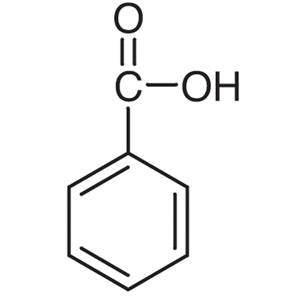
1-Naphthaleneacetic Acid (NAA) is a chemical compound widely used in organic chemistry and biotechnology laboratories. As a plant growth regulator, NAA plays a crucial role in controlling root and leaf development in plants. Its versatility makes it a valuable tool for researchers studying plant physiology and environmental influences on plant metabolism. NAA is often employed in experiments aimed at understanding growth mechanisms and developing sustainable agricultural practices.
The chemical properties of NAA, including its stable molecular structure and reactivity under specific conditions, make it a preferred choice for synthetic applications. Its simple yet flexible chemical nature allows it to serve as a building block in the synthesis of more complex compounds. The high purity and consistent quality of NAA ensure reliable results in laboratory experiments, making it a trusted material for scientific research.
In Indonesian laboratories, NAA is commonly used in agricultural, biotechnological, and organic chemistry research. Its availability locally supports efficient and accurate experimentation. The compound’s relevance to plant growth studies aligns with ongoing efforts to enhance agricultural productivity through scientific innovation. Researchers rely on NAA to explore growth regulation and develop advanced farming techniques.
TCI brochures (PDF)
- Synthetic Auxin and Selective Binding to Modified Receptor 2025-05-26 · p. 2
- Plant Hormones 2025-01-30 · p. 1
- Agrochemical Ingredients for Research and Experimental Use 2026-01-08 · p. 7
- Plant Research Reagents 2026-02-24 · p. 13
- Reagents for Biological Research 2025-03-11 · p. 55
Related TCI products
- Plant Growth Regulation Studies: NAA is used to investigate how external factors influence plant growth and development, providing insights into biological mechanisms.
- Agricultural Research: It supports experiments aimed at improving crop yield and resilience, contributing to sustainable farming practices.
- Organic Chemistry Synthesis: NAA serves as a building block for synthesizing complex organic compounds, facilitating chemical innovation.
- Environmental Impact Analysis: Researchers use NAA to study how environmental changes affect plant metabolism and growth patterns.
- Biotechnological Applications: It is employed in biotechnology to develop new methods for plant tissue culture and genetic modification.
From the TCI brochure
- Comparison baseline against cvxIAA responses in Arabidopsis thaliana seedlings (wild type and transformants expressing concave receptors)
| Brand | TCI |
|---|---|
| CAS number | 86-87-3 |
| Molecular formula | — |
| Purity | — |
| Category | Chemistry > Building Blocks > Non-Heterocyclic Building Blocks |
| Pack sizes | Available in various quantities as per supplier specifications |
| Physical form | Solid |
| Storage | Store in a cool, dry place away from direct sunlight |
NAA should be stored in a cool, dry environment to maintain its stability and prevent degradation. It is recommended to keep the compound in a tightly sealed container to avoid moisture exposure. Due to its chemical nature, it should be handled in a well-ventilated area, and appropriate personal protective equipment should be worn. Avoid contact with incompatible substances to ensure safety. Regular inspection of storage conditions is advised to maintain product integrity. Proper labeling and storage practices help ensure the material remains suitable for laboratory use.
—
Produk Terkait
-
2-NaphthaleneaceticAcid TCI N0352
Regular price From Rp 1.298.850,00Regular price -
7-Methoxy-1-naphthaleneaceticAcid TCI M2888
Regular price From Rp 689.850,00Regular price -
Methyl1-Naphthaleneacetate TCI N0570
Regular price Rp 1.829.100,00Regular price -
Ethyl1-Naphthaleneacetate TCI N0554
Regular price Rp 2.757.300,00Regular price -
Sodium1-Naphthaleneacetate TCI N0007
Regular price From Rp 1.220.100,00Regular price -
Potassium1-Naphthaleneacetate TCI N0006
Regular price Rp 2.306.850,00Regular price -
4-BromophenoxyaceticAcid TCI B2746
Regular price From Rp 637.350,00Regular price -
BenzoicAcid TCI B2635
Regular price From Rp 505.050,00Regular price