4-Nitrobenzoic Acid is a chemical compound widely used in laboratory settings for various chemical reactions aimed at the synthesis of complex compounds. As a derivative of benzoic acid, it serves as a fundamental building block in organic chemistry, enabling the creation of a wide range of functional molecules. Its presence in chemical laboratories is essential for the production of other organic substances, making it a versatile reagent in synthetic processes. This compound is particularly valued for its stability and reactivity, which are key factors in its application across different research areas.
The chemical properties of 4-Nitrobenzoic Acid, such as its solubility in organic solvents and its ability to participate in electrophilic substitution reactions, make it a preferred choice for chemists. These characteristics allow it to be an effective participant in reactions that require substitution at aromatic positions. Its stability also ensures that it can be stored for extended periods without significant degradation, which is crucial for maintaining the integrity of experimental results. This reliability and chemical versatility make it a go-to reagent for many synthetic and analytical applications.
In Indonesian laboratories, 4-Nitrobenzoic Acid is commonly used in chemical research, especially in the fields of organic synthesis and chemical analysis. It is frequently found in studies related to drug development, chemical materials, and industrial processes. Its availability and reliability make it a standard component in many research protocols, supporting both academic and industrial chemical investigations.
- Organic Synthesis: 4-Nitrobenzoic Acid is ideal for organic synthesis due to its reactivity and ability to participate in electrophilic substitution reactions, making it suitable for creating complex molecular structures.
- Drug Development: Its role in synthesizing compounds with biological activity makes it a valuable reagent in pharmaceutical research and drug development.
- Chemical Analysis: The compound is used in analytical chemistry for its solubility in organic solvents and its ability to form stable derivatives, aiding in qualitative and quantitative analysis.
- Material Science: It is utilized in the development of new chemical materials due to its structural stability and reactivity, supporting the creation of advanced functional materials.
- Industrial Processes: Its chemical versatility makes it applicable in various industrial chemical processes, contributing to the production of specialty chemicals and intermediates.
| Brand | TCI |
|---|---|
| CAS number | 62-23-7 |
| Molecular formula | — |
| Purity | — |
| Category | Chemistry > Building Blocks > Non-Heterocyclic Building Blocks |
| Pack sizes | Available in various quantities as per standard laboratory requirements |
| Physical form | Solid |
| Storage | Store in a cool, dry place away from direct sunlight and moisture |
4-Nitrobenzoic Acid should be stored in a cool, dry place, away from direct sunlight and moisture to maintain its chemical stability. It is recommended to keep it in a sealed container made of glass or high-density polyethylene to prevent contamination and degradation. Due to its chemical nature, it should be handled with appropriate personal protective equipment, such as gloves and safety goggles, to ensure laboratory safety. Avoid exposure to incompatible materials, such as strong bases or reducing agents, to prevent unwanted reactions. Proper storage and handling practices are essential to ensure the compound remains effective and safe for use in laboratory applications.
—
Produk Terkait
-
TCI B5774 5,10-Bis(4,4,5,5-tetramethyl-1,3,2-dioxaborolan-2-yl)naphtho[1,2-c:5,6-c']bis([1,2,5]oxadiazole)
Regular price Rp 10.255.350,00Regular price -
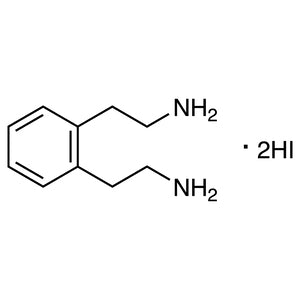
Dihydroiodide TCI B6569
Regular price From Rp 1.936.200,00Regular price -
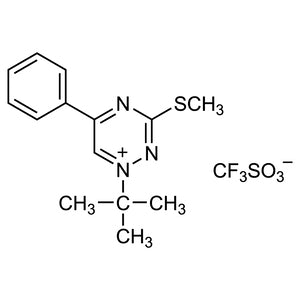
Trifluoromethanesulfonate TCI B7003
Regular price From Rp 1.936.200,00Regular price
![5,10-Bis(4,4,5,5-tetramethyl-1,3,2-dioxaborolan-2-yl)naphtho[1,2-c:5,6-c']bis([1,2,5]oxadiazole) - TCI B5774 - AMI Scientific](http://amiscientific.com/cdn/shop/files/TCI2510B5774.jpg?v=1769180228&width=533)