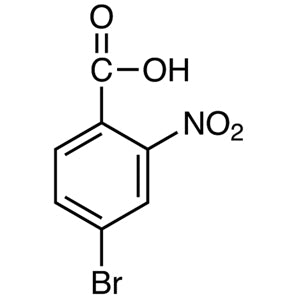
4-Bromo-3-nitrobenzoic Acid is a versatile organic compound widely used in laboratory settings for a variety of chemical reactions. It serves as a key building block in synthetic chemistry, particularly in the development of complex molecules. Its unique molecular structure, featuring bromo, nitro, and carboxylic acid functional groups, makes it an essential reagent for organic synthesis. This compound is frequently employed in research to create derivatives with specific biological activities, contributing to advancements in pharmaceutical and chemical sciences.
The compound's stability and predictable reactivity make it a preferred choice for researchers. It dissolves well in organic solvents such as ethyl acetate and acetone, facilitating ease of use in various experimental procedures. Its chemical properties allow for precise control during reactions, which is crucial in laboratory settings where accuracy is paramount. The ability to modify its structure through chemical reactions further enhances its utility in the development of new compounds.
In Indonesian laboratories, 4-Bromo-3-nitrobenzoic Acid is commonly used in organic chemistry research. It plays a significant role in the synthesis of new compounds with potential therapeutic applications. Research institutions and universities in Indonesia rely on this compound for experiments aimed at drug discovery and chemical innovation. Its availability and reliability make it a staple in many laboratory workflows.
Related TCI products
- Organic synthesis is a primary application where this compound serves as a key intermediate in the creation of complex molecules with desired biological properties.
- Pharmaceutical research benefits from its use in the development of new drugs, as it can be modified to produce compounds with specific therapeutic effects.
- Analytical chemistry applications involve its use as a standard or reagent in qualitative and quantitative analysis due to its well-defined chemical properties.
- Educational institutions utilize it in teaching organic chemistry principles, allowing students to practice synthetic techniques and reaction mechanisms.
- Industrial research and development projects incorporate it to explore new chemical pathways and improve existing synthetic methods.
| Brand | TCI |
|---|---|
| CAS number | 6319-40-0 |
| Molecular formula | — |
| Purity | — |
| Category | Chemistry > Building Blocks > Non-Heterocyclic Building Blocks |
| Pack sizes | Available in various quantities as per supplier specifications |
| Physical form | Solid |
| Storage | Store in a cool, dry place away from direct sunlight |
This compound should be stored in a cool, dry environment to maintain its chemical integrity. It is recommended to keep it in a sealed container to prevent moisture absorption and contamination. Due to its chemical reactivity, it should be handled with appropriate personal protective equipment such as gloves and safety goggles. Avoid exposure to heat or direct sunlight to prevent degradation. Proper ventilation is necessary when working with this material to ensure a safe laboratory environment. Always follow standard laboratory safety protocols when handling and storing chemical substances.
—
Produk Terkait
-
3-Bromo-4-nitrobenzoicAcid TCI B4786
Regular price From Rp 1.670.550,00Regular priceRp 1.183.350,00Sale price From Rp 1.670.550,00 -
2-Bromo-5-nitrobenzoicAcid TCI B3841
Regular price From Rp 1.618.050,00Regular priceRp 1.146.600,00Sale price From Rp 1.618.050,00 -
4-Bromo-2-nitrobenzoicAcid TCI B3810
Regular price From Rp 1.351.350,00Regular priceRp 960.750,00Sale price From Rp 1.351.350,00 -
2-Bromo-4-nitrobenzoicAcid TCI B3607
Regular price From Rp 955.500,00Regular priceRp 683.550,00Sale price From Rp 955.500,00 -
3-Bromo-5-nitrobenzoicAcid TCI B3370
Regular price From Rp 1.008.000,00Regular priceRp 720.300,00Sale price From Rp 1.008.000,00 -
2-Bromo-3-nitrobenzoicAcid TCI B3322
Regular price From Rp 3.870.300,00Regular priceRp 2.721.600,00Sale price From Rp 3.870.300,00 -
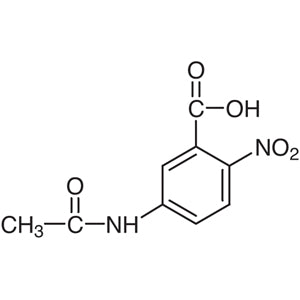
5-Acetamido-2-nitrobenzoicAcid TCI A2156
Regular price Rp 4.611.600,00Regular priceRp 3.240.300,00Sale price Rp 4.611.600,00 -
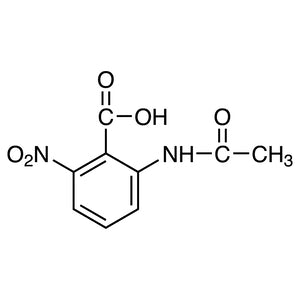
2-Acetamido-6-nitrobenzoicAcid TCI A1841
Regular price From Rp 822.150,00Regular priceRp 590.100,00Sale price From Rp 822.150,00