2-Acetamido-6-nitrobenzoic Acid is a chemical compound widely used in organic synthesis reactions within laboratory settings. It serves as a fundamental building block, enabling the creation of more complex molecular structures through substitution or other chemical reactions. This compound is essential for researchers aiming to develop new compounds in various fields such as pharmaceuticals, agrochemicals, and industrial chemicals. Its versatility makes it a valuable resource for both academic and industrial laboratories.
The compound’s stable chemical structure and controlled reactivity make it a preferred choice for synthetic chemists. It contains functional groups that can react with a variety of reagents, including amines, acids, and oxidizing agents. This reactivity allows for the synthesis of heterocyclic compounds and complex molecules, which are crucial in drug development and material science. Its predictable behavior under different reaction conditions enhances its utility in laboratory experiments.
In Indonesian laboratories, 2-Acetamido-6-nitrobenzoic Acid is commonly used in organic chemistry research, particularly in higher education institutions and research centers. It supports studies in pharmacology, chemical materials, and analytical chemistry. Its availability ensures that researchers can conduct experiments efficiently and meet their scientific objectives. The compound plays a key role in advancing chemical research in the region.
Related TCI products
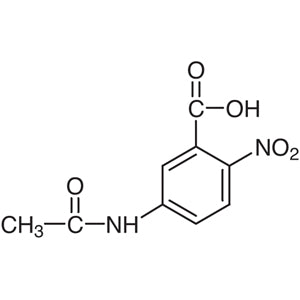
- TCI A2156 4368-83-6 5-Acetamido-2-nitrobenzoic Acid
- TCI A0073 588-23-8 4-Acetamido-2',3-dimethylazobenzene
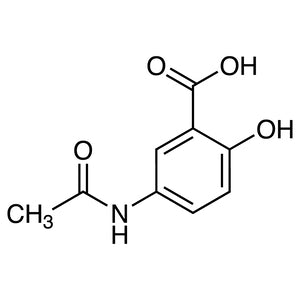
- TCI A3540 51-59-2 5-Acetamido-2-hydroxybenzoic Acid
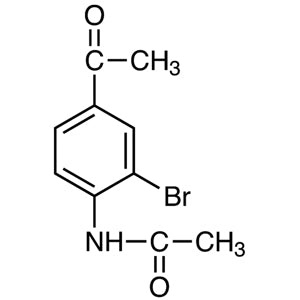
- TCI A2852 101209-08-9 4'-Acetamido-3'-bromoacetophenone
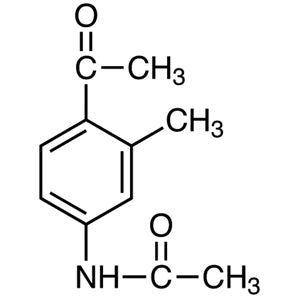
- TCI A2767 34956-31-5 4'-Acetamido-2'-methylacetophenone
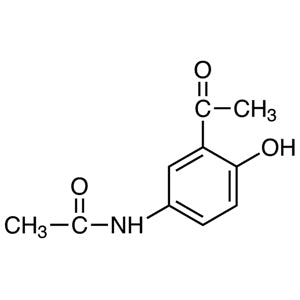
- TCI A2698 7298-67-1 5'-Acetamido-2'-hydroxyacetophenone
- Organic synthesis is a key application where this compound is used to build complex molecular structures through substitution reactions.
- Pharmaceutical research benefits from its role in the synthesis of drug molecules and active pharmaceutical ingredients.
- Agrochemical development utilizes this compound to create pesticides and herbicides with specific molecular structures.
- Material science research employs it to design new chemical materials with desired properties and functionalities.
- Analytical chemistry applications use it as a reference standard for qualitative and quantitative analysis in chemical testing.
| Brand | TCI |
|---|---|
| CAS number | 73721-78-5 |
| Molecular formula | — |
| Purity | — |
| Category | Chemistry > Building Blocks > Non-Heterocyclic Building Blocks |
| Pack sizes | Available in various quantities as per standard laboratory supply sizes |
| Physical form | Solid powder |
| Storage | Store in a cool, dry place away from direct sunlight and moisture |
This compound should be stored in a cool, dry environment to maintain its chemical stability. It is recommended to keep it in a sealed container to prevent exposure to moisture and air. Due to its reactivity, it should be handled in a well-ventilated area to minimize inhalation risks. Avoid contact with skin and eyes, and use appropriate personal protective equipment when handling. It is important to store it away from incompatible substances such as strong oxidizers or acids. Proper storage ensures the compound remains effective and safe for use in laboratory applications.
—
Produk Terkait
-
5-Acetamido-2-nitrobenzoicAcid TCI A2156
Regular price Rp 4.611.600,00Regular priceRp 3.240.300,00Sale price Rp 4.611.600,00 -
4-Acetamido-2',3-dimethylazobenzene TCI A0073
Regular price Rp 2.625.000,00Regular priceRp 1.835.400,00Sale price Rp 2.625.000,00 -
5-Acetamido-2-hydroxybenzoicAcid TCI A3540
Regular price Rp 4.611.600,00Regular priceRp 3.240.300,00Sale price Rp 4.611.600,00 -
4'-Acetamido-3'-bromoacetophenone TCI A2852
Regular price Rp 1.220.100,00Regular priceRp 868.350,00Sale price Rp 1.220.100,00 -
4'-Acetamido-2'-methylacetophenone TCI A2767
Regular price From Rp 1.192.800,00Regular priceRp 849.450,00Sale price From Rp 1.192.800,00 -
5'-Acetamido-2'-hydroxyacetophenone TCI A2698
Regular price From Rp 742.350,00Regular priceRp 534.450,00Sale price From Rp 742.350,00 -
5-Acetamido-N,N'-bis(2,3-dihydroxypropyl)-2,4,6-triiodoisophthalamide TCI A2169
Regular price Rp 7.526.400,00Regular priceRp 5.278.350,00Sale price Rp 7.526.400,00 -
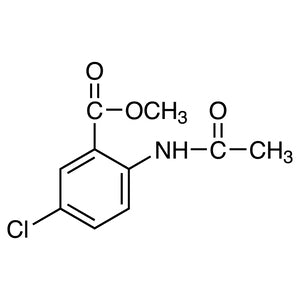
Methyl2-Acetamido-5-chlorobenzoate TCI A1609
Regular price Rp 822.150,00Regular priceRp 590.100,00Sale price Rp 822.150,00