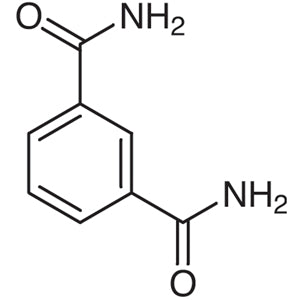
5-Acetamido-N,N'-bis(2,3-dihydroxypropyl)-2,4,6-triiodoisophthalamide is a complex organic compound widely used in chemical synthesis within laboratory settings. It serves as a building block for the development of various organic molecules, particularly those with specific biological activities. Its unique molecular structure, featuring iodine atoms on the isophthalate ring and an amide group at the molecular end, makes it highly versatile in chemical reactions. This compound is essential for researchers aiming to design and synthesize compounds with precise functional groups and reactivity.
The compound's chemical properties, including its reactivity and ability to participate in substitution and condensation reactions, make it a preferred choice in organic chemistry. Its stability under certain conditions allows for reliable handling and storage, which is crucial for maintaining the integrity of synthesized products. The specificity of its molecular structure enables it to interact with a variety of functional groups, making it an important tool in synthetic chemistry. This makes it ideal for applications requiring accuracy and precision in chemical synthesis.
In Indonesian laboratories, this compound is commonly used in organic chemistry research at universities and research institutions. It plays a key role in the development of new compounds with potential pharmaceutical or industrial applications. Its availability and chemical properties make it a valuable resource for scientists working on complex synthetic pathways and functional group modifications.
Related TCI products
- TCI H0541 62012-15-1 1-(3-Hydroxypropyl)-2-pyrrolidone
- TCI A1951 203515-86-0 5-Amino-N,N'-bis(2,3-dihydroxypropyl)isophthalamide Hydrochloride
- TCI P0283 88-96-0 Phthalamide
- TCI I0152 1740-57-4 Isophthalamide
- TCI C2105 13159-52-9 3-Chloro-2-hydroxypropyl Methacrylate (stabilized with HQ)
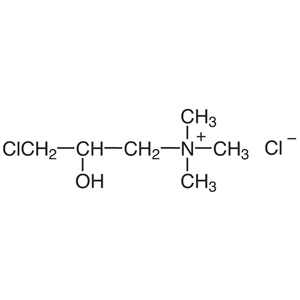
- TCI C1180 3327-22-8 (3-Chloro-2-hydroxypropyl)trimethylammonium Chloride (ca. 65% in Water)
- Organic synthesis applications benefit from this compound’s reactivity and ability to form complex molecular structures through substitution and condensation reactions.
- It is ideal for functional group modification in the development of bioactive molecules due to its amide and hydroxyl groups.
- The compound supports the creation of pharmaceutical intermediates through its iodine-containing isophthalate ring, which enhances reactivity in synthetic pathways.
- It is used in research involving advanced chemical reactions that require precise control over molecular structure and reactivity.
- Indonesian research institutions use it for the synthesis of compounds with specific biological properties, supporting drug discovery and development efforts.
| Brand | TCI |
|---|---|
| CAS number | 31127-80-7 |
| Molecular formula | — |
| Purity | — |
| Category | Chemistry > Building Blocks > Non-Heterocyclic Building Blocks |
| Pack sizes | Available in standard laboratory quantities as per supplier specifications |
| Physical form | Solid, crystalline powder |
| Storage | Store in a cool, dry place away from light and moisture |
This compound should be stored in a cool, dry environment, away from direct light and moisture to maintain its chemical stability. It is recommended to use airtight containers to prevent exposure to humidity and contaminants. Due to its reactivity, it should be handled with care, using appropriate personal protective equipment such as gloves and safety goggles. In laboratory settings, it should be stored separately from incompatible substances to avoid any potential chemical interactions. Proper labeling and storage conditions are essential to ensure the safety of laboratory personnel and the integrity of the compound.
—
Product Categories
- Building BlocksNon-Heterocyclic Building BlocksCarbonyl Compounds [Non-Heterocyclic Building Blocks]
- Building BlocksNon-Heterocyclic Building BlocksOxygen Compounds [Non-Heterocyclic Building Blocks]
- Pharmaceutical Development and Drug Discovery Research ReagentsBuilding Blocks for Pharmaceutical Ingredients (for Research and Experimental Use)
Produk Terkait
-
1-(3-Hydroxypropyl)-2-pyrrolidone TCI H0541
Regular price From Rp 2.889.600,00Regular priceRp 2.035.950,00Sale price From Rp 2.889.600,00 -
5-Amino-N,N'-bis(2,3-dihydroxypropyl)isophthalamideHydrochloride TCI A1951
Regular price Rp 2.332.050,00Regular priceRp 1.646.400,00Sale price Rp 2.332.050,00 -
Phthalamide TCI P0283
Regular price From Rp 900.900,00Regular priceRp 645.750,00Sale price From Rp 900.900,00 -
Isophthalamide TCI I0152
Regular price Rp 2.041.200,00Regular priceRp 1.442.700,00Sale price Rp 2.041.200,00 -
3-Chloro-2-hydroxypropylMethacrylate(stabilizedwithHQ) TCI C2105
Regular price From Rp 584.850,00Regular priceRp 408.450,00Sale price From Rp 584.850,00 -
(3-Chloro-2-hydroxypropyl)trimethylammoniumChloride(ca.65%inWater) TCI C1180
Regular price From Rp 637.350,00Regular priceRp 460.950,00Sale price From Rp 637.350,00 -
5-IodoisophthalicAcid TCI I1308
Regular price Rp 3.843.000,00Regular priceRp 2.686.950,00Sale price Rp 3.843.000,00 -
2-IodoisophthalicAcid TCI I0883
Regular price Rp 5.857.950,00Regular priceRp 4.096.050,00Sale price Rp 5.857.950,00