5-Acetamido-2-nitrobenzoic Acid is a chemical compound widely used in organic synthesis reactions. It serves as a fundamental building block in the creation of complex molecules with applications in pharmaceuticals, materials science, and chemical analysis. This compound plays a crucial role in substitution and coupling reactions, contributing to the development of new compounds and functional materials. Its chemical structure provides stability and controlled reactivity, making it a reliable choice for researchers in various scientific fields.
The compound’s unique molecular structure, featuring both a nitro group and an acetamido group, allows it to interact effectively with a range of reagents and reaction conditions. These functional groups contribute to its reactivity and versatility, enabling it to participate in diverse chemical transformations. Its predictable behavior under different experimental conditions ensures consistent results, which is essential for reproducibility in laboratory settings.
In Indonesian laboratories, 5-Acetamido-2-nitrobenzoic Acid is commonly used in organic chemistry and pharmacological research. It is a key reagent in the synthesis of pharmaceutical intermediates and is frequently employed in academic and industrial research settings. Due to its availability and reliability, it is a preferred choice for scientists working on drug development and material synthesis projects.
Related TCI products
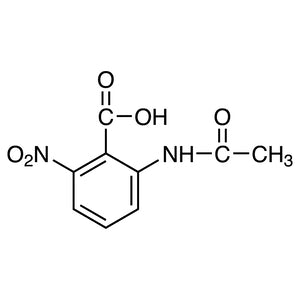
- TCI A1841 73721-78-5 2-Acetamido-6-nitrobenzoic Acid
- TCI A0073 588-23-8 4-Acetamido-2',3-dimethylazobenzene
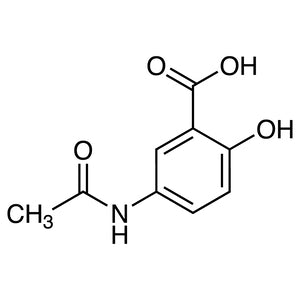
- TCI A3540 51-59-2 5-Acetamido-2-hydroxybenzoic Acid
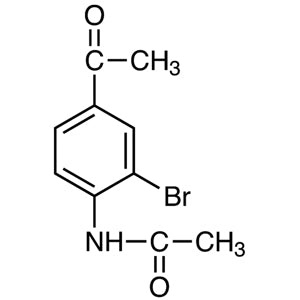
- TCI A2852 101209-08-9 4'-Acetamido-3'-bromoacetophenone
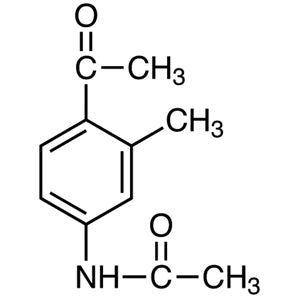
- TCI A2767 34956-31-5 4'-Acetamido-2'-methylacetophenone
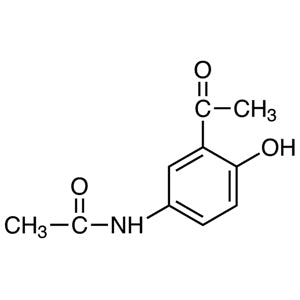
- TCI A2698 7298-67-1 5'-Acetamido-2'-hydroxyacetophenone
- Organic synthesis is a key application where this compound is used to create complex molecules with pharmaceutical and industrial relevance.
- Pharmaceutical research benefits from its role in the development of new drug compounds and intermediate molecules.
- Material science applications include the synthesis of functional polymers and chemical derivatives with specific properties.
- Analytical chemistry uses it as a standard for qualitative and quantitative analysis in various chemical processes.
- Academic research in chemistry and pharmacology relies on its stability and reactivity for experimental reproducibility.
| Brand | TCI |
|---|---|
| CAS number | 4368-83-6 |
| Molecular formula | — |
| Purity | — |
| Category | Chemistry > Building Blocks > Non-Heterocyclic Building Blocks |
| Pack sizes | Available in standard laboratory quantities |
| Physical form | Solid |
| Storage | Store in a cool, dry place away from direct sunlight |
This compound should be stored in a cool, dry environment to maintain its chemical integrity and prevent degradation. It is recommended to use airtight containers to minimize exposure to moisture and air, which could affect its stability. Due to its chemical nature, it should be handled in a well-ventilated area, and appropriate personal protective equipment should be worn when working with it. Avoid contact with incompatible substances to ensure safety in the laboratory. Regular monitoring of storage conditions is advised to ensure optimal performance and safety during use.
—
Produk Terkait
-
2-Acetamido-6-nitrobenzoicAcid TCI A1841
Regular price From Rp 822.150,00Regular priceRp 590.100,00Sale price From Rp 822.150,00 -
4-Acetamido-2',3-dimethylazobenzene TCI A0073
Regular price Rp 2.625.000,00Regular priceRp 1.835.400,00Sale price Rp 2.625.000,00 -
5-Acetamido-2-hydroxybenzoicAcid TCI A3540
Regular price Rp 4.611.600,00Regular priceRp 3.240.300,00Sale price Rp 4.611.600,00 -
4'-Acetamido-3'-bromoacetophenone TCI A2852
Regular price Rp 1.220.100,00Regular priceRp 868.350,00Sale price Rp 1.220.100,00 -
4'-Acetamido-2'-methylacetophenone TCI A2767
Regular price From Rp 1.192.800,00Regular priceRp 849.450,00Sale price From Rp 1.192.800,00 -
5'-Acetamido-2'-hydroxyacetophenone TCI A2698
Regular price From Rp 742.350,00Regular priceRp 534.450,00Sale price From Rp 742.350,00 -
5-Acetamido-N,N'-bis(2,3-dihydroxypropyl)-2,4,6-triiodoisophthalamide TCI A2169
Regular price Rp 7.526.400,00Regular priceRp 5.278.350,00Sale price Rp 7.526.400,00 -
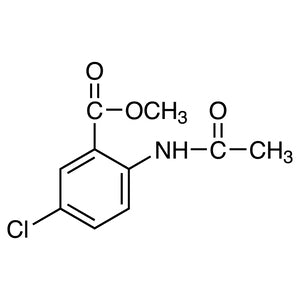
Methyl2-Acetamido-5-chlorobenzoate TCI A1609
Regular price Rp 822.150,00Regular priceRp 590.100,00Sale price Rp 822.150,00