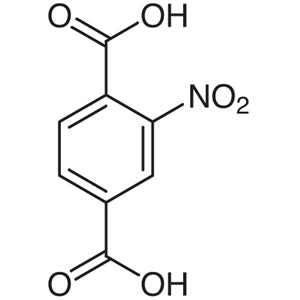
Nitroterephthalic Acid (NTPA), with the CAS number 610-29-7, is a chemical compound widely used in laboratory settings for the synthesis of complex molecules. As a building block in organic chemistry, it plays a crucial role in the development of new chemical compounds and materials. Its structural features make it a versatile reagent for various chemical transformations, particularly in substitution and coupling reactions. This compound is essential for researchers aiming to manipulate molecular structures with precision and control.
Nitroterephthalic Acid is valued for its chemical stability and controlled reactivity, which make it a preferred choice in laboratory applications. The presence of two nitro groups and two carboxylic acid groups contributes to its unique reactivity and ability to form bonds with a variety of other compounds. These properties allow it to be used in the synthesis of high-reactivity organic compounds that require specific stability characteristics. Its predictable behavior under different reaction conditions enhances its reliability in both academic and industrial research environments.
In Indonesian laboratories, Nitroterephthalic Acid is commonly used in chemical research, especially in the field of organic synthesis and the development of new chemical materials. It is a key component in studies focused on molecular structure and reactivity. Its availability and reliability make it an important resource for educational institutions and research organizations in Indonesia. The compound supports the advancement of chemical science by enabling precise and reproducible experimental outcomes.
TCI brochures (PDF)
- Organic Linker Molecules for Metal Organic Frameworks (MOFs) 2026-05-11 · p. 3
Related TCI products
- Organic synthesis is a primary application where Nitroterephthalic Acid is used to construct complex molecular structures through substitution and coupling reactions.
- Material development benefits from the compound’s reactivity and stability, making it suitable for creating new chemical materials with specific properties.
- Academic research relies on Nitroterephthalic Acid for studying molecular reactivity and structural modifications in chemical compounds.
- Industrial chemical processes utilize this compound due to its controlled reactivity and ability to participate in various chemical transformations.
- Analytical chemistry applications leverage Nitroterephthalic Acid’s unique functional groups for spectral analysis and compound identification.
| Brand | TCI |
|---|---|
| CAS number | 610-29-7 |
| Molecular formula | — |
| Purity | — |
| Category | Chemistry > Building Blocks > Non-Heterocyclic Building Blocks |
| Pack sizes | Available in various quantities as per standard laboratory supply formats |
| Physical form | Solid, typically in crystalline or powder form |
| Storage | Store in a cool, dry place away from direct sunlight and moisture |
Nitroterephthalic Acid should be stored in a cool, dry environment to maintain its chemical stability and prevent degradation. It is recommended to keep the compound in airtight containers to avoid exposure to moisture and air, which could affect its reactivity. Laboratory personnel should handle the material with care, using appropriate personal protective equipment such as gloves and safety goggles. Due to its chemical nature, it is important to ensure proper ventilation in the workspace to minimize inhalation risks. The compound should not be stored near incompatible substances to prevent potential chemical interactions. Regular inspection of storage conditions is advised to ensure the integrity of the material remains intact for use in research applications.
—
Product Categories
- Organic-Inorganic Hybrid MaterialsMetal Organic Frameworks (MOF) and Their Raw MaterialsOrganic Linker Molecules [Metal Organic Frameworks (MOFs) Precursors]
- Polymer/Macromolecule ReagentsMetal Organic Frameworks (MOF) and Their Raw MaterialsOrganic Linker Molecules [Metal Organic Frameworks (MOFs) Precursors]
Produk Terkait
-
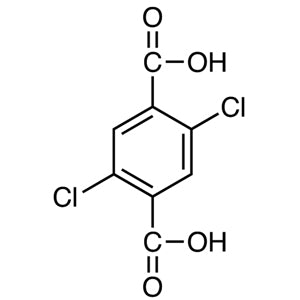
2,5-DichloroterephthalicAcid TCI D1698
Regular price From Rp 769.650,00Regular priceRp 537.600,00Sale price From Rp 769.650,00 -
2,3,5,6-TetrachloroterephthalicAcid TCI C3862
Regular price From Rp 2.571.450,00Regular priceRp 1.797.600,00Sale price From Rp 2.571.450,00 -
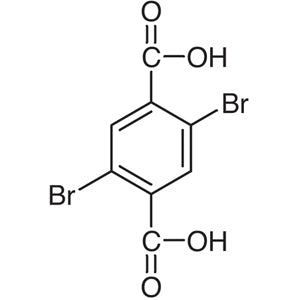
2,5-DibromoterephthalicAcid TCI D3994
Regular price From Rp 2.359.350,00Regular priceRp 1.649.550,00Sale price From Rp 2.359.350,00 -
TerephthalicAcid TCI T0166
Regular price From Rp 452.550,00Regular priceRp 316.050,00Sale price From Rp 452.550,00 -
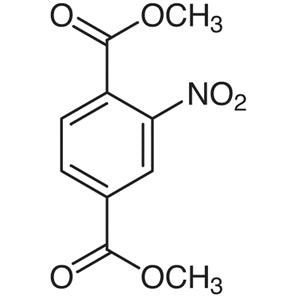
DimethylNitroterephthalate TCI N0501
Regular price From Rp 477.750,00Regular priceRp 333.900,00Sale price From Rp 477.750,00 -
TetrafluoroterephthalicAcid TCI T0930
Regular price From Rp 980.700,00Regular priceRp 685.650,00Sale price From Rp 980.700,00 -
2-ChloroterephthalicAcid TCI C3875
Regular price Rp 2.174.550,00Regular priceRp 1.520.400,00Sale price Rp 2.174.550,00 -
AcetylenedicarboxylicAcid TCI A0088
Regular price From Rp 1.220.100,00Regular priceRp 868.350,00Sale price From Rp 1.220.100,00