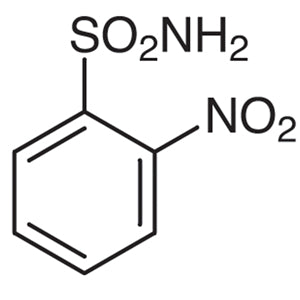
2-Nitrobenzenesulfonamide (TCI N0705) is a chemical compound widely used as a building block in the synthesis of complex molecules. It serves as a key intermediate in various chemical reactions, particularly those involving substitution and electrophilic mechanisms. In laboratory settings, this compound plays a crucial role in constructing specific molecular structures, especially in the synthesis of heterocyclic compounds and other organic substances. Its versatility makes it an essential tool for chemists working on synthetic pathways and molecular design.
The compound's stability and reactivity make it a preferred choice in chemical research. Its unique chemical structure, featuring both a nitro group and a sulfonamide group, provides high reactivity and polarity. These characteristics enable it to participate effectively in a wide range of chemical transformations, including nucleophilic and electrophilic reactions. The compound's solubility in organic solvents further enhances its utility, allowing for efficient separation and reaction processes in laboratory settings.
In Indonesian laboratories, 2-Nitrobenzenesulfonamide is extensively used in organic synthesis and chemical analysis. Its availability and consistent quality make it a go-to material for researchers and students engaged in synthetic chemistry. Its role in creating complex molecular structures supports both academic and industrial research efforts, contributing to the advancement of chemical science in the region.
Related TCI products
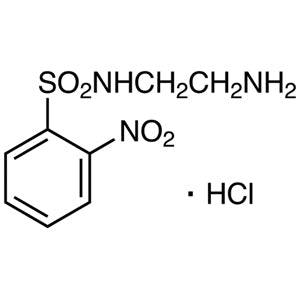
- TCI A2329 92504-03-5 N-(2-Aminoethyl)-2-nitrobenzenesulfonamide Hydrochloride
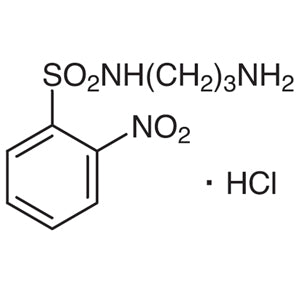
- TCI A2268 863983-46-4 N-(3-Aminopropyl)-2-nitrobenzenesulfonamide Hydrochloride
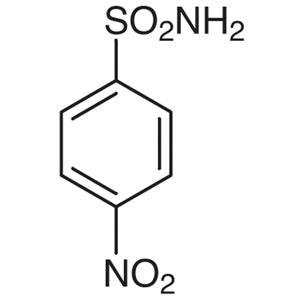
- TCI N0697 6325-93-5 4-Nitrobenzenesulfonamide
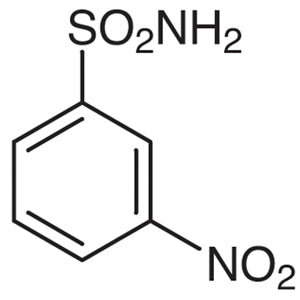
- TCI N0696 121-52-8 3-Nitrobenzenesulfonamide
- TCI T3112 433695-36-4 N,N,2-Trimethyl-5-nitrobenzenesulfonamide
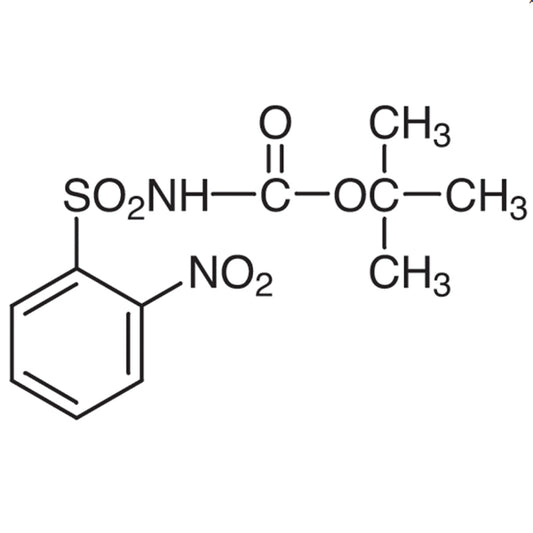
- TCI B2303 198572-71-3 N-(tert-Butoxycarbonyl)-2-nitrobenzenesulfonamide
- Organic synthesis where the compound serves as a versatile intermediate for constructing complex molecular frameworks.
- Electrophilic substitution reactions due to its reactive nitro and sulfonamide groups that facilitate chemical transformations.
- Heterocyclic compound synthesis as it provides a stable platform for ring formation and functional group modification.
- Analytical chemistry applications where its solubility and reactivity aid in the detection and quantification of target compounds.
- Teaching and research laboratories where it is used to demonstrate fundamental chemical reactions and synthetic methodologies.
| Brand | TCI |
|---|---|
| CAS number | 5455-59-4 |
| Molecular formula | — |
| Purity | — |
| Category | Chemistry > Building Blocks > Non-Heterocyclic Building Blocks |
| Pack sizes | Available in standard laboratory quantities as per supplier specifications |
| Physical form | Solid, typically in crystalline or powder form |
| Storage | Store in a cool, dry place away from direct sunlight and moisture |
2-Nitrobenzenesulfonamide should be stored in a cool, dry environment to maintain its chemical integrity. It is recommended to keep the compound in airtight containers to prevent exposure to moisture and air, which could affect its stability. Due to its reactivity, it should be handled with care, using appropriate personal protective equipment such as gloves and safety goggles. It is advisable to store it in a well-ventilated area to minimize any potential hazards. The compound is generally non-hazardous under normal storage conditions but should be kept away from incompatible substances to ensure safe laboratory practices.
—
Produk Terkait
-
N-(2-Aminoethyl)-2-nitrobenzenesulfonamideHydrochloride TCI A2329
Regular price Rp 3.763.200,00Regular price -
N-(3-Aminopropyl)-2-nitrobenzenesulfonamideHydrochloride TCI A2268
Regular price From Rp 3.260.250,00Regular price -
4-Nitrobenzenesulfonamide TCI N0697
Regular price From Rp 1.670.550,00Regular price -
3-Nitrobenzenesulfonamide TCI N0696
Regular price From Rp 769.650,00Regular price -
N,N,2-Trimethyl-5-nitrobenzenesulfonamide TCI T3112
Regular price From Rp 2.571.450,00Regular price -
N-(tert-Butoxycarbonyl)-2-nitrobenzenesulfonamide TCI B2303
Regular price From Rp 1.353.450,00Regular price -
4-Fluoro-3-nitrobenzenesulfonamide TCI F1172
Regular price From Rp 2.518.950,00Regular price -
N-Benzyloxycarbonyl-2-nitrobenzenesulfonamide TCI C1757
Regular price From Rp 2.677.500,00Regular price