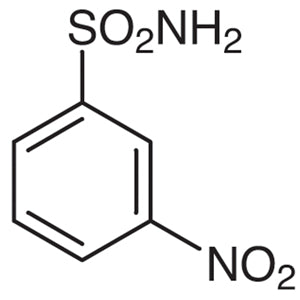
N-(tert-Butoxycarbonyl)-2-nitrobenzenesulfonamide is a synthetic reagent widely used in organic chemistry laboratories. This compound plays a crucial role in the formation of C-X bonds, specifically in non-halogen reactions, making it an essential tool for synthetic chemists. Its unique molecular structure allows it to participate in various chemical reactions, including substitution and electrophilic activation processes. As a versatile reagent, it is frequently employed in the synthesis of complex organic molecules, contributing to the development of new compounds and modifications of existing ones.
The compound is known for its chemical stability and predictable reactivity, which make it a preferred choice for laboratory use. Its ability to undergo controlled chemical transformations under specific conditions ensures reliable results in synthetic processes. Additionally, its compatibility with a range of reaction conditions and solvents enhances its utility in diverse chemical applications. These properties make it a reliable and efficient reagent for both academic and industrial research settings.
In Indonesian laboratories, N-(tert-Butoxycarbonyl)-2-nitrobenzenesulfonamide is commonly used in organic synthesis research. It is particularly relevant for chemists working in pharmaceutical and material science fields. Its application supports the development of new compounds and the optimization of existing chemical processes. Due to its stability and reactivity, it is a valuable resource for researchers aiming to advance their work in synthetic chemistry.
Advantages (TCI brochure)
- o-Nitrobenzenesulfonyl (Ns) protected sulfonamide for amine synthesis
- Protected amines formed with alkyl halides under basic conditions or with alcohols under Mitsunobu conditions
- Each protecting group can be selectively removed
TCI brochures (PDF)
- Sulfonylation Reagents 2023-01-20 · p. 2
- C-N Bond Formation Reactions 2025-08-07 · p. 2
- Polyamines 2025-10-21 · p. 4
Related TCI products
- TCI C1757 245365-64-4 N-Benzyloxycarbonyl-2-nitrobenzenesulfonamide
- TCI B1648 18303-04-3 N-(tert-Butoxycarbonyl)-p-toluenesulfonamide
- TCI T3112 433695-36-4 N,N,2-Trimethyl-5-nitrobenzenesulfonamide
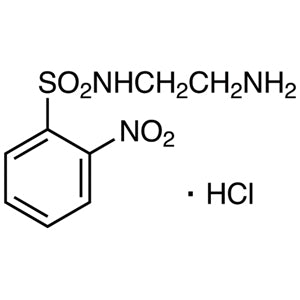
- TCI A2329 92504-03-5 N-(2-Aminoethyl)-2-nitrobenzenesulfonamide Hydrochloride
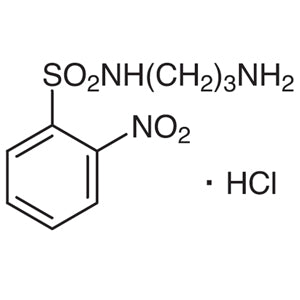
- TCI A2268 863983-46-4 N-(3-Aminopropyl)-2-nitrobenzenesulfonamide Hydrochloride
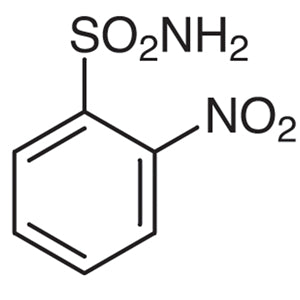
- TCI N0705 5455-59-4 2-Nitrobenzenesulfonamide
- Organic synthesis of complex molecules requiring substitution reactions due to its electrophilic activation properties
- Development of new pharmaceutical compounds through controlled chemical transformations in laboratory settings
- Modification of existing chemical structures in material science research for enhanced functional properties
- Support for electrophilic substitution reactions in synthetic chemistry due to its stable molecular structure
- Application in academic research for teaching and experimental purposes in chemical laboratories
From the TCI brochure
- Synthesis of primary and secondary amines (Fukuyama method)
| Brand | TCI |
|---|---|
| CAS number | 198572-71-3 |
| Molecular formula | — |
| Purity | — |
| Category | Chemistry > Synthetic Reagents > C-X(Non-Halogen) Bond Formation [Synthetic Reagents] |
| Pack sizes | Available in standard laboratory quantities |
| Physical form | Solid powder |
| Storage | Store in a cool, dry place away from direct sunlight |
This compound should be stored in a cool, dry environment to maintain its chemical stability. It is recommended to use airtight containers to prevent moisture absorption and contamination. Due to its reactivity, it should be handled in a well-ventilated area, ideally with appropriate personal protective equipment. Avoid exposure to heat or direct light to preserve its integrity. Proper labeling and storage conditions ensure safe and effective use in laboratory settings. Always follow standard chemical safety protocols when working with this reagent.
—
Produk Terkait
-
N-Benzyloxycarbonyl-2-nitrobenzenesulfonamide TCI C1757
Regular price From Rp 2.730.000,00Regular priceRp 1.924.650,00Sale price From Rp 2.730.000,00 -
N-(tert-Butoxycarbonyl)-p-toluenesulfonamide TCI B1648
Regular price From Rp 2.173.500,00Regular priceRp 1.535.100,00Sale price From Rp 2.173.500,00 -
N,N,2-Trimethyl-5-nitrobenzenesulfonamide TCI T3112
Regular price From Rp 2.623.950,00Regular priceRp 1.850.100,00Sale price From Rp 2.623.950,00 -
N-(2-Aminoethyl)-2-nitrobenzenesulfonamideHydrochloride TCI A2329
Regular price Rp 3.815.700,00Regular priceRp 2.683.800,00Sale price Rp 3.815.700,00 -
N-(3-Aminopropyl)-2-nitrobenzenesulfonamideHydrochloride TCI A2268
Regular price From Rp 3.312.750,00Regular priceRp 2.332.050,00Sale price From Rp 3.312.750,00 -
2-Nitrobenzenesulfonamide TCI N0705
Regular price From Rp 1.563.450,00Regular priceRp 1.108.800,00Sale price From Rp 1.563.450,00 -
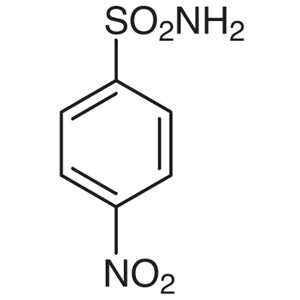
4-Nitrobenzenesulfonamide TCI N0697
Regular price From Rp 1.723.050,00Regular priceRp 1.220.100,00Sale price From Rp 1.723.050,00 -
3-Nitrobenzenesulfonamide TCI N0696
Regular price From Rp 822.150,00Regular priceRp 590.100,00Sale price From Rp 822.150,00