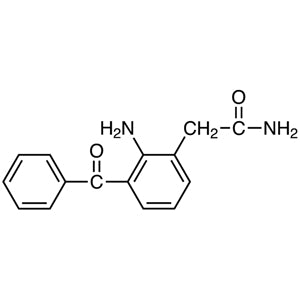
Nepafenac is a pharmacological compound widely used in pharmaceutical research for various applications such as pharmacological effect testing and drug development. As a research reagent, it plays a crucial role in studying the mechanisms of drug action and their impact on biological systems. This compound is frequently utilized in laboratories to evaluate anti-inflammatory and analgesic activities, as well as to serve as an auxiliary material in pharmacological experiments. Its chemical stability allows it to be used under a variety of experimental conditions, making it a versatile tool for researchers.
Nepafenac is preferred due to its predictable and consistent properties, which are essential for accurate and reproducible experimental results. Its molecular structure enables it to interact with specific receptors in the body, making it highly relevant in drug research. The compound’s reliability and reproducibility make it a suitable choice for experiments requiring precision and consistency. Additionally, its well-documented pharmacological profile supports its use in both basic and applied research settings.
In Indonesian laboratories, Nepafenac is commonly used in pharmaceutical and chemical research to develop new drugs and understand disease mechanisms. It is also applied in pharmacodynamic and pharmacokinetic studies, which are vital for ensuring the safety and effectiveness of pharmaceutical products. Its widespread use in these contexts highlights its importance in advancing scientific research and drug development in the region.
- Pharmacological Testing - Nepafenac is ideal for assessing the pharmacological effects of drugs due to its well-defined chemical properties and predictable interactions with biological systems.
- Anti-inflammatory Research - Its ability to modulate inflammatory responses makes it suitable for studies focused on inflammation and related diseases.
- Analgesic Development - Nepafenac is used in experiments to evaluate pain-relieving properties, aiding in the development of new analgesic compounds.
- Drug Mechanism Studies - Its molecular structure allows for in-depth investigation into how drugs interact with biological receptors and pathways.
- Pharmacokinetic Analysis - Nepafenac supports studies on drug absorption, distribution, metabolism, and excretion, providing critical data for drug development.
| Brand | TCI |
|---|---|
| CAS number | 78281-72-8 |
| Molecular formula | — |
| Purity | — |
| Category | Life Science > Biochemicals and Reagents > Pharmaceutical Research Reagents |
| Pack sizes | Available in various quantities as per standard laboratory requirements |
| Physical form | Solid |
| Storage | Store in a cool, dry place away from direct sunlight |
Nepafenac should be stored in a cool, dry environment to maintain its chemical stability and prevent degradation. It is recommended to keep the compound in a sealed container to avoid moisture and contamination. Proper labeling of storage containers is essential for safe handling and traceability. Laboratory personnel should wear appropriate personal protective equipment when handling the compound to ensure safety. Regular monitoring of storage conditions is advised to maintain the integrity of the material. The compound should not be exposed to extreme temperatures or direct sunlight to preserve its effectiveness and ensure consistent performance in experimental applications.
—
Product Categories
- Biochemicals and ReagentsPharmaceutical Research Reagents (for Experimental Use)Anti-inflammatory Ingredients (for Research and Experimental Use)
- Biochemicals and Reagents
- Pharmaceutical Development and Drug Discovery ResearchPharmaceutical Research Reagents (for Experimental Use)Anti-inflammatory Ingredients (for Research and Experimental Use)
Produk Terkait
-
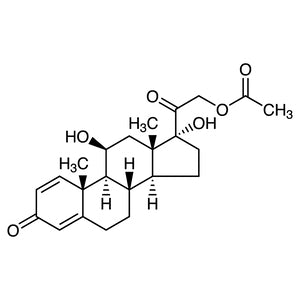
PrednisoloneAcetate TCI P1283
Regular price Rp 4.213.650,00Regular price -
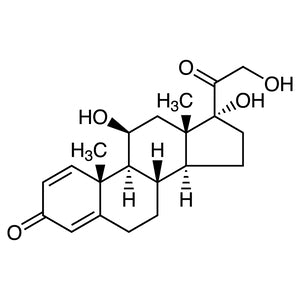
Prednisolone TCI P0637
Regular price From Rp 1.378.650,00Regular price -
KetorolacTromethamine TCI K0053
Regular price From Rp 1.378.650,00Regular price -
Flurbiprofen TCI F0371
Regular price From Rp 3.207.750,00Regular price -
Dexamethasone TCI D1961
Regular price Rp 1.936.200,00Regular price -
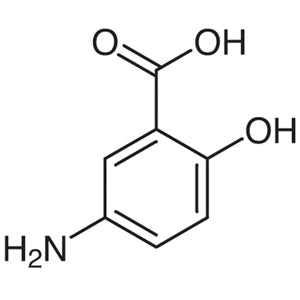
5-AminosalicylicAcid TCI A0317
Regular price From Rp 955.500,00Regular price -
Tolmetin TCI T4087
Regular price From Rp 1.140.300,00Regular price -
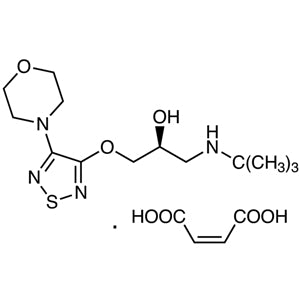
TimololMaleate TCI T2905
Regular price Rp 3.525.900,00Regular price