


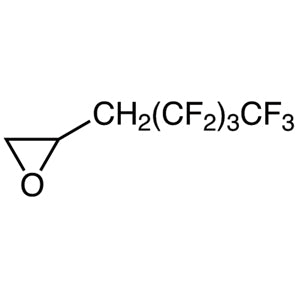
TCI N1041, with the CAS number 81190-28-5, is a specialized chemical compound known as 2,2,3,3,4,4,5,5,5-Nonafluoropentyloxirane. This compound is widely used in organic laboratory settings for its unique chemical properties and reactivity. It belongs to the category of heterocyclic building blocks, which are essential for the synthesis of complex organic molecules. Due to its structural complexity and fluorine content, it plays a crucial role in various synthetic pathways, enabling the creation of advanced chemical structures with specific functional groups.
One of the key reasons this compound is preferred in laboratory settings is its high fluorine content, which significantly influences its reactivity and stability. The presence of multiple fluorine atoms enhances its polarity and solubility, making it suitable for a wide range of chemical reactions. Its ability to participate in substitution and other organic reactions makes it a versatile tool for chemists working on complex synthesis projects. These properties allow it to be an essential component in the development of new chemical compounds and materials.
In Indonesian laboratories, TCI N1041 is commonly used in organic chemistry research, particularly in the synthesis of heterocyclic compounds and the development of new chemical materials. Its unique chemical profile makes it a valuable resource for researchers aiming to explore more complex and innovative chemical reactions. The compound is especially favored in applications related to pharmaceutical and material science research due to its reactivity and structural versatility.
TCI brochures (PDF)
- Fluorous Chemistry 2025-01-21 · p. 9
Related TCI products
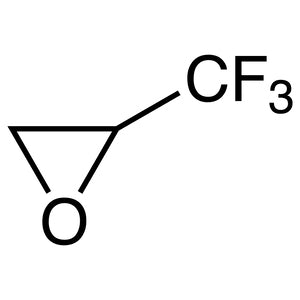
- TCI T3429 359-41-1 2-(Trifluoromethyl)oxirane
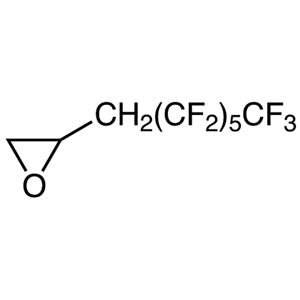
- TCI T3365 38565-52-5 2,2,3,3,4,4,5,5,6,6,7,7,7-Tridecafluoroheptyloxirane
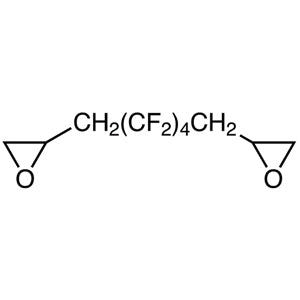
- TCI O0469 791-22-0 2,2'-(2,2,3,3,4,4,5,5-Octafluorohexane-1,6-diyl)bis(oxirane)
- TCI O0481 355-93-1 1H,1H,5H-Octafluoropentyl Methacrylate (stabilized with MEHQ)
- TCI O0318 376-84-1 1H,1H,5H-Octafluoropentyl Acrylate (stabilized with MEHQ)
- TCI E0012 106-89-8 Epichlorohydrin
- Synthesis of heterocyclic compounds: This compound is ideal for creating complex ring structures due to its reactivity and fluorine content.
- Development of pharmaceutical intermediates: Its unique chemical structure allows for the synthesis of compounds used in drug development.
- Organic reaction studies: The compound's ability to participate in substitution reactions makes it suitable for studying reaction mechanisms.
- Material science research: The fluorinated structure contributes to the synthesis of advanced materials with specific properties.
- Chemical innovation projects: It is frequently used in research aimed at developing new chemical compounds and functional materials.
| Brand | TCI |
|---|---|
| CAS number | 81190-28-5 |
| Molecular formula | — |
| Purity | — |
| Category | Chemistry > Building Blocks > Heterocyclic Building Blocks |
| Pack sizes | — |
| Physical form | — |
| Storage | Store in a cool, dry place away from light and moisture |
This compound should be stored in a cool, dry environment, away from direct light and moisture to maintain its chemical integrity. It is recommended to use airtight containers made of materials that are chemically inert, such as glass or high-density polyethylene, to prevent contamination and degradation. Due to its fluorinated structure, it is important to handle the compound with appropriate personal protective equipment, including gloves and safety goggles, to ensure laboratory safety. Avoid exposure to heat and incompatible substances to prevent any potential chemical reactions. Proper storage and handling are essential to preserve the compound's effectiveness and ensure safe usage in laboratory settings.
—
Produk Terkait
-
2-(Trifluoromethyl)oxirane TCI T3429
Regular price From Rp 848.400,00Regular price -
2,2,3,3,4,4,5,5,6,6,7,7,7-Tridecafluoroheptyloxirane TCI T3365
Regular price From Rp 3.340.050,00Regular price -
2,2'-(2,2,3,3,4,4,5,5-Octafluorohexane-1,6-diyl)bis(oxirane) TCI O0469
Regular price From Rp 4.347.000,00Regular price -
1H,1H,5H-OctafluoropentylMethacrylate(stabilizedwithMEHQ) TCI O0481
Regular price From Rp 903.000,00Regular price -
1H,1H,5H-OctafluoropentylAcrylate(stabilizedwithMEHQ) TCI O0318
Regular price From Rp 1.035.300,00Regular price -
Epichlorohydrin TCI E0012
Regular price From Rp 505.050,00Regular price -
2-(4-Chlorophenyl)oxirane TCI C3907
Regular price From Rp 2.147.250,00Regular price -
2-[(4-Bromophenoxy)methyl]oxirane TCI B6472
Regular price From Rp 2.306.850,00Regular price


![2-[(4-Bromophenoxy)methyl]oxirane (CAS 2212-06-8) - TCI B6472 - AMI Scientific](http://amiscientific.com/cdn/shop/files/TCI2510B6472_1a9ec45a-c16f-4c99-b578-b25c29fb1141.jpg?v=1767865906&width=533)