2-(4-Nitrosopiperazin-1-yl)ethan-1-ol (N1300), also known as TCI N1300, is a chemical compound widely used in life science research, particularly in cell biology and cancer research. This compound serves as an essential intermediate in the synthesis of bioactive molecules with therapeutic potential for various types of cancer. Its role in the laboratory is critical for the development of new drugs and the investigation of disease mechanisms. Due to its chemical complexity, it is a key component in the creation of pharmacologically active substances.
The compound's high reactivity and complex chemical structure make it a preferred choice for researchers seeking to synthesize compounds with specific biological activities. These properties enable it to participate in a wide range of chemical reactions, making it versatile for different experimental setups. Its reactivity also allows for the study of molecular interactions and toxicity mechanisms, which are vital in understanding the behavior of biological systems. This versatility enhances its value in both academic and industrial research environments.
In Indonesian laboratories, 2-(4-Nitrosopiperazin-1-yl)ethan-1-ol is commonly used by researchers in molecular biology and pharmacology. It plays a crucial role in cancer therapy development and the study of degenerative diseases. Its availability in the local market supports scientific experimentation and innovation, making it an essential tool for researchers working on advanced biological and pharmaceutical projects.
Related TCI products
- TCI C4011 61379-66-6 1-Cyclopentyl-4-nitrosopiperazine
- TCI T4357 76155-79-8 (R)-1-[4-(Trifluoromethyl)phenyl]ethan-1-ol
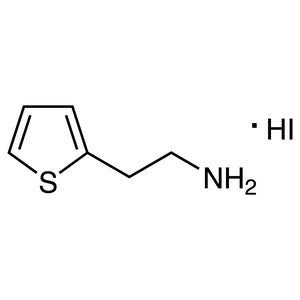
- TCI A3720 2414055-94-8 2-(Thiophen-2-yl)ethan-1-amine Hydroiodide
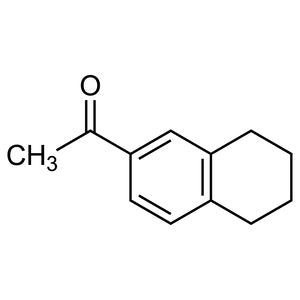
- TCI A3692 774-55-0 1-(5,6,7,8-Tetrahydronaphthalen-2-yl)ethan-1-one
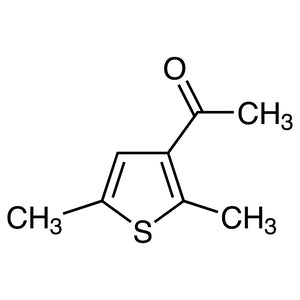
- TCI A3587 2530-10-1 1-(2,5-Dimethylthiophen-3-yl)ethan-1-one
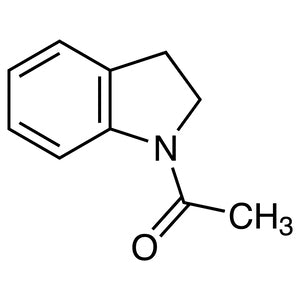
- TCI A3508 16078-30-1 1-(Indolin-1-yl)ethan-1-one
- Cancer Research: This compound is widely used in the development of new therapeutic agents for various types of cancer due to its role in synthesizing bioactive molecules.
- Molecular Biology Studies: It supports research into molecular mechanisms and interactions, aiding in the understanding of cellular processes and disease progression.
- Drug Development: Its chemical versatility makes it a valuable intermediate in the synthesis of pharmaceutical compounds with potential therapeutic applications.
- Toxicity Studies: The compound's reactivity enables researchers to investigate the toxicological effects of various substances on biological systems.
- Degenerative Disease Research: It is used to explore the molecular pathways involved in diseases such as Alzheimer’s and Parkinson’s, contributing to the development of targeted therapies.
| Brand | TCI |
|---|---|
| CAS number | 48121-20-6 |
| Molecular formula | — |
| Purity | — |
| Category | Life Science > Cell Biology > Cancer Research |
| Pack sizes | Available in various quantities as per standard laboratory supply |
| Physical form | Liquid |
| Storage | Store in a cool, dry place away from light and incompatible materials |
This compound should be stored in a cool, dry environment, away from direct sunlight and sources of heat. It is recommended to use airtight, chemically resistant containers to prevent contamination and maintain stability. Due to its reactivity, it should be handled with care, using appropriate personal protective equipment such as gloves and safety goggles. It is important to ensure that the storage area is well-ventilated to minimize exposure to vapors. Proper labeling of containers is essential to ensure safe handling and prevent accidental misuse. Laboratories should follow standard safety protocols to maintain a secure and controlled environment for chemical storage and use.
—
Product Categories
Produk Terkait
-
1-Cyclopentyl-4-nitrosopiperazine TCI C4011
Regular price Rp 9.221.100,00Regular priceRp 6.463.800,00Sale price Rp 9.221.100,00 -
(R)-1-[4-(Trifluoromethyl)phenyl]ethan-1-ol TCI T4357
Regular price Rp 2.889.600,00Regular priceRp 2.020.200,00Sale price Rp 2.889.600,00 -
2-(Thiophen-2-yl)ethan-1-amineHydroiodide TCI A3720
Regular price From Rp 1.431.150,00Regular priceRp 1.016.400,00Sale price From Rp 1.431.150,00 -
1-(5,6,7,8-Tetrahydronaphthalen-2-yl)ethan-1-one TCI A3692
Regular price Rp 2.359.350,00Regular priceRp 1.649.550,00Sale price Rp 2.359.350,00 -
1-(2,5-Dimethylthiophen-3-yl)ethan-1-one TCI A3587
Regular price From Rp 2.411.850,00Regular priceRp 1.702.050,00Sale price From Rp 2.411.850,00 -
1-(Indolin-1-yl)ethan-1-one TCI A3508
Regular price From Rp 1.405.950,00Regular priceRp 998.550,00Sale price From Rp 1.405.950,00 -
1-(3-Phenoxyphenyl)ethan-1-one TCI P3057
Regular price Rp 4.636.800,00Regular priceRp 3.258.150,00Sale price Rp 4.636.800,00 -
TCI P2843 2-[3-[(Prop-2-yn-1-yloxy)methyl]-3H-diazirin-3-yl]ethan-1-ol
Regular price Rp 7.949.550,00Regular priceRp 5.574.450,00Sale price Rp 7.949.550,00