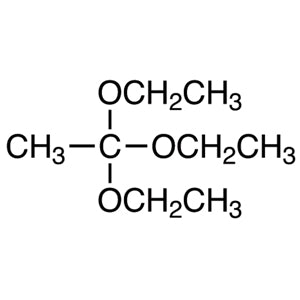
Triethyl orthoacetate (TEOA), with CAS number 78-39-7, is a versatile chemical compound widely used in organic laboratory reactions. As a key building block in chemical synthesis, TEOA plays a significant role in the development of complex molecules. Its simple chemical structure allows it to be easily manipulated in various synthetic pathways, making it a valuable tool for researchers. This compound is commonly used as a solvent, reagent, or auxiliary in esterification and transesterification reactions, contributing to the efficiency and success of many chemical processes.
One of the primary reasons TEOA is preferred in laboratory settings is its solubility in common organic solvents such as ethyl acetate and ethanol. This property makes it an effective solvent for a wide range of chemical reactions. Additionally, TEOA has a relatively high boiling point, which ensures stability during heating and cooling processes. These characteristics make it suitable for use in both academic and industrial laboratory environments. Its non-toxic nature and ease of handling further enhance its appeal for laboratories prioritizing safety and efficiency.
In Indonesian laboratories, TEOA is extensively used in both educational and research settings. It is a staple in university chemistry departments and research institutions, where it supports the teaching of organic chemistry and the development of new chemical compounds. Its availability and reliability make it a go-to choice for both routine experiments and more complex syntheses. The compound's role in the production of aromatic compounds, polymers, and industrial chemicals highlights its importance in the chemical industry.
- Esterification Reactions – TEOA is ideal for esterification due to its ability to act as both a solvent and reagent, facilitating the formation of ester bonds in organic synthesis.
- Transesterification Processes – Its chemical properties make it suitable for transesterification, where it can replace traditional esters in the production of biodiesel and other specialty chemicals.
- Solvent for Organic Synthesis – TEOA's solubility in various organic solvents makes it a preferred choice for dissolving reactants and intermediates in complex chemical reactions.
- Polymer Production – It is commonly used in the synthesis of polymers, particularly in the development of thermoplastic and elastomeric materials.
- Aromatic Compound Synthesis – TEOA is a key reagent in the production of aromatic compounds, which are essential in pharmaceutical and industrial applications.
| Brand | TCI |
|---|---|
| CAS number | 78-39-7 |
| Molecular formula | — |
| Purity | — |
| Category | Chemistry > Building Blocks > Non-Heterocyclic Building Blocks |
| Pack sizes | Available in various sizes as per standard laboratory supply |
| Physical form | Liquid |
| Storage | Store in a cool, dry place away from direct sunlight |
TEOA should be stored in a cool, dry environment, away from direct sunlight and sources of heat. It is recommended to use airtight containers made of glass or stainless steel to prevent contamination and evaporation. Due to its chemical nature, it should be kept in a well-ventilated area to minimize exposure. Laboratories should ensure that proper personal protective equipment, such as gloves and safety goggles, is worn when handling this compound. TEOA is non-toxic and generally safe to handle, but standard laboratory safety protocols should always be followed to maintain a secure working environment.
—
Produk Terkait
-
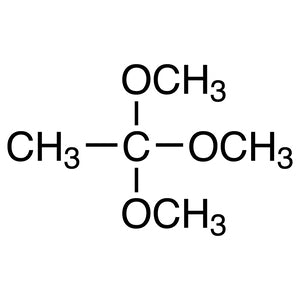
TrimethylOrthoacetate TCI O0115
Regular price From Rp 505.050,00Regular price -
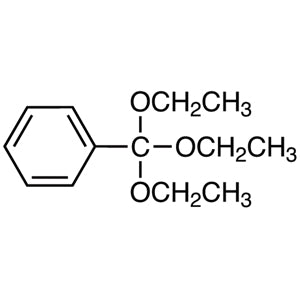
TriethylOrthobenzoate TCI T3070
Regular price From Rp 955.500,00Regular price -
TriethylOrthovalerate TCI T0977
Regular price From Rp 3.710.700,00Regular price -
TriethylOrthobutyrate TCI O0173
Regular price From Rp 1.035.300,00Regular price -
TriethylOrthopropionate TCI O0067
Regular price From Rp 584.850,00Regular price -
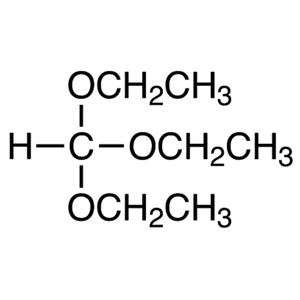
TriethylOrthoformate TCI O0066
Regular price From Rp 530.250,00Regular price -
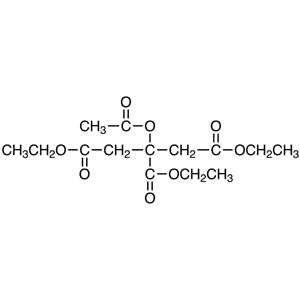
TriethylO-Acetylcitrate TCI A0086
Regular price From Rp 584.850,00Regular price -
Triethyl1,1,2-Ethanetricarboxylate TCI T2431
Regular price From Rp 743.400,00Regular price