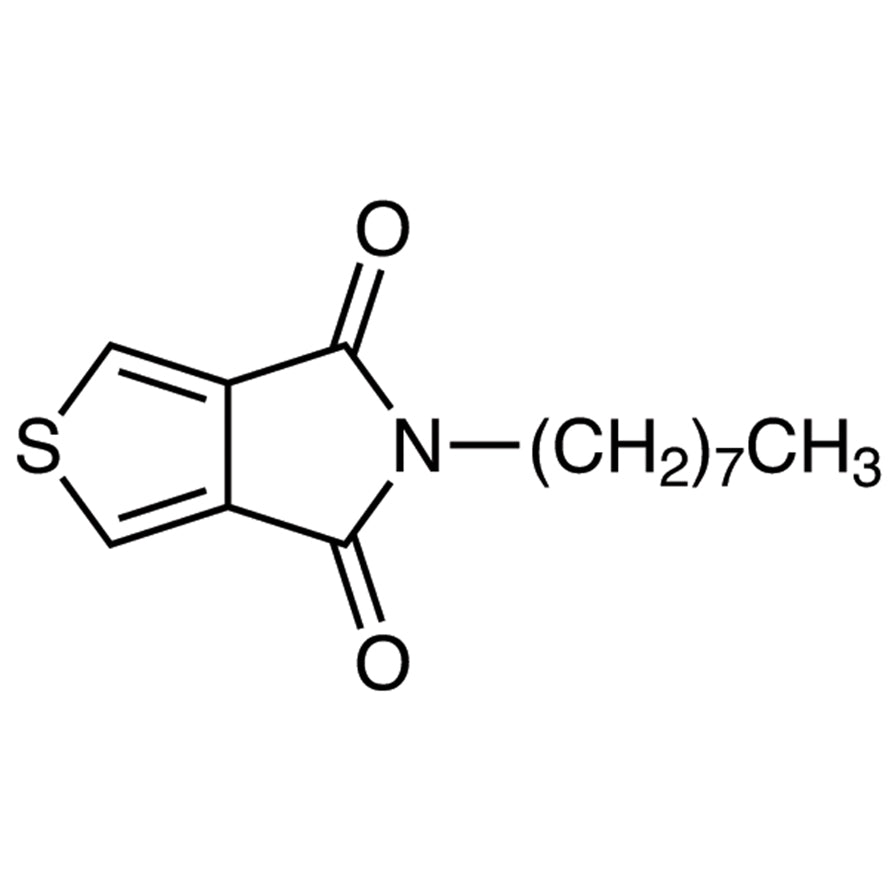
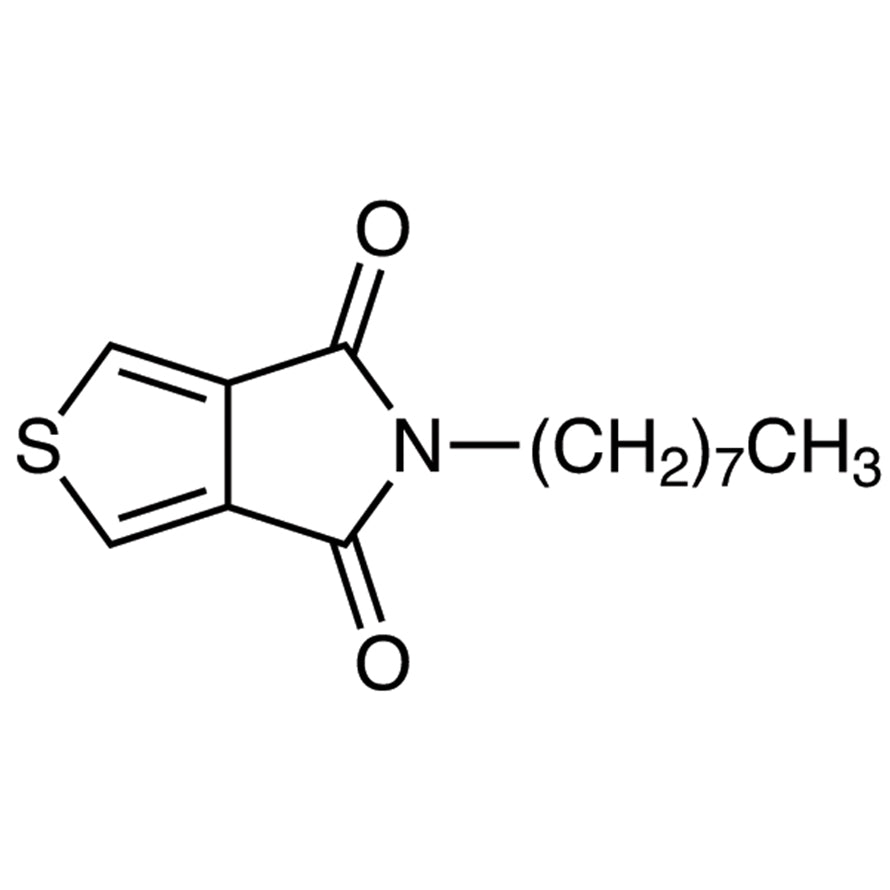
N-n-Octyl-3,4-thiophenedicarboximide is a chemical compound widely used in scientific research, particularly in the development of polymers and semiconductor materials. This compound plays a crucial role in the synthesis of complex molecules, offering researchers a versatile building block for advanced material applications. Its unique molecular structure, featuring two carboxyl groups attached to a thiophene ring, makes it an essential component in organic chemistry and materials science. The compound's reactivity and functional properties enable it to participate in a variety of chemical reactions, including substitution and polymerization, making it a valuable tool in laboratory settings.
The compound is preferred due to its high reactivity and ability to form stable chemical bonds. The presence of the thiophene ring enhances its chemical versatility, allowing it to be modified and integrated into various molecular frameworks. Its stability under specific conditions ensures reliable performance during synthesis and manipulation processes. These properties make it a key ingredient in the development of materials with tailored optical and conductive properties, supporting innovation in both academic and industrial research environments.
In Indonesian laboratories, this compound is commonly used in material science and organic chemistry research. It is particularly favored for its role in creating advanced polymer structures and semiconductor materials. Its application supports the development of new technologies and scientific discoveries, contributing to the growth of research capabilities in the region.
- Polymer synthesis and modification where thiophene-based structures are required for enhanced conductivity and optical properties.
- Organic chemistry research involving the creation of complex molecular frameworks with functional groups.
- Semiconductor material development for applications in electronic devices and optoelectronics.
- Chemical reaction studies focusing on substitution and polymerization mechanisms.
- Material characterization experiments requiring stable and reactive building blocks for advanced material design.
| Brand | TCI |
|---|---|
| CAS number | 773881-43-9 |
| Molecular formula | — |
| Purity | — |
| Category | Materials Science > Material Building Blocks > Polymer/Macromolecule Semiconductor Building Blocks |
| Pack sizes | Available in various quantities as per standard laboratory supply practices |
| Physical form | Solid, typically in crystalline or powder form |
| Storage | Store in a cool, dry place away from light and moisture |
This compound should be stored in a cool, dry environment, away from direct light and moisture to maintain its chemical stability. It is recommended to use airtight containers made of materials that do not react with the compound, such as glass or high-density polyethylene. In laboratory settings, proper ventilation and personal protective equipment should be used when handling the material to ensure safety. Avoid exposure to heat or incompatible substances to prevent degradation or unwanted reactions. Regular inspection of storage conditions is advised to ensure the compound remains in optimal condition for use in research applications.
—
Produk Terkait
-
2,5-Dibromo-N-(2-ethylhexyl)-3,4-thiophenedicarboximide TCI D5021
Regular price From Rp 1.961.400,00Regular price -
2,5-Dibromo-N-n-octyl-3,4-thiophenedicarboximide TCI D4219
Regular price Rp 2.174.550,00Regular price -
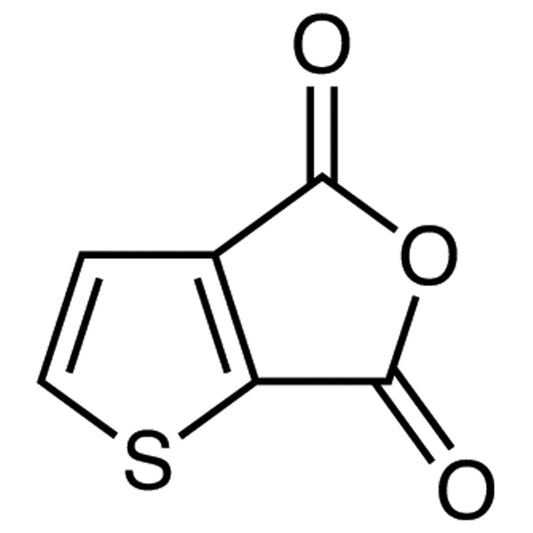
2,3-ThiophenedicarboxylicAnhydride TCI T3342
Regular price From Rp 4.479.300,00Regular price -
3,4-ThiophenedicarboxylicAnhydride TCI T2897
Regular price Rp 4.426.800,00Regular price -
6,6'-Dibromo-1,1'-di(n-octyl)isoindigo TCI D5742
Regular price Rp 3.870.300,00Regular price -
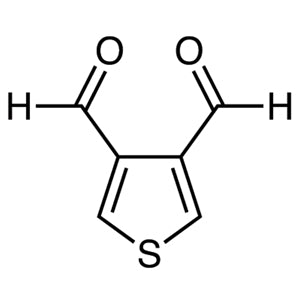
3,4-Thiophenedicarboxaldehyde TCI T3343
Regular price Rp 9.486.750,00Regular price -
4-n-Octyl-2-(4,4,5,5-tetramethyl-1,3,2-dioxaborolan-2-yl)thiophene TCI O0411
Regular price From Rp 2.199.750,00Regular price -
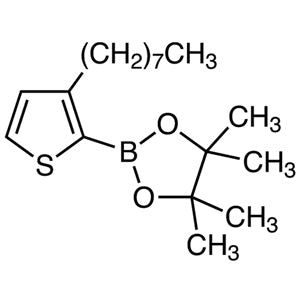
3-n-Octyl-2-(4,4,5,5-tetramethyl-1,3,2-dioxaborolan-2-yl)thiophene TCI O0410
Regular price From Rp 3.392.550,00Regular price