Ethyl Palmitate from TCI is the ethyl ester of palmitic acid, a saturated C16 fatty acid. It belongs to the fatty acid ethyl ester (FAEE) class of compounds and occurs naturally in small amounts in a range of biological sources. In life science laboratories, ethyl palmitate is classed as a lipid reagent. It serves as an analytical standard, as a model compound in lipid metabolism studies, and as a reference material in biodiesel and oleochemical research. Because it is supplied in volume-based packaging, it can be pipetted directly when preparing standard solutions, which makes routine work faster.
Researchers choose ethyl palmitate because its carboxyl group is already capped as an ester. This makes it less polar than its parent acid and more readily soluble in organic solvents, so it suits both gas chromatography and liquid chromatography. As a saturated long-chain ester, it is also fairly stable against oxidation, which helps it give consistent results as a reference material over repeated analyses. It is also a recognised biochemical marker in studies of non-oxidative ethanol metabolism. For that reason, it is often used in biomedical and forensic research where reliable FAEE references are needed.
In Indonesia, ethyl palmitate is relevant to laboratories that study biodiesel and other oleochemical products, where fatty acid esters are central to quality and composition testing. University research groups and institutional laboratories working on lipid biochemistry use it as a well-defined model ester. Analytical laboratories that run chromatographic methods use it as a standard for identifying and quantifying fatty acid esters. Biomedical and forensic laboratories studying ethanol metabolism markers also benefit from having a dependable FAEE reference on hand.
- Analytical standard for chromatography: its low polarity and good solubility in organic solvents make it a practical reference compound for gas and liquid chromatography methods.
- Lipid metabolism studies: as a defined ester of a saturated C16 fatty acid, it is a convenient model compound for studying how fatty acid esters are formed and broken down.
- Biodiesel and oleochemical research: as a fatty acid ethyl ester, it is a relevant reference material for characterising ester-based fuels and oleochemical products.
- Forensic and biomedical marker research: it is known as a marker of non-oxidative ethanol metabolism, so it supports studies that identify and measure fatty acid ethyl esters in research samples.
- Preparation of standard solutions: its volume-based packaging allows direct pipetting, which makes it efficient to prepare calibration and reference solutions with consistent concentrations.
| Brand | TCI (product code P0003) |
|---|---|
| CAS number | 628-97-7 |
| Molecular formula | — |
| Purity | — |
| Category | Life Science > Biochemicals and Reagents > Lipids |
| Pack sizes | Supplied in volume-based packaging, suitable for direct pipetting |
| Physical form | — |
| Storage | Keep tightly sealed in a cool, dry place away from heat and direct light |
- Compound class: Fatty acid ethyl ester (FAEE), the ethyl ester of palmitic acid (C16)
Store ethyl palmitate in its original, tightly closed container in a cool, dry, well-ventilated area, away from heat sources, direct sunlight, and strong oxidising agents. Although it is fairly stable against oxidation, reseal the container promptly after each use to limit exposure to air and moisture. Use clean glass pipettes or compatible dispensing tools to avoid contaminating the stock. Follow standard laboratory practice: wear gloves, safety glasses, and a lab coat, avoid contact with skin and eyes, and do not inhale vapours. Always check the supplier's Safety Data Sheet for complete handling, storage, and disposal guidance before use.
—
Produk Terkait
-
TCI B5774 5,10-Bis(4,4,5,5-tetramethyl-1,3,2-dioxaborolan-2-yl)naphtho[1,2-c:5,6-c']bis([1,2,5]oxadiazole)
Regular price Rp 10.255.350,00Regular price -
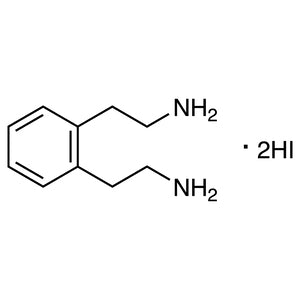
Dihydroiodide TCI B6569
Regular price From Rp 1.936.200,00Regular price -
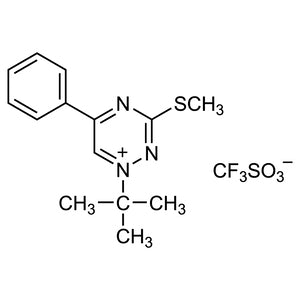
Trifluoromethanesulfonate TCI B7003
Regular price From Rp 1.936.200,00Regular price
![5,10-Bis(4,4,5,5-tetramethyl-1,3,2-dioxaborolan-2-yl)naphtho[1,2-c:5,6-c']bis([1,2,5]oxadiazole) - TCI B5774 - AMI Scientific](http://amiscientific.com/cdn/shop/files/TCI2510B5774.jpg?v=1769180228&width=533)