Phenazine Methyl Sulfate (PMS) is a chemical compound widely used in laboratory applications, particularly in the fields of biochemistry and analytical chemistry. It serves as a key reagent in enzymatic assays, where it acts as an activator for various oxidative reactions. Its role in laboratory settings is crucial for studying enzyme activity, especially in systems involving peroxidase and catalase. Due to its ability to initiate and facilitate chemical reactions, PMS is a valuable tool for researchers aiming to understand biochemical processes and develop analytical methods.
One of the main reasons PMS is preferred in laboratory settings is its stable chemical structure and resistance to environmental variations. It remains colorless in its pure form but can change color upon reaction with other substances, making it ideal for both qualitative and quantitative analysis. Additionally, PMS is soluble in organic solvents such as ethanol and acetone, which enhances its versatility in different experimental setups. These properties make it a reliable and efficient reagent for a wide range of applications.
In Indonesian laboratories, PMS is commonly used in biochemical, environmental, and pharmaceutical research. It plays a significant role in enzyme activity studies, water quality testing, and the development of chemical analysis methods. Its reliability and effectiveness across various scientific disciplines make it an essential component in the laboratory toolkit of Indonesian researchers.
Related TCI products
- TCI B3581 1871-22-3 Blue Tetrazolium [for Biochemical Research]
- TCI A5105 61-73-4 Methylene Blue [Ion association reagent for spectrophotometric analysis]
- TCI A5100 2437-29-8 Malachite Green, Oxalate [Sensitive spectrophotometric reagent for PO4]
- TCI A2412 28718-90-3 DAPI 2HCl [for Biochemical Research]
- TCI A0579 1718-34-9 Mordant Orange 1 Monosodium Salt
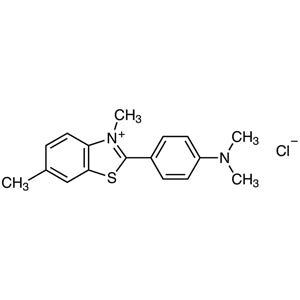
- TCI T0558 2390-54-7 Basic Yellow 1
- Enzyme Activity Assays – PMS is used to activate peroxidase and catalase, enabling accurate measurement of enzyme function in biochemical studies.
- Environmental Analysis – It aids in detecting pollutants and assessing water quality through its reactivity and color change properties.
- Pharmaceutical Research – PMS supports the development of analytical methods for drug testing and formulation studies.
- Quantitative Analysis – Its color change upon reaction makes it suitable for spectrophotometric and colorimetric measurements.
- Biochemical Reactions – It facilitates oxidative reactions, making it essential for studying metabolic pathways and enzyme mechanisms.
| Brand | TCI |
|---|---|
| CAS number | 299-11-6 |
| Molecular formula | — |
| Purity | — |
| Category | Life Science > Biochemicals and Reagents > Luminescent Compounds/Detection |
| Pack sizes | Available in various quantities as per supplier specifications |
| Physical form | Solid powder |
| Storage | Store in a cool, dry place away from light |
PMS should be stored in a cool, dry place, away from direct light and moisture to maintain its chemical stability. It is recommended to use airtight containers to prevent exposure to air and humidity, which could affect its reactivity. Due to its chemical nature, it should be handled with appropriate personal protective equipment, including gloves and safety goggles, to ensure laboratory safety. Avoid contact with incompatible substances to prevent unwanted reactions. Proper storage and handling are essential to preserve the integrity of the compound and ensure its effectiveness in laboratory applications.
—
Produk Terkait
-
BlueTetrazolium[forBiochemicalResearch] TCI B3581
Regular price From Rp 1.246.350,00Regular price -
MethyleneBlue[Ionassociationreagentforspectrophotometricanalysis] TCI A5105
Regular price Rp 955.500,00Regular price -
MalachiteGreen,Oxalate[SensitivespectrophotometricreagentforPO4] TCI A5100
Regular price Rp 2.332.050,00Regular price -
DAPI2HCl[forBiochemicalResearch] TCI A2412
Regular price Rp 1.590.750,00Regular price -
MordantOrange1MonosodiumSalt TCI A0579
Regular price Rp 1.829.100,00Regular price -
BasicYellow1 TCI T0558
Regular price Rp 2.094.750,00Regular price -
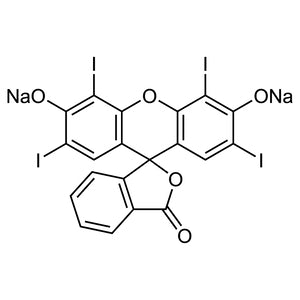
ErythrosineB TCI T0557
Regular price Rp 1.008.000,00Regular price -
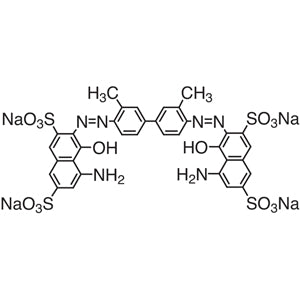
DirectBlue14 TCI T0556
Regular price Rp 1.087.800,00Regular price
![1871-22-3 Blue Tetrazolium [for Biochemical Research] - AMI Scientific](http://amiscientific.com/cdn/shop/files/TCI2510B3581_25792e25-dbc5-4e62-a711-c5f5176b1b02.jpg?v=1767433226&width=533)
![61-73-4 Methylene Blue [Ion association reagent for spectrophotometric analysis] - AMI Scientific](http://amiscientific.com/cdn/shop/files/TCI2510A5105.jpg?v=1767084859&width=533)
![2437-29-8 Malachite Green, Oxalate [Sensitive spectrophotometric reagent for PO4] - AMI Scientific](http://amiscientific.com/cdn/shop/files/TCI2510A5100.jpg?v=1767084843&width=533)
![28718-90-3 DAPI 2HCl [for Biochemical Research] - AMI Scientific](http://amiscientific.com/cdn/shop/files/TCI2510A2412.jpg?v=1767082817&width=533)