


Phenolphthalein Disulfate Potassium Salt is a chemical compound widely used as an indicator in various chemical reactions, particularly in qualitative analysis. This compound is commonly found in chemistry and biology laboratories due to its ability to change color in specific environments. It functions as a pH indicator, especially in basic solutions, where it turns a pinkish hue. Its role in identifying the endpoint of acid-base titrations makes it an essential tool in analytical chemistry. The compound's chemical stability under certain conditions allows it to be used in a wide range of experiments, making it a reliable choice for researchers and students alike.
One of the key properties that make this compound a preferred choice is its high solubility in organic solvents such as ethanol and water. This solubility ensures consistent performance in different experimental setups. Additionally, its sensitivity and accuracy in detecting pH changes make it highly valued in laboratories requiring precise measurements. The compound’s ability to maintain its color-changing properties over time enhances its reliability, contributing to its popularity among researchers and educational institutions.
In Indonesian laboratories, Phenolphthalein Disulfate Potassium Salt is extensively used across various fields such as analytical chemistry, biochemistry, and education. It is a common component in basic experiments and advanced research, supporting both teaching and scientific inquiry. Its widespread use highlights its importance in maintaining the quality and accuracy of chemical analyses in the region.
Related TCI products
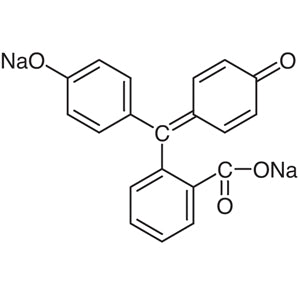
- TCI P0099 518-51-4 Phenolphthalein Disodium Salt (Water soluble)
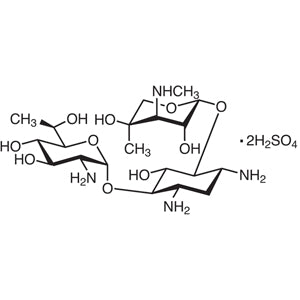
- TCI G0349 108321-42-2 G418 Disulfate
- TCI A5107 62637-91-6 TBPE (=Tetrabromophenolphthalein Ethyl Ester Potassium Salt) [Sensitive spectrophotometric reagent for amines, quaternary ammonium salts and other cations]
- TCI P0095 81-90-3 Phenolphthalin [for redox indicator]
- Acid-base titration analysis, as it provides a clear visual endpoint in basic solutions, aiding in precise measurement of neutralization reactions.
- Qualitative chemical analysis, where its color change helps identify the presence of specific ions or compounds in a solution.
- Educational experiments in chemistry, offering students a practical tool to understand pH indicators and colorimetric reactions.
- Biochemical research, where it assists in monitoring pH changes in biological systems and reaction environments.
- Laboratory quality control processes, ensuring consistency and accuracy in chemical testing procedures across various research settings.
| Brand | TCI |
|---|---|
| CAS number | 62625-16-5 |
| Molecular formula | — |
| Purity | — |
| Category | Chemistry > Stains and Dyes (for Research and Experimental Use) > Stains and Dyes (Other) (for Research and Experimental Use) |
| Pack sizes | Available in standard laboratory quantities as per supplier specifications |
| Physical form | Solid powder or crystalline powder |
| Storage | Store in a cool, dry place away from direct sunlight and moisture |
Phenolphthalein Disulfate Potassium Salt should be stored in a cool, dry environment to maintain its chemical stability and color-changing properties. It is recommended to keep the compound in airtight containers to prevent exposure to moisture and air, which may affect its performance. Since it is a sensitive indicator, it should be handled with care to avoid contamination. Laboratory personnel should ensure that it is stored away from incompatible substances and in a location that is easily accessible for routine use. Proper labeling and storage conditions are essential to ensure the compound remains effective for its intended applications.
—
Produk Terkait
-
PhenolphthaleinDisodiumSalt(Watersoluble) TCI P0099
Regular price Rp 5.698.350,00Regular price -
G418Disulfate TCI G0349
Regular price From Rp 2.942.100,00Regular price -
TBPE(=TetrabromophenolphthaleinEthylEsterPotassiumSalt)[Sensitivespectrophotometricreagentforamines,quaternaryammoniumsaltsandothercations] TCI A5107
Regular price Rp 3.498.600,00Regular price -
Phenolphthalin[forredoxindicator] TCI P0095
Regular price Rp 1.298.850,00Regular price
![62637-91-6 TBPE (=Tetrabromophenolphthalein Ethyl Ester Potassium Salt) [Sensitive spectrophotometric reagent for amines, quaternary ammonium salts and other cations] - AMI Scientific](http://amiscientific.com/cdn/shop/files/TCI2510A5107.jpg?v=1767084868&width=533)
![81-90-3 Phenolphthalin [for redox indicator] - AMI Scientific](http://amiscientific.com/cdn/shop/files/TCI2510P0095.jpg?v=1768362337&width=533)
![81-90-3 Phenolphthalin [for redox indicator] - AMI Scientific](http://amiscientific.com/cdn/shop/files/TCI2510P0095_a958ddd1-c0e6-4cb5-b60e-04c29c4303e0.jpg?v=1769057271&width=533)