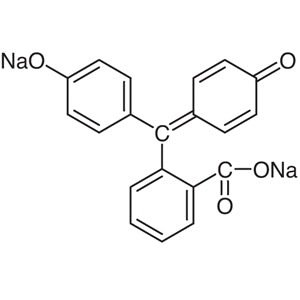
Phenolphthalein Disodium Salt (Water soluble), with CAS number 518-51-4, is a chemical compound widely used as an indicator in various chemical reactions. This compound is commonly found in laboratories for determining the endpoint of acid-base titrations. As a sodium salt of phenolphthalein, it undergoes a color change when exposed to a basic medium, making it a reliable tool in analytical chemistry. Its ability to change color in response to pH variations is essential for identifying changes in solution acidity or alkalinity. This property makes it an indispensable material for both educational and research settings.
The water-soluble nature of Phenolphthalein Disodium Salt ensures ease of preparation and use in experimental setups. Its solubility in water allows for quick dissolution and accurate dilution, which is crucial for precise titration results. Additionally, its low toxicity in small doses makes it a safer option compared to other indicators. Despite its safety, it should still be handled with care due to its chemical nature. The distinct pink color it exhibits in basic conditions provides a clear visual signal, enhancing the accuracy of laboratory observations.
In Indonesian laboratories, Phenolphthalein Disodium Salt is extensively used in chemical research and educational experiments. It is a key component in chemistry curricula, particularly in high school and university settings, where students learn about titration and pH indicators. Its widespread use in both academic and industrial laboratories highlights its importance in chemical analysis and teaching. The compound's reliability and ease of use make it a preferred choice for many laboratory applications in Indonesia.
Related TCI products
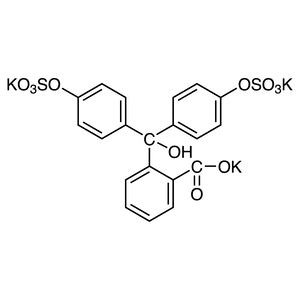
- TCI P0097 62625-16-5 Phenolphthalein Disulfate Potassium Salt
- TCI D5658 9004-53-9 Dextrin (Soluble fiber)
- TCI A5107 62637-91-6 TBPE (=Tetrabromophenolphthalein Ethyl Ester Potassium Salt) [Sensitive spectrophotometric reagent for amines, quaternary ammonium salts and other cations]
- TCI T0040 Tetrabromophenol Blue Disodium Salt
- TCI A0308 853-68-9 Disodium Anthraquinone-2,6-disulfonate
- TCI A0157 34369-07-8 Adenosine 5'-Triphosphate Disodium Salt Hydrate
- Acid-base titration is a common application where this compound is used to detect the endpoint of the reaction due to its color change in basic solutions.
- Educational experiments in high schools and universities often include this material to teach students about pH indicators and titration techniques.
- Quality control in pharmaceutical and industrial laboratories uses it to monitor pH levels in various chemical processes.
- Environmental testing laboratories may use it to assess the alkalinity of water samples and other solutions.
- Research laboratories use it as a reference material for developing and validating new analytical methods.
| Brand | TCI |
|---|---|
| CAS number | 518-51-4 |
| Molecular formula | — |
| Purity | — |
| Category | Chemistry > Stains and Dyes (for Research and Experimental Use) > Stains and Dyes (Other) (for Research and Experimental Use) |
| Pack sizes | Available in various quantities as per supplier specifications |
| Physical form | Water-soluble powder or crystal |
| Storage | Store in a cool, dry place away from direct sunlight |
Phenolphthalein Disodium Salt should be stored in a cool, dry place, away from direct sunlight and moisture. It is best kept in a sealed container to prevent contamination and maintain its chemical integrity. While it is not highly toxic in small doses, it should be handled with care, using appropriate personal protective equipment such as gloves and safety goggles. Avoid inhalation of dust during handling, and ensure proper ventilation in the workspace. This compound is not flammable, but its chemical nature requires careful handling to prevent accidental spills or exposure. In laboratory settings, it should be stored separately from strong acids or bases to avoid potential reactions. Proper storage ensures its effectiveness and safety in both educational and research environments.
—
Produk Terkait
-
PhenolphthaleinDisulfatePotassiumSalt TCI P0097
Regular price From Rp 2.677.500,00Regular price -
Dextrin(Solublefiber) TCI D5658
Regular price From Rp 1.405.950,00Regular price -
TBPE(=TetrabromophenolphthaleinEthylEsterPotassiumSalt)[Sensitivespectrophotometricreagentforamines,quaternaryammoniumsaltsandothercations] TCI A5107
Regular price Rp 3.498.600,00Regular price -
TetrabromophenolBlueDisodiumSalt TCI T0040
Regular price Rp 1.618.050,00Regular price -
DisodiumAnthraquinone-2,6-disulfonate TCI A0308
Regular price From Rp 5.247.900,00Regular price -
Adenosine5'-TriphosphateDisodiumSaltHydrate TCI A0157
Regular price From Rp 557.550,00Regular price -
Disodium1-Naphthol-3,6-disulfonateHydrate TCI V0037
Regular price Rp 584.850,00Regular price -
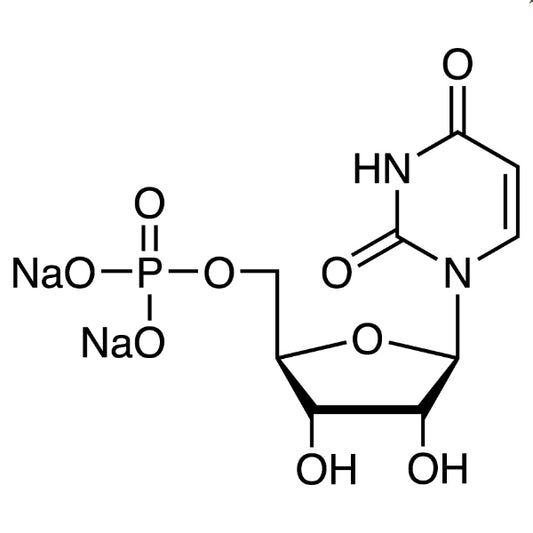
Uridine5'-MonophosphateDisodiumSalt TCI U0021
Regular price From Rp 2.041.200,00Regular price
![62637-91-6 TBPE (=Tetrabromophenolphthalein Ethyl Ester Potassium Salt) [Sensitive spectrophotometric reagent for amines, quaternary ammonium salts and other cations] - AMI Scientific](http://amiscientific.com/cdn/shop/files/TCI2510A5107.jpg?v=1767084868&width=533)