


Phosphoenolpyruvic Acid Tris(cyclohexylammonium) Salt is a biochemical compound widely used in laboratory settings for its role in enzymatic reactions and metabolic studies. This compound serves as a substrate in various biochemical experiments, particularly those involving the measurement of enzyme activity, such as in the case of pyruvate kinase. Its presence in laboratory protocols allows researchers to analyze and manipulate metabolic pathways with precision. As a key reagent in bioactive compound research, it supports the development of new methodologies in biochemistry and related fields.
The compound is valued for its chemical stability and solubility in specific organic solvents, which simplifies its handling and application in diverse experimental setups. Its non-toxic nature and high safety profile make it a preferred choice for laboratories aiming to maintain a safe and consistent environment. Additionally, its compatibility with various analytical techniques ensures reliable and reproducible results, enhancing the accuracy of scientific investigations. These properties collectively contribute to its widespread use in both academic and industrial research settings.
In Indonesian laboratories, this compound is commonly used in biochemical, pharmaceutical, and biotechnology research. Its availability in practical packaging formats facilitates easy access for researchers conducting studies that require active biochemical reagents. The compound’s versatility and reliability make it an essential component in the toolkit of many laboratories across Indonesia, supporting a wide range of scientific inquiries.
- Enzymatic Reaction Studies – This compound is ideal for measuring enzyme activity, particularly in pyruvate kinase assays, due to its role as a substrate in metabolic pathways.
- Metabolic Pathway Analysis – Its use in biochemical experiments allows researchers to study and manipulate metabolic processes with high precision.
- Biochemical Assay Development – The compound supports the creation of new analytical methods, enhancing the accuracy of laboratory testing procedures.
- Pharmaceutical Research – It is frequently used in drug development to study enzyme interactions and metabolic effects in biological systems.
- Biotechnology Applications – Its role in enzymatic reactions makes it valuable for biotechnological processes involving protein engineering and metabolic engineering.
| Brand | TCI |
|---|---|
| CAS number | 35556-70-8 |
| Molecular formula | — |
| Purity | — |
| Category | Life Science > Biochemicals and Reagents > Bioactive Compounds |
| Pack sizes | Available in various sizes as per standard laboratory supply packaging |
| Physical form | Solid powder |
| Storage | Store in a cool, dry place away from direct sunlight |
This compound should be stored in a cool, dry environment, away from direct sunlight and moisture. It is recommended to use airtight containers to prevent contamination and maintain its chemical stability. Due to its non-toxic nature, it poses minimal risk during routine handling, but standard laboratory safety practices should still be followed. The compound is compatible with most organic solvents, making it suitable for use in a variety of experimental conditions. Proper labeling and secure storage are essential to ensure safe access and prevent accidental exposure. Laboratories should ensure that the compound is kept in a designated area for reagents to maintain an organized and safe working environment.
—
Produk Terkait
-
PhosphoenolpyruvicAcidMonocyclohexylammoniumSalt TCI P0758
Regular price From Rp 477.750,00Regular price -
![144110-43-0 5-Bromo-6-chloro-3-indolyl beta-D-Glucuronide Cyclohexylammonium Salt [for Biochemical Research] - AMI Scientific](//amiscientific.com/cdn/shop/files/TCI2510B4128.jpg?v=1769141773&width=533)
5-Bromo-6-chloro-3-indolylbeta-D-GlucuronideCyclohexylammoniumSalt[forBiochemicalResearch] TCI B4128
Regular price From Rp 980.700,00Regular price -
![114162-64-0 5-Bromo-4-chloro-3-indolyl beta-D-Glucuronide Cyclohexylammonium Salt [for Biochemical Research] - AMI Scientific](//amiscientific.com/cdn/shop/files/TCI2510B3620.jpg?v=1771058086&width=533)
![114162-64-0 5-Bromo-4-chloro-3-indolyl beta-D-Glucuronide Cyclohexylammonium Salt [for Biochemical Research] - AMI Scientific](//amiscientific.com/cdn/shop/files/TCI2510B3620_2449e1dc-cb66-419d-a3c0-6a7fd83b1d29.jpg?v=1771058286&width=533)
5-Bromo-4-chloro-3-indolylbeta-D-GlucuronideCyclohexylammoniumSalt[forBiochemicalResearch] TCI B3620
Regular price From Rp 1.326.150,00Regular price -
DansylsarcosineCyclohexylammoniumSalt[forAlbuminbindingassay] TCI D5883
Regular price From Rp 1.829.100,00Regular price -
DansylsarcosineCyclohexylammoniumSalt TCI D5722
Regular price From Rp 3.048.150,00Regular price -
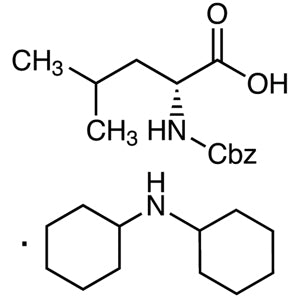
N-Carbobenzoxy-D-leucineDicyclohexylammoniumSalt TCI C2135
Regular price From Rp 610.050,00Regular price -
4-(p-Tolylthio)thieno[2,3-c]pyridine-2-carboxamide TCI T3498
Regular price From Rp 4.213.650,00Regular price -
BTT3033 TCI B5415
Regular price Rp 10.124.100,00Regular price

![144110-43-0 5-Bromo-6-chloro-3-indolyl beta-D-Glucuronide Cyclohexylammonium Salt [for Biochemical Research] - AMI Scientific](http://amiscientific.com/cdn/shop/files/TCI2510B4128.jpg?v=1769141773&width=533)
![114162-64-0 5-Bromo-4-chloro-3-indolyl beta-D-Glucuronide Cyclohexylammonium Salt [for Biochemical Research] - AMI Scientific](http://amiscientific.com/cdn/shop/files/TCI2510B3620.jpg?v=1771058086&width=533)
![114162-64-0 5-Bromo-4-chloro-3-indolyl beta-D-Glucuronide Cyclohexylammonium Salt [for Biochemical Research] - AMI Scientific](http://amiscientific.com/cdn/shop/files/TCI2510B3620_2449e1dc-cb66-419d-a3c0-6a7fd83b1d29.jpg?v=1771058286&width=533)
![Dansylsarcosine Cyclohexylammonium Salt [for Albumin binding assay] (CAS 2733745-64-5) - TCI D5883 - AMI Scientific](http://amiscientific.com/cdn/shop/files/TCI2510D5883.jpg?v=1767109387&width=533)

![251992-66-2 4-(p-Tolylthio)thieno[2,3-c]pyridine-2-carboxamide - AMI Scientific](http://amiscientific.com/cdn/shop/files/TCI2510T3498.jpg?v=1767144174&width=533)
![251992-66-2 4-(p-Tolylthio)thieno[2,3-c]pyridine-2-carboxamide - AMI Scientific](http://amiscientific.com/cdn/shop/files/TCI2510T3498_ff83aa00-e77d-4427-92df-ae99a39bd777.jpg?v=1772425406&width=533)
