Trimethyl phosphate (TCI P0271), with CAS number 512-56-1, is a versatile chemical compound widely used in laboratory settings for its role as a building block in organic synthesis. This compound is essential for chemists aiming to create complex molecules through substitution or esterification reactions. Its utility spans across various experimental applications, making it a fundamental component in both academic and industrial research environments. As a key reagent, it enables the formation of esters and phosphates, contributing to the development of new chemical structures and compounds.
The chemical properties of Trimethyl phosphate make it a preferred choice for laboratory use. It exhibits stability under normal conditions and possesses controlled reactivity, allowing for precise manipulation in chemical reactions. Its molecular structure is simple yet effective, enabling it to participate in reactions without interfering with other molecular components. Additionally, Trimethyl phosphate has good solubility in organic solvents, which enhances its usability in a wide range of experimental setups. These characteristics make it a reliable and efficient reagent for various chemical processes.
In Indonesian laboratories, Trimethyl phosphate is commonly used in chemical research, particularly in the synthesis of organic compounds and the development of new chemical products. It is a valuable resource for research institutions and educational facilities that require basic chemical building blocks for scientific experiments. Its availability and reliability support ongoing scientific inquiry and innovation in the field of chemistry.
- Organic synthesis applications benefit from Trimethyl phosphate due to its role in esterification and substitution reactions, enabling the creation of complex organic structures.
- It is widely used in the development of pharmaceutical compounds, where controlled reactivity and stability are critical for synthesizing active pharmaceutical ingredients.
- In analytical chemistry, Trimethyl phosphate serves as a reagent for the preparation of phosphate esters, which are essential in various qualitative and quantitative analyses.
- It supports research in material science by contributing to the synthesis of phosphorus-based polymers and coatings with specific functional properties.
- Environmental studies utilize Trimethyl phosphate as a component in the analysis of phosphate compounds, aiding in the study of nutrient cycles and pollution monitoring.
| Brand | TCI |
|---|---|
| CAS number | 512-56-1 |
| Molecular formula | — |
| Purity | — |
| Category | Chemistry > Building Blocks > Non-Heterocyclic Building Blocks |
| Pack sizes | Available in various quantities as per supplier specifications |
| Physical form | Liquid |
| Storage | Store in a cool, dry place away from direct sunlight |
Trimethyl phosphate should be stored in a cool, dry environment to maintain its chemical stability. It is recommended to keep it in a sealed container to prevent exposure to moisture and air. Suitable containers for storage include glass or high-density polyethylene (HDPE) bottles, which provide a barrier against chemical interactions. In laboratory settings, it is important to handle the compound with care, using appropriate personal protective equipment such as gloves and safety goggles. Avoid contact with incompatible materials, and ensure proper ventilation when working with this substance. Regular monitoring of storage conditions helps maintain the integrity and safety of the compound during its use.
—
Produk Terkait
-
TCI B5774 5,10-Bis(4,4,5,5-tetramethyl-1,3,2-dioxaborolan-2-yl)naphtho[1,2-c:5,6-c']bis([1,2,5]oxadiazole)
Regular price Rp 10.255.350,00Regular price -
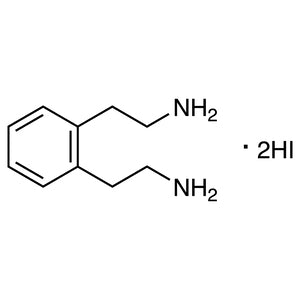
Dihydroiodide TCI B6569
Regular price From Rp 1.936.200,00Regular price -
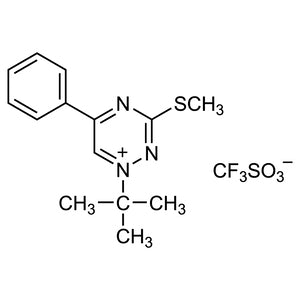
Trifluoromethanesulfonate TCI B7003
Regular price From Rp 1.936.200,00Regular price
![5,10-Bis(4,4,5,5-tetramethyl-1,3,2-dioxaborolan-2-yl)naphtho[1,2-c:5,6-c']bis([1,2,5]oxadiazole) - TCI B5774 - AMI Scientific](http://amiscientific.com/cdn/shop/files/TCI2510B5774.jpg?v=1769180228&width=533)