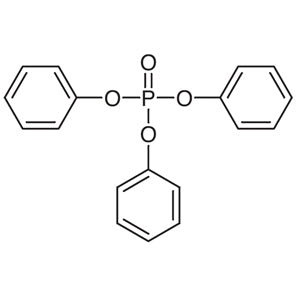
Triphenyl phosphate (TPP), with the CAS number 115-86-6, is a chemical compound widely used in laboratory experiments. As a fundamental building block in organic chemistry, TPP plays a crucial role in the synthesis of complex organic molecules. It is particularly valuable in substitution reactions and esterification processes, where it helps in the formation of esters and anhydrides. Its versatility makes it a key reagent in various chemical applications, including pharmaceutical and industrial research.
TPP is known for its chemical stability and controlled reactivity, which allows it to be used under a wide range of laboratory conditions. It does not readily decompose under normal circumstances, making it easy to store and handle. Additionally, TPP is considered non-toxic at normal dosages, ensuring a safer environment for laboratory work. These properties make it a preferred choice for researchers who require reliable and consistent chemical performance.
In Indonesian laboratories, TPP is commonly used in organic chemistry research, especially in the synthesis of bioactive compounds and industrial chemicals. It is also utilized in chemical quality testing and the development of new products that require specific chemical structures. Its widespread application highlights its importance in both academic and industrial research settings.
- Ester Synthesis: Triphenyl phosphate is ideal for esterification reactions due to its stability and controlled reactivity, enabling the formation of ester compounds with high purity.
- Organic Compound Synthesis: It serves as a key reagent in the synthesis of complex organic molecules, particularly in substitution reactions where functional group modification is required.
- Bioactive Compound Development: TPP is used in the creation of bioactive compounds, providing a reliable building block for pharmaceutical research and development.
- Industrial Chemical Production: Its chemical stability makes it suitable for the production of industrial chemicals, ensuring consistent results in large-scale manufacturing processes.
- Quality Testing of Chemicals: TPP is employed in the analysis and testing of chemical purity, helping to ensure the quality and consistency of chemical products.
| Brand | TCI |
|---|---|
| CAS number | 115-86-6 |
| Molecular formula | — |
| Purity | — |
| Category | Chemistry > Building Blocks > Non-Heterocyclic Building Blocks |
| Pack sizes | Available in various quantities as per supplier specifications |
| Physical form | Solid |
| Storage | Store in a cool, dry place away from direct sunlight |
Triphenyl phosphate should be stored in a cool, dry environment to maintain its chemical stability. It is recommended to keep it in a sealed container to prevent moisture absorption and contamination. Due to its non-toxic nature, it does not require special handling beyond standard laboratory safety protocols. However, it is advisable to avoid prolonged exposure to high temperatures and direct sunlight. Proper labeling of storage containers is essential to ensure safe access and use. Regular inspection of storage conditions is also recommended to maintain the integrity of the compound.
—
Produk Terkait
-
TCI B5774 5,10-Bis(4,4,5,5-tetramethyl-1,3,2-dioxaborolan-2-yl)naphtho[1,2-c:5,6-c']bis([1,2,5]oxadiazole)
Regular price Rp 10.255.350,00Regular price -
Dihydroiodide TCI B6569
Regular price From Rp 1.936.200,00Regular price -
Trifluoromethanesulfonate TCI B7003
Regular price From Rp 1.936.200,00Regular price
![5,10-Bis(4,4,5,5-tetramethyl-1,3,2-dioxaborolan-2-yl)naphtho[1,2-c:5,6-c']bis([1,2,5]oxadiazole) - TCI B5774 - AMI Scientific](http://amiscientific.com/cdn/shop/files/TCI2510B5774.jpg?v=1769180228&width=533)