


Aniline Hydrogen Phthalate is a chemical compound widely used as a foundational material in various chemical reactions and the synthesis of complex molecules. It plays a crucial role in laboratory settings, serving as a versatile reagent that can function as either an acid or a base depending on the reaction conditions. This compound is commonly found in chemical laboratories, where it is a key component in the production of aromatic compounds and their derivatives. Its chemical structure is stable, and it exhibits good solubility in organic solvents, making it highly suitable for a range of chemical processes.
One of the main reasons Aniline Hydrogen Phthalate is preferred is its chemical stability and solubility characteristics. These properties allow it to be easily incorporated into different chemical procedures, such as esterification reactions and the synthesis of heterocyclic compounds. Its ability to remain intact under various reaction conditions makes it ideal for applications requiring high stability. Additionally, its compatibility with a wide range of solvents enhances its utility in diverse laboratory environments.
In Indonesian laboratories, Aniline Hydrogen Phthalate is frequently used in chemical research, particularly in the fields of organic synthesis and qualitative analysis. Its availability and effectiveness in participating in relevant chemical reactions make it a preferred choice for local research needs. The compound's role in supporting both synthetic and analytical processes underscores its importance in the Indonesian scientific community.
Related TCI products
- TCI A0463 62-53-3 Aniline
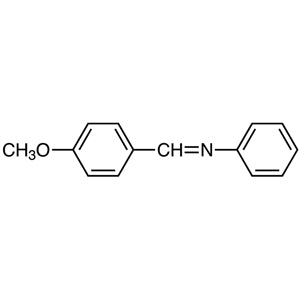
- TCI M0582 836-41-9 N-(4-Methoxybenzylidene)aniline
- TCI D0142 13532-96-2 4-Diazo-N-ethyl-N-(2-hydroxyethyl)aniline Chloride Zinc Chloride
- TCI B6650 5285-60-9 4,4'-Methylenebis[N-(sec-butyl)aniline]
- TCI P0309 877-24-7 Potassium Hydrogen Phthalate
- TCI C0692 6732-01-0 Cholesterol Hydrogen Phthalate
- Used in organic synthesis for its ability to participate in esterification reactions and the formation of aromatic derivatives.
- Applied in qualitative analysis due to its reactivity and stability in various chemical environments.
- Utilized in the preparation of heterocyclic compounds because of its structural compatibility with such molecules.
- Employed in chemical research for its role as a reagent that can act as both an acid and a base.
- Integrated into laboratory workflows where high chemical stability and solubility in organic solvents are required.
| Brand | TCI |
|---|---|
| CAS number | 50930-79-5 |
| Molecular formula | — |
| Purity | — |
| Category | Chemistry > Building Blocks > Non-Heterocyclic Building Blocks |
| Pack sizes | — |
| Physical form | — |
| Storage | Store in a cool, dry place away from moisture and direct sunlight. |
Aniline Hydrogen Phthalate should be stored in a cool, dry place, away from moisture and direct sunlight to maintain its chemical stability. It is recommended to use airtight containers to prevent exposure to air and humidity, which could affect its properties. As a chemical reagent, it should be handled with appropriate personal protective equipment, such as gloves and safety goggles, to ensure laboratory safety. While it is not classified as a hazardous substance under standard conditions, proper handling and storage are essential to prevent degradation and maintain its effectiveness in experimental applications. Always ensure that the storage area is well-ventilated to minimize any potential risks associated with its use in the laboratory.
—
Produk Terkait
-
Aniline TCI A0463
Regular price Rp 557.550,00Regular price -
N-(4-Methoxybenzylidene)aniline TCI M0582
Regular price From Rp 637.350,00Regular price -
4-Diazo-N-ethyl-N-(2-hydroxyethyl)anilineChlorideZincChloride TCI D0142
Regular price Rp 1.008.000,00Regular price -
4,4'-Methylenebis[N-(sec-butyl)aniline] TCI B6650
Regular price From Rp 1.008.000,00Regular price -
PotassiumHydrogenPhthalate TCI P0309
Regular price From Rp 477.750,00Regular price -
CholesterolHydrogenPhthalate TCI C0692
Regular price Rp 6.175.050,00Regular price -
MonohexylPhthalate TCI P1313
Regular price Rp 3.155.250,00Regular price -
MonobenzylPhthalate TCI P1191
Regular price Rp 3.232.950,00Regular price


![4,4'-Methylenebis[N-(sec-butyl)aniline] (CAS 5285-60-9) - TCI B6650 - AMI Scientific](http://amiscientific.com/cdn/shop/files/TCI2510B6650.jpg?v=1768816090&width=533)


