Potassium Hydrogen Phthalate (KHP) is a chemical compound widely used in laboratory experiments, particularly in quantitative analysis. As a primary standard, KHP is valued for its high purity and stable chemical properties, making it a reliable reference material for determining the concentration of acid or base solutions. Its consistent performance ensures accurate and reproducible results in various analytical procedures. KHP is especially favored in titration processes where precision is critical.
The chemical properties of KHP, including its simple molecular structure and controlled reactivity, make it easy to handle and measure. It remains chemically stable under normal conditions, which is essential for long-term storage and use. This stability, combined with its non-toxic nature, ensures a safe working environment in laboratories. These characteristics make KHP a preferred choice for both research and educational settings.
In Indonesian laboratories, KHP is commonly used across multiple disciplines, including analytical chemistry, pharmaceutical industries, and academic institutions. Its availability in the local market facilitates access for researchers and students, supporting both practical training and scientific investigations. KHP plays a vital role in maintaining the accuracy and reliability of laboratory work in Indonesia.
- Quantitative Analysis: KHP is used as a primary standard in titration to accurately determine the concentration of acids and bases due to its high purity and stability.
- Acid-Base Titration: Its controlled reactivity and stable nature make it ideal for standardizing solutions in acid-base titration experiments.
- Analytical Chemistry: KHP is a reliable reference material for calibrating instruments and ensuring the accuracy of analytical results.
- Pharmaceutical Research: It is used in the development and testing of pharmaceutical products to ensure the accuracy of chemical measurements.
- Educational Institutions: KHP is commonly used in teaching labs to demonstrate titration techniques and ensure students understand accurate measurement practices.
| Brand | TCI |
|---|---|
| CAS number | 877-24-7 |
| Molecular formula | — |
| Purity | — |
| Category | Chemistry > Building Blocks > Non-Heterocyclic Building Blocks |
| Pack sizes | Available in various quantities as per standard laboratory supply |
| Physical form | Solid |
| Storage | Store in a cool, dry place away from moisture and direct sunlight |
KHP should be stored in a cool, dry place, away from moisture and direct sunlight to maintain its chemical stability. It is recommended to use airtight containers to prevent exposure to humidity, which could affect its purity. Since KHP is non-toxic, it is generally safe to handle, but standard laboratory precautions should still be followed, such as wearing gloves and safety goggles. It is important to ensure that the storage area is well-ventilated to avoid any potential accumulation of airborne particles. Proper labeling of containers is essential to prevent confusion and ensure safe handling in a laboratory environment.
—
Produk Terkait
-
TCI B5774 5,10-Bis(4,4,5,5-tetramethyl-1,3,2-dioxaborolan-2-yl)naphtho[1,2-c:5,6-c']bis([1,2,5]oxadiazole)
Regular price Rp 10.255.350,00Regular price -
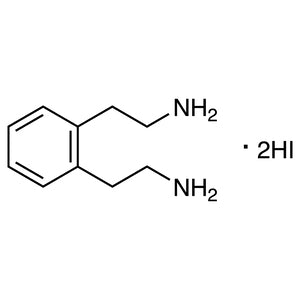
Dihydroiodide TCI B6569
Regular price From Rp 1.936.200,00Regular price -
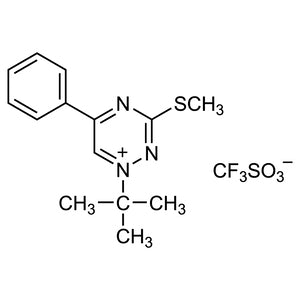
Trifluoromethanesulfonate TCI B7003
Regular price From Rp 1.936.200,00Regular price
![5,10-Bis(4,4,5,5-tetramethyl-1,3,2-dioxaborolan-2-yl)naphtho[1,2-c:5,6-c']bis([1,2,5]oxadiazole) - TCI B5774 - AMI Scientific](http://amiscientific.com/cdn/shop/files/TCI2510B5774.jpg?v=1769180228&width=533)