Monobutyl Phthalate Copper(II) Salt from TCI (product code P0676) is the copper(II) salt of monobutyl phthalate. In this compound, the copper ion is bound to the free carboxylate group of the monobutyl ester of phthalic acid. The material belongs to the non-heterocyclic building block category and is an example of a metal carboxylate. In the laboratory, it is useful as a source of Cu(II) ions carrying an organic ligand. Its organic character sets it apart from inorganic copper salts such as copper sulfate or copper chloride, which makes it a good fit for certain reaction systems where those simpler salts are not.
What makes this compound a preferred choice is the pairing of a copper(II) metal centre with a carboxylate ligand that carries a butyl ester chain. This ligand makes the compound more lipophilic, so it may mix more readily with organic media than inorganic copper salts do. That is useful when researchers need a copper source for reactions or formulations in nonpolar solvents, where inorganic salts often dissolve poorly. The compound is also a convenient subject for studying the coordination chemistry of copper carboxylates, since it combines a familiar transition-metal centre with a well-defined organic ligand framework.
In Indonesia, this material suits inorganic and coordination chemistry laboratories at universities, catalysis research groups looking at alternative copper sources, and laboratories working on organometallic and materials chemistry. Academic researchers can use it in teaching and research on metal carboxylate complexes. Applied research groups may test it as a copper precursor that works with organic solvent systems. Because it is supplied under the TCI brand, laboratories get a consistent, well-documented research-grade reagent for their experiments.
Related TCI products
- Copper(II) ion source in organic media: the lipophilic butyl ester ligand may let this salt mix more readily with nonpolar solvents than inorganic copper sulfate or chloride.
- Coordination chemistry studies: as a well-defined copper carboxylate, it is a useful model for studying how Cu(II) centres bind to carboxylate ligands and how they behave structurally.
- Exploratory catalysis research: catalysis groups looking at alternative copper sources can test this organically ligated salt in reaction systems where inorganic copper salts work poorly.
- Teaching metal carboxylate chemistry: in university courses, it gives students a clear example of a metal centre bound to the free carboxylate of a phthalic acid monoester.
- Materials and formulation research: its copper(II) centre and organic-compatible ligand make it a candidate precursor when developing copper-containing formulations in nonpolar solvent systems.
| Brand | TCI (product code P0676) |
|---|---|
| CAS number | 25215-53-6 |
| Molecular formula | — |
| Purity | — |
| Category | Chemistry > Building Blocks > Non-Heterocyclic Building Blocks |
| Pack sizes | please confirm the available pack sizes with AMI Scientific when ordering |
| Physical form | see the TCI product specification and Certificate of Analysis |
| Storage | keep tightly closed in a cool, dry place, following the supplier's label instructions |
Store Monobutyl Phthalate Copper(II) Salt in its original, tightly sealed container in a cool, dry, well-ventilated area away from direct sunlight and moisture. Keep it away from strong oxidizing agents and incompatible materials, and follow any storage conditions printed on the TCI label. When handling, wear standard laboratory personal protective equipment, including safety glasses, chemical-resistant gloves, and a lab coat. Weigh and transfer the material in a fume hood or a well-ventilated area to avoid inhaling dust, and avoid contact with skin and eyes. Copper compounds should not be released into drains or the environment, so collect waste and dispose of it according to local regulations. Always read the Safety Data Sheet (SDS) before use for full hazard and first-aid information.
—
Produk Terkait
-
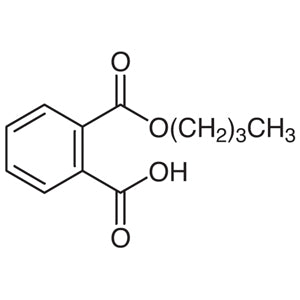
MonobutylPhthalate TCI P1132
Regular price From Rp 903.000,00Regular price -
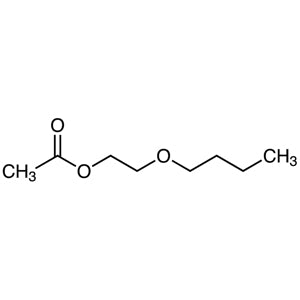
EthyleneGlycolMonobutylEtherAcetate TCI B0700
Regular price From Rp 452.550,00Regular price -
MonobutylItaconate TCI I0267
Regular price From Rp 1.961.400,00Regular price -
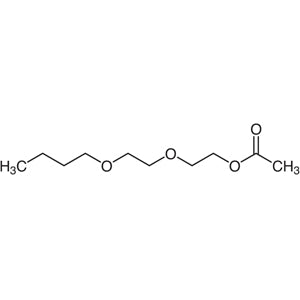
DiethyleneGlycolMonobutylEtherAcetate TCI D0499
Regular price From Rp 477.750,00Regular price -
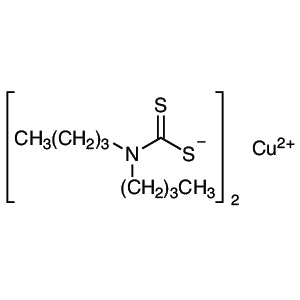
Copper(II)Dibutyldithiocarbamate TCI B6182
Regular price Rp 848.400,00Regular price -
MonohexylPhthalate TCI P1313
Regular price Rp 3.155.250,00Regular price -
MonobenzylPhthalate TCI P1191
Regular price Rp 3.232.950,00Regular price -
Bis(2-methoxyethyl)Phthalate TCI P0965
Regular price From Rp 530.250,00Regular price