

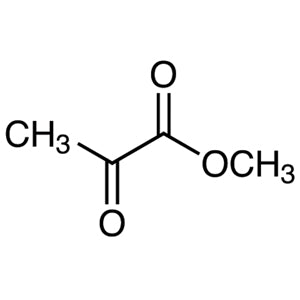
Methyl Pyruvate (TCI P0580, CAS 600-22-6) is a chemical compound widely used in laboratory settings for its versatility in organic synthesis. As a building block in chemistry, it serves as a foundational material for creating more complex organic compounds. Its unique structure, featuring a carbonyl group, allows it to participate in various chemical reactions such as substitution and redox processes. This makes it an essential tool for researchers aiming to develop new compounds or conduct detailed chemical analyses.
One of the key properties that make Methyl Pyruvate a preferred choice is its chemical stability under controlled conditions. However, it is also highly reactive when exposed to high temperatures or oxidizing agents. This reactivity is advantageous in applications requiring precise chemical control. Additionally, its distinct aroma may influence certain analytical procedures, particularly those involving separation techniques. These characteristics make it a reliable and effective component in a variety of chemical experiments.
In Indonesian laboratories, Methyl Pyruvate is commonly used in research related to bioactive compound synthesis, drug development, and chemical analysis. Its availability locally supports scientific work by reducing the need for imports. This accessibility ensures that researchers in Indonesia can conduct experiments efficiently and effectively without logistical challenges. Its role in advancing chemical research is significant, especially in fields like pharmacology and biochemistry.
- Organic synthesis applications benefit from Methyl Pyruvate's ability to participate in substitution and redox reactions, enabling the creation of complex organic molecules.
- Drug development research utilizes this compound as a building block for synthesizing bioactive compounds with potential therapeutic applications.
- Chemical analysis procedures often incorporate Methyl Pyruvate due to its reactivity and distinct aroma, which can aid in separation and identification techniques.
- Biochemical studies leverage its structural properties to investigate metabolic pathways and enzyme interactions in biological systems.
- Industrial chemical processes use Methyl Pyruvate for the production of specialty chemicals and intermediates in various manufacturing applications.
| Brand | TCI |
|---|---|
| CAS number | 600-22-6 |
| Molecular formula | — |
| Purity | — |
| Category | Chemistry > Building Blocks > Non-Heterocyclic Building Blocks |
| Pack sizes | Available in various quantities as per standard laboratory supply options |
| Physical form | Liquid |
| Storage | Store in a cool, dry place away from direct sunlight and oxidizing agents |
Methyl Pyruvate should be stored in a cool, dry environment to maintain its chemical stability. It is recommended to keep it in a tightly sealed container to prevent exposure to air and moisture. Due to its reactivity, it should be stored away from oxidizing agents and high-temperature sources. Laboratory personnel should handle the compound with care, using appropriate personal protective equipment. Proper labeling and storage conditions ensure the safety of both the compound and the laboratory environment. Regular monitoring of storage conditions is advised to maintain the integrity of the material.
—
Produk Terkait
-
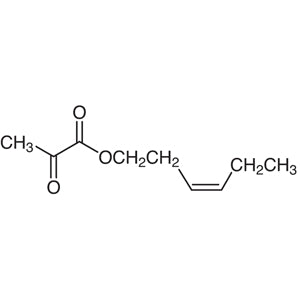
cis-3-HexenylPyruvate TCI P0894
Regular price Rp 2.545.200,00Regular price -
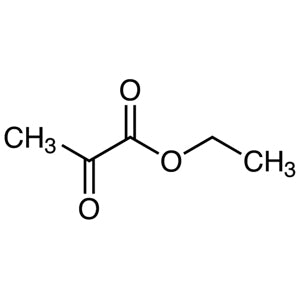
EthylPyruvate TCI P0891
Regular price From Rp 530.250,00Regular price -
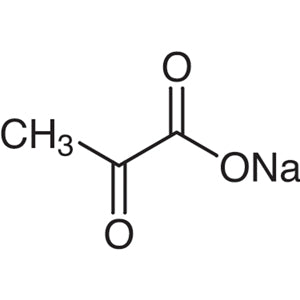
SodiumPyruvate TCI P0582
Regular price From Rp 505.050,00Regular price -
LithiumPyruvateMonohydrate[GuaranteedforStandardtoGOT,GPT] TCI P0659
Regular price Rp 2.094.750,00Regular price
![2922-61-4 Lithium Pyruvate Monohydrate [Guaranteed for Standard to GOT, GPT] - AMI Scientific](http://amiscientific.com/cdn/shop/files/TCI2510P0659.jpg?v=1767133566&width=533)