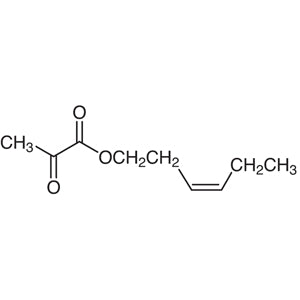
TCI P0894 68133-76-6 cis-3-Hexenyl Pyruvate is a chemical compound widely used in organic reactions for the synthesis of complex molecules. It serves as a versatile building block in chemical laboratories, enabling the creation of various functional groups and derivatives. This compound is particularly valuable for researchers working in synthetic chemistry due to its reactivity and compatibility with multiple reaction conditions. Its role in laboratory settings is critical for the development of new compounds with specific properties, making it an essential tool for both academic and industrial research.
The compound’s unique molecular structure contributes to its high reactivity, allowing it to participate in a range of chemical transformations. It is well-suited for reactions such as esterification, hydrolysis, and cross-coupling, which are fundamental in organic synthesis. Its chemical properties make it a preferred choice for laboratories that require reliable and efficient reagents for complex molecule synthesis. The availability of this compound in liquid form also enhances its usability in various experimental procedures, ensuring ease of handling and integration into different synthetic pathways.
In Indonesian laboratories, TCI P0894 68133-76-6 cis-3-Hexenyl Pyruvate is commonly used in organic chemistry research, particularly in higher education institutions and research organizations. It plays a key role in the development of new chemical products with applications in pharmaceuticals, food industry, and fragrance development. Its presence in laboratory workflows supports the advancement of scientific research and innovation in various sectors.
- Synthesis of aromatic compounds for the development of cosmetic and food products due to its reactivity in esterification and cross-coupling reactions.
- Organic synthesis in academic and industrial research for creating complex molecules with specific functional groups.
- Development of pharmaceutical compounds through its participation in hydrolysis and other chemical transformations.
- Flavor and fragrance industry applications for the production of aromatic compounds used in perfumes and food additives.
- Research in chemical synthesis for the creation of novel materials and industrial chemicals with tailored properties.
| Brand | TCI |
|---|---|
| CAS number | 68133-76-6 |
| Molecular formula | — |
| Purity | — |
| Category | Chemistry > Building Blocks > Non-Heterocyclic Building Blocks |
| Pack sizes | Available in various quantities as per supplier specifications |
| Physical form | Liquid |
| Storage | Store in a cool, dry place away from direct sunlight and incompatible materials |
This compound should be stored in a cool, dry environment to maintain its chemical stability and prevent degradation. It is recommended to use airtight containers made of materials that are chemically inert, such as glass or high-density polyethylene, to minimize exposure to moisture and air. Handling should be done with appropriate personal protective equipment, including gloves and safety goggles, to ensure safety in laboratory settings. Avoid contact with incompatible substances such as strong oxidizing agents or acids. Proper ventilation is also essential when working with this compound to reduce the risk of inhalation of vapors. Always follow standard laboratory safety protocols to ensure safe handling and storage.
—
Produk Terkait
-
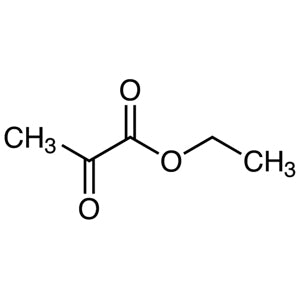
EthylPyruvate TCI P0891
Regular price From Rp 530.250,00Regular price -
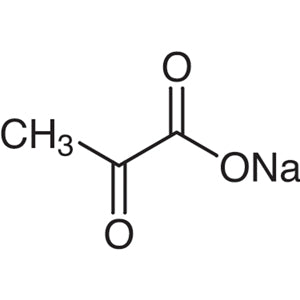
SodiumPyruvate TCI P0582
Regular price From Rp 505.050,00Regular price -
MethylPyruvate TCI P0580
Regular price From Rp 505.050,00Regular price -
trans-2-HexenylButyrate TCI B1075
Regular price Rp 2.254.350,00Regular price -
5-HexenylAcetate TCI A1338
Regular price From Rp 1.776.600,00Regular price -
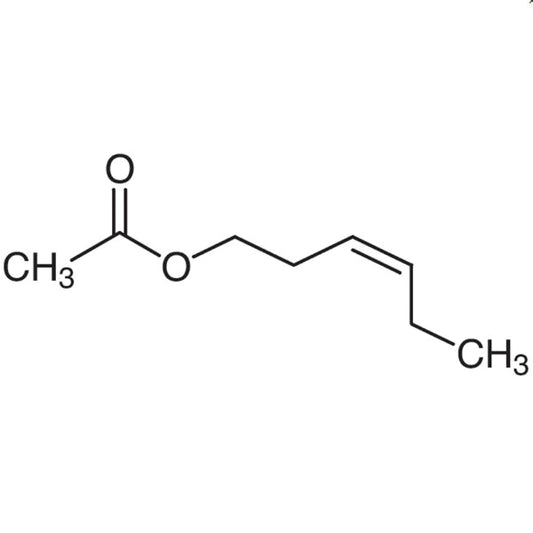
cis-3-HexenylAcetate TCI A0888
Regular price Rp 1.326.150,00Regular price -
trans-2-HexenylAcetate TCI A0877
Regular price Rp 980.700,00Regular price -
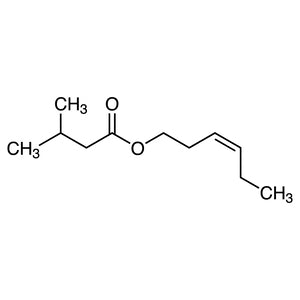
cis-3-HexenylIsovalerate TCI I0307
Regular price Rp 1.035.300,00Regular price