4-Propylphenol from TCI, product code P0698 (CAS 645-56-7), is an alkylphenol. Its structure is a phenol ring with a propyl group para to the hydroxyl group. In the laboratory it serves as a building block for organic synthesis and as an important model compound in lignin valorization research. 4-Propylphenol is a typical product of lignin depolymerization and hydrogenolysis, so researchers often use it as a reference compound in studies that convert biomass into renewable chemicals and fuels. It is also studied in flavor and fragrance work and used as an analytical reference standard for alkylphenols.
Researchers choose this compound because its structure is simple but still represents the phenolic units found in lignin. The phenolic hydroxyl group is weakly acidic and can be alkylated or acylated, or used to direct aromatic substitution. The propyl chain makes the molecule lipophilic and mimics the natural side chain of phenylpropanoid units. This makes 4-propylphenol a good model substrate for hydrodeoxygenation reactions that test catalyst activity and selectivity. Its melting point is relatively low, so the material may be a solid or a liquid depending on room temperature.
Indonesia has abundant biomass resources, which makes lignin conversion and renewable chemicals an active research area in the country. University laboratories, catalysis research groups, and biomass and bioenergy research centres in Indonesia can use 4-propylphenol as a model substrate for catalyst screening, as a reference compound when identifying lignin depolymerization products, and as a starting material for synthesizing phenolic derivatives. Analytical laboratories can also use it as a comparison standard when identifying and quantifying alkylphenols in chromatographic methods.
- Lignin valorization research: 4-propylphenol is a typical product of lignin depolymerization and hydrogenolysis, so it is a reliable reference compound for identifying and tracking products in biomass conversion studies.
- Hydrodeoxygenation catalyst testing: its simple structure, phenolic hydroxyl group, and propyl side chain make it a good model substrate for comparing catalyst activity and selectivity under controlled conditions.
- Organic synthesis building block: the phenolic hydroxyl group can be alkylated or acylated, or used to direct aromatic substitution, giving chemists a flexible starting point for para-substituted phenol derivatives.
- Flavor and fragrance studies: the compound is studied in aroma research, where an alkylphenol of defined structure helps researchers investigate structure–odor relationships and characterize aromatic samples.
- Analytical reference standard: as a well-defined alkylphenol, it can serve as a comparison standard to confirm retention times and support identification of alkylphenols in chromatographic and spectroscopic analyses.
| Brand | TCI (product code P0698) |
|---|---|
| CAS number | 645-56-7 |
| Molecular formula | — |
| Purity | — |
| Category | Chemistry > Building Blocks > Non-Heterocyclic Building Blocks |
| Pack sizes | see the product listing for available pack options |
| Physical form | low-melting material that may be solid or liquid depending on room temperature |
| Storage | keep tightly closed in a cool, dry place; follow the manufacturer's label and SDS |
Store 4-propylphenol in its original, tightly sealed container in a cool, dry, well-ventilated area, away from direct sunlight, heat sources, and incompatible materials such as strong oxidizing agents. Because the material has a low melting point, it may melt or solidify as room temperature changes. Warm it gently and evenly if a homogeneous sample is needed. Use glass or other chemically resistant containers when transferring or preparing solutions. Like other phenols, it can irritate skin, eyes, and the respiratory tract, so wear gloves, safety glasses, and a lab coat, and handle it in a fume hood or another well-ventilated area. Avoid breathing vapors and avoid direct contact. Read the manufacturer's Safety Data Sheet before use, and dispose of waste according to local regulations and your laboratory's chemical waste procedures.
—
Produk Terkait
-
TCI B5774 5,10-Bis(4,4,5,5-tetramethyl-1,3,2-dioxaborolan-2-yl)naphtho[1,2-c:5,6-c']bis([1,2,5]oxadiazole)
Regular price Rp 10.255.350,00Regular price -
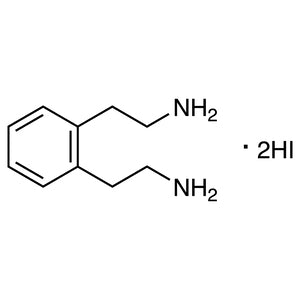
Dihydroiodide TCI B6569
Regular price From Rp 1.936.200,00Regular price -
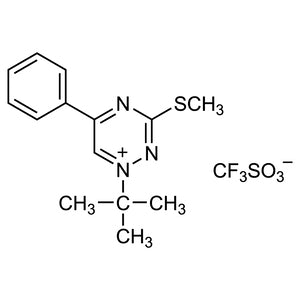
Trifluoromethanesulfonate TCI B7003
Regular price From Rp 1.936.200,00Regular price
![5,10-Bis(4,4,5,5-tetramethyl-1,3,2-dioxaborolan-2-yl)naphtho[1,2-c:5,6-c']bis([1,2,5]oxadiazole) - TCI B5774 - AMI Scientific](http://amiscientific.com/cdn/shop/files/TCI2510B5774.jpg?v=1769180228&width=533)