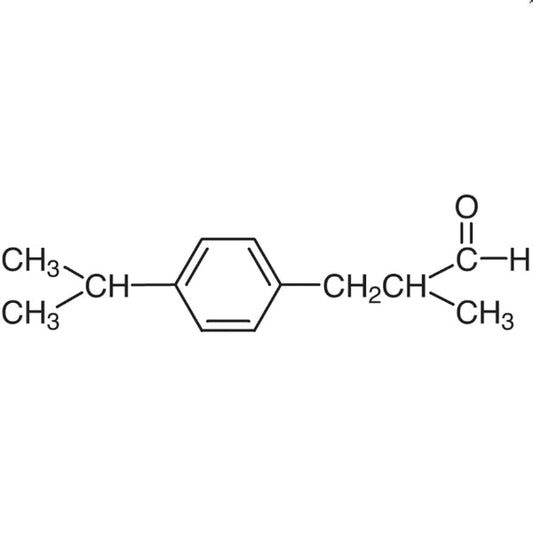
2,6-Diisopropylphenol is a chemical compound widely used in laboratory settings for its role in constructing complex molecular structures. As a building block in organic chemistry, it serves as a versatile intermediate in various synthetic pathways. Its phenolic core allows for participation in substitution, oxidation, and other reactions, making it a valuable tool for chemists aiming to develop new compounds. This compound is particularly useful in applications requiring controlled reactivity and structural stability.
The chemical properties of 2,6-Diisopropylphenol make it a preferred choice in laboratory environments. It exhibits stability under certain conditions but remains sensitive to oxidation and excessive chemical reactions. This balance of reactivity and stability allows it to be used in a wide range of experimental setups. Its phenolic structure also contributes to its chemical resilience, ensuring it remains effective in diverse reaction conditions. These characteristics make it a reliable component in both academic and industrial research settings.
In Indonesian laboratories, 2,6-Diisopropylphenol is commonly used in organic chemistry research. It plays a key role in the development of new compounds and the synthesis of intermediate chemicals. Its application extends to the production of industrial chemical precursors, supporting both academic and commercial chemical processes. Its availability and chemical versatility make it a staple in many research laboratories across Indonesia.
TCI brochures (PDF)
- Fluorescent Probes for the Characterization of Two Specific Drug Binding Sites on HSA 2025-04-01 · p. 4
- Pharmaceutical Ingredients for Research and Experimental Use 2026-03-09 · p. 44
- Organic synthesis for constructing complex molecular frameworks due to its phenolic core and reactivity.
- Development of new chemical compounds requiring stable and reactive building blocks for functional group introduction.
- Preparation of intermediate chemicals used in the production of industrial and pharmaceutical products.
- Research in chemical engineering for the creation of novel materials with specific structural properties.
- Educational purposes in teaching organic chemistry principles and synthetic methodologies to students.
| Brand | TCI |
|---|---|
| CAS number | 2078-54-8 |
| Molecular formula | — |
| Purity | — |
| Category | Chemistry > Building Blocks > Non-Heterocyclic Building Blocks |
| Pack sizes | Available in various quantities as per supplier specifications |
| Physical form | Solid or liquid depending on the specific product variant |
| Storage | Store in a cool, dry place away from direct sunlight and incompatible materials |
2,6-Diisopropylphenol should be stored in a cool, dry environment to maintain its chemical stability. It is recommended to keep it in airtight containers to prevent exposure to moisture and air, which may lead to oxidation. Due to its sensitivity, it should be stored away from strong oxidizing agents and incompatible substances. Laboratory personnel should handle the compound with appropriate personal protective equipment, such as gloves and safety goggles, to ensure safety. Regular monitoring of storage conditions is advised to maintain the integrity of the material and prevent any potential hazards.
References cited in the TCI brochure
- Jamie Ghuman. Structural Basis of the Drug-binding Specificity of Human Serum Albumin Journal of Molecular Biology, 2005. doi:10.1016/j.jmb.2005.07.075
- Masaki OTAGIRI. Study on Binding of Drug to Serum Protein YAKUGAKU ZASSHI, 2009. doi:10.1248/yakushi.129.413
Product Categories
Produk Terkait
-
4-Propylphenol TCI P0698
Regular price From Rp 903.000,00Regular price -
2-Propylphenol TCI P0530
Regular price Rp 1.749.300,00Regular price -
4-Isopropylphenol TCI I0262
Regular price From Rp 2.041.200,00Regular price -
2-Isopropylphenol TCI I0173
Regular price From Rp 530.250,00Regular price -
4'-Hydroxyacetanilide TCI H0190
Regular price From Rp 769.650,00Regular price -
Bis(2,6-diisopropylphenyl)carbodiimide TCI B2756
Regular price From Rp 584.850,00Regular price -
3-(4-Isopropylphenyl)isobutyraldehyde TCI I0377
Regular price Rp 1.115.100,00Regular price -
3-(3-Isopropylphenyl)butanal TCI F1415
Regular price Rp 3.100.650,00Regular price