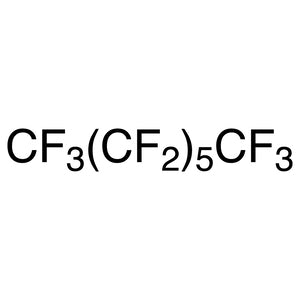
Tetradecafluorohexane is a fluorinated chemical compound widely used in laboratory experiments, particularly in the synthesis of organofluorine compounds. As a fluorinated building block, it plays a crucial role in the development of complex chemical structures across various scientific disciplines. Its unique molecular structure, consisting of a carbon chain surrounded by fluorine atoms, makes it a versatile reagent in organic chemistry. This compound is especially valuable for researchers seeking stable and reactive materials for synthetic processes.
The chemical stability and low reactivity of Tetradecafluorohexane make it a preferred choice in controlled laboratory environments. Its inert nature allows it to be used in a wide range of reactions without interfering with the desired chemical outcomes. Additionally, its high boiling point and non-flammable properties contribute to its safety profile, making it suitable for use in high-temperature or high-risk experimental setups. These characteristics ensure that it remains a reliable and safe material for laboratory applications.
In Indonesian laboratories, Tetradecafluorohexane is commonly used in scientific research, particularly in the fields of organic chemistry and pharmaceutical development. It is a key reagent in the synthesis of fluorinated compounds, which are essential in drug discovery and material science. Its availability in the local market ensures that researchers and institutions can access this compound for their experiments, supporting ongoing scientific advancements in the region.
Advantages (TCI brochure)
- Forms a biphase with acetonitrile; the fluorous phase containing catalyst is reusable
TCI brochures (PDF)
- Fluorous Chemistry 2025-01-21 · p. 3
Related TCI products
- Organic synthesis applications benefit from Tetradecafluorohexane due to its stability and ability to participate in controlled fluorination reactions.
- Pharmaceutical research utilizes this compound for the development of fluorinated drug molecules, enhancing bioavailability and metabolic stability.
- Material science experiments often incorporate Tetradecafluorohexane to create fluorinated polymers with unique surface properties and chemical resistance.
- Analytical chemistry uses this compound as a standard for gas chromatography and mass spectrometry due to its predictable behavior and purity.
- Environmental studies may employ Tetradecafluorohexane to investigate the fate and behavior of fluorinated compounds in ecosystems.
From the TCI brochure
- Epoxidation of olefins with molecular oxygen catalyzed by fluorous porphyrin-cobalt complex
| Brand | TCI |
|---|---|
| CAS number | 355-42-0 |
| Molecular formula | — |
| Purity | — |
| Category | Chemistry > Building Blocks > Fluorinated Building Blocks |
| Pack sizes | Available in various sizes as per standard laboratory supply |
| Physical form | Liquid |
| Storage | Store in a cool, dry place away from direct sunlight and heat sources |
Data from the TCI brochure
| Conversion / Selectivity | 100% / >95% (run 1); 100% / >95% (run 2) (3, O2, iPrCHO, P0839/MeCN, 25°C, 3 h) |
|---|
Source: TCI brochure R5064 (2025-01-21)
Tetradecafluorohexane should be stored in a cool, dry environment, away from direct sunlight and heat sources to maintain its chemical stability. It is recommended to use sealed, airtight containers made of materials compatible with fluorinated compounds, such as glass or high-density polyethylene. Due to its non-flammable nature, it does not require special fire suppression systems, but general laboratory safety protocols should still be followed. When handling, ensure proper ventilation and use appropriate personal protective equipment to minimize exposure. This compound is not reactive under normal conditions, but it is advisable to keep it away from strong oxidizing agents to prevent any potential interactions. Its high boiling point ensures it remains stable during storage and use, making it a safe and reliable choice for laboratory applications.
—
Produk Terkait
-
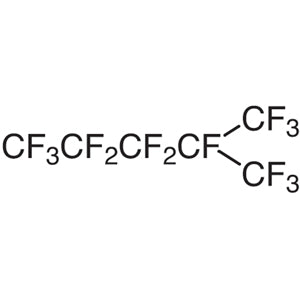
Tetradecafluoro-2-methylpentane TCI T1012
Regular price Rp 2.704.800,00Regular price -
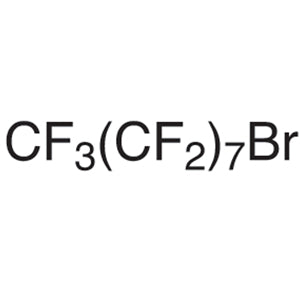
Heptadecafluoro-n-octylBromide TCI H0946
Regular price From Rp 980.700,00Regular price -
Hexadecafluoroheptane(mixtureofisomers) TCI P0851
Regular price Rp 955.500,00Regular price -
Octadecafluorooctane TCI O0268
Regular price Rp 1.326.150,00Regular price -
1H-Tridecafluorohexane TCI T2496
Regular price Rp 2.969.400,00Regular price -
1,6-Dibromododecafluorohexane TCI D3572
Regular price From Rp 1.644.300,00Regular price -
UndecafluorohexanoicAcid TCI U0067
Regular price From Rp 2.227.050,00Regular price -
1H,1H-Undecafluoro-1-hexanol TCI U0074
Regular price Rp 3.207.750,00Regular price