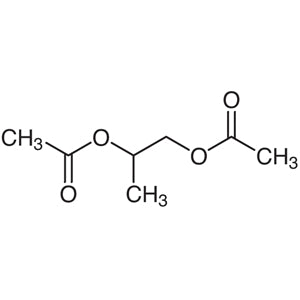
1,2-Diacetoxypropane is a chemical compound widely used in organic synthesis reactions, particularly in the formation of heterocyclic compounds and complex molecular structures. It serves as a versatile building block in chemical laboratories, enabling a range of synthetic pathways. This compound is commonly utilized in substitution reactions, hydrolysis reactions, and ester formation, making it an essential reagent for chemists. Its stability and reactivity make it a valuable component in both academic and industrial research settings.
The properties of 1,2-Diacetoxypropane that make it a preferred choice include its molecular stability and ability to participate in various chemical reactions without significant degradation. Its reactivity allows it to form bonds with a wide range of functional groups, enhancing its utility in synthetic chemistry. Additionally, its availability in liquid form and ease of handling contribute to its practicality in laboratory environments. These characteristics make it an ideal reagent for researchers seeking flexibility and reliability in their chemical processes.
In Indonesian laboratories, 1,2-Diacetoxypropane plays a crucial role in the development of new compounds, particularly in pharmaceutical research, industrial chemical production, and material science. It is frequently used in educational institutions and research centers to support experimental work and training. Its presence in these settings underscores its importance as a fundamental reagent in the advancement of chemical knowledge and innovation.
- Organic synthesis for the creation of heterocyclic compounds due to its reactivity and structural versatility.
- Ester formation reactions as a key intermediate in the synthesis of various organic compounds.
- Substitution reactions in the development of new chemical structures and functionalized molecules.
- Hydrolysis processes to modify functional groups and create more complex molecular architectures.
- Research in pharmaceutical and industrial chemistry for the production of specialized chemical products.
| Brand | TCI |
|---|---|
| CAS number | 623-84-7 |
| Molecular formula | — |
| Purity | — |
| Category | Chemistry > Building Blocks > Non-Heterocyclic Building Blocks |
| Pack sizes | Available in standard laboratory quantities as per supplier specifications |
| Physical form | Liquid |
| Storage | Store in a cool, dry place away from direct sunlight and incompatible materials |
1,2-Diacetoxypropane should be stored in a cool, dry environment to maintain its chemical stability. It is recommended to keep the compound in a tightly sealed container to prevent exposure to moisture and air. Due to its reactivity, it should be stored away from strong oxidizing agents and incompatible substances. Proper ventilation is essential when handling this material to minimize inhalation risks. Laboratory personnel should wear appropriate personal protective equipment, including gloves and safety goggles, when working with this compound. Regular monitoring of storage conditions ensures the material remains safe and effective for use in chemical experiments.
—
Produk Terkait
-
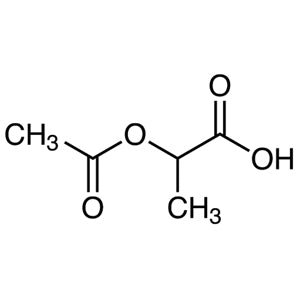
2-AcetoxypropionicAcid TCI A2931
Regular price From Rp 1.220.100,00Regular price -
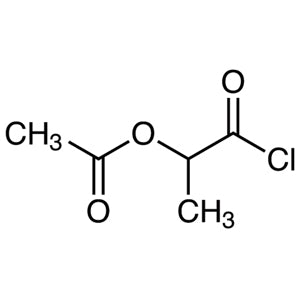
2-AcetoxypropionylChloride TCI A2932
Regular price From Rp 2.677.500,00Regular price -
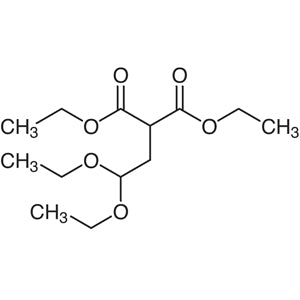
Diethyl3,3-Diethoxypropane-1,1-dicarboxylate TCI D2438
Regular price From Rp 1.803.900,00Regular price -
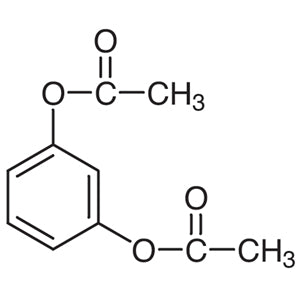
1,3-Diacetoxybenzene TCI R0046
Regular price From Rp 795.900,00Regular price -
1,5-Diacetoxypentane TCI P1238
Regular price From Rp 848.400,00Regular price -
1,2-Diacetoxybenzene TCI D2044
Regular price Rp 3.605.700,00Regular price -
3,4-Diacetoxybenzaldehyde TCI D2042
Regular price From Rp 2.466.450,00Regular price -
1,4-Diacetoxybenzene TCI D1803
Regular price From Rp 1.035.300,00Regular price