


N-Phenylmethacrylamide (N-PMMA) is a chemical compound widely utilized in materials science and polymer chemistry. It functions as a monomer in the synthesis of polymers, particularly in polymerization reactions that yield compounds with complex structures and specific mechanical properties. In laboratory settings, N-PMMA is essential for the development of polymers with tailored characteristics, enabling applications in diverse fields such as medicine, electronics, and construction materials. Its role in creating advanced polymer systems makes it a fundamental component in modern polymer research.
The chemical properties of N-PMMA make it a preferred choice for polymer synthesis. It exhibits a stable chemical structure and good reactivity under various reaction conditions. The compound is colorless and dissolves well in organic solvents such as ethyl acrylate and methanol. These characteristics allow for precise control over polymerization processes, ensuring the desired reactivity and stability of the resulting materials. Its solubility and reactivity are key factors in its widespread use in laboratory experiments.
In Indonesian laboratories, N-Phenylmethacrylamide is commonly used in polymer and composite material research. It is a popular choice due to its availability, affordability, and ease of use. Researchers in educational and research institutions across Indonesia rely on N-PMMA for experiments that require reliable and consistent polymer synthesis. Its versatility and performance make it an essential reagent in the study of advanced materials.
- Polymer synthesis for creating materials with specific mechanical properties and structural complexity.
- Development of medical-grade polymers used in drug delivery systems and biomedical devices.
- Fabrication of electronic components requiring insulating or conductive polymer materials.
- Research into composite materials for construction and industrial applications.
- Investigation of polymer behavior under varying environmental conditions for material optimization.
| Brand | TCI |
|---|---|
| CAS number | 1611-83-2 |
| Molecular formula | — |
| Purity | — |
| Category | Materials Science > Polymer/Macromolecule Reagents > Monomers |
| Pack sizes | Available in various quantities as per supplier specifications |
| Physical form | Solid powder |
| Storage | Store in a cool, dry place away from direct sunlight |
N-Phenylmethacrylamide should be stored in a cool, dry environment to maintain its chemical stability. It is recommended to keep the compound in a sealed container to prevent exposure to moisture and air. Suitable storage containers include glass or high-density polyethylene (HDPE) bottles to ensure chemical integrity. In laboratory settings, it is important to handle the material with appropriate personal protective equipment, such as gloves and safety goggles, to avoid direct contact. Proper ventilation should be maintained when working with the compound to minimize inhalation risks. Regular inspection of storage conditions is advised to ensure the material remains in optimal condition for use.
—
Produk Terkait
-
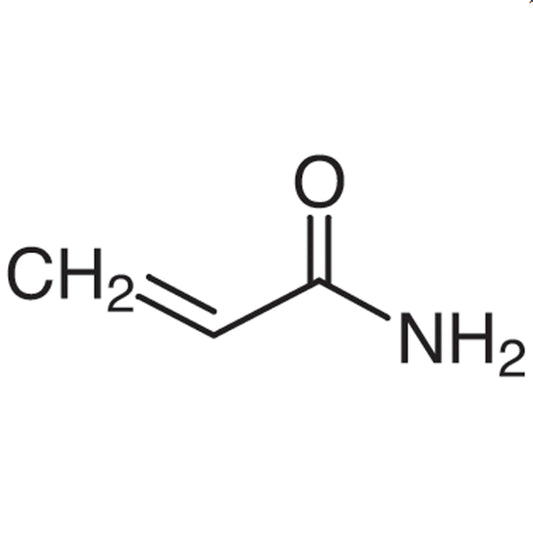
AcrylamideMonomer TCI A0139
Regular price From Rp 505.050,00Regular price -
N-(4-Hydroxyphenyl)methacrylamide TCI H1164
Regular price Rp 2.757.300,00Regular price -
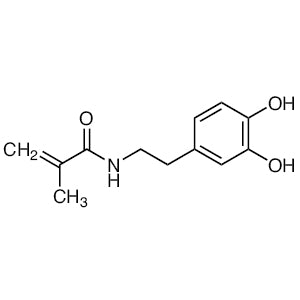
N-(3,4-Dihydroxyphenethyl)methacrylamide TCI D5907
Regular price From Rp 2.466.450,00Regular price -
N-[3-(4,4,5,5-Tetramethyl-1,3,2-dioxaborolan-2-yl)phenyl]acrylamide TCI T3826
Regular price From Rp 2.677.500,00Regular price -
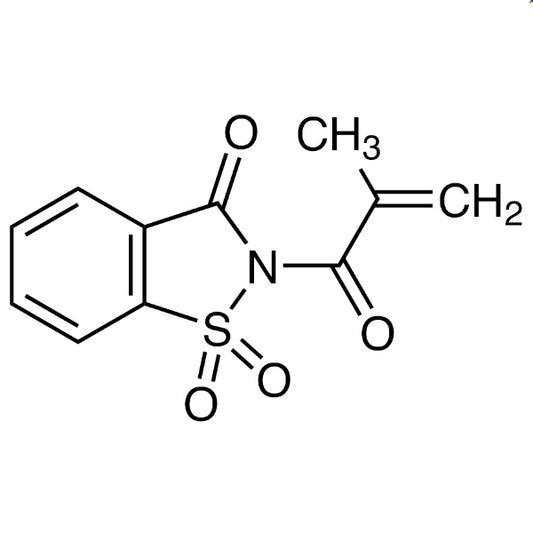
SaccharinMethacrylamide TCI A3463
Regular price From Rp 3.605.700,00Regular price -
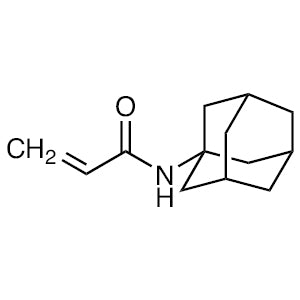
N-(1-Adamantyl)acrylamide TCI A3438
Regular price Rp 3.630.900,00Regular price -
N-Phenylacrylamide TCI P2093
Regular price From Rp 2.730.000,00Regular price -
N-[4-Cyano-3-(trifluoromethyl)phenyl]methacrylamide TCI C3188
Regular price From Rp 823.200,00Regular price


![874363-18-5 N-[3-(4,4,5,5-Tetramethyl-1,3,2-dioxaborolan-2-yl)phenyl]acrylamide - AMI Scientific](http://amiscientific.com/cdn/shop/files/TCI2510T3826.jpg?v=1769143777&width=533)


![N-[4-Cyano-3-(trifluoromethyl)phenyl]methacrylamide (CAS 90357-53-2) - TCI C3188 - AMI Scientific](http://amiscientific.com/cdn/shop/files/TCI2510C3188.jpg?v=1768817044&width=533)