


N-Phenylacrylamide is a chemical compound widely used in scientific and industrial applications, particularly in the fields of materials science and polymer chemistry. As a monomer, it plays a crucial role in the synthesis of polymers, which are essential in research and development of new materials. In the laboratory, this compound serves as a foundational element for creating polymers with specific properties, such as elasticity or environmental resistance. Its chemical structure is stable, allowing it to react with various initiators or catalysts to form long polymer chains. This versatility makes it a valuable tool for researchers seeking to control the structure and characteristics of materials.
N-Phenylacrylamide is preferred due to its excellent chemical properties and solubility in organic solvents. These characteristics facilitate efficient synthesis and manipulation processes in the laboratory. Its ability to form long polymer chains enables precise control over the final material's properties, making it ideal for applications requiring tailored performance. The compound’s stability and reactivity also contribute to its reliability in various experimental setups, ensuring consistent results. These attributes make it a go-to choice for researchers working on polymer-based innovations.
In Indonesian laboratories, N-Phenylacrylamide is commonly used in material science and polymer chemistry research. It is a preferred material for developing new substances with specific functional properties. Its availability and performance make it a key component in the development of advanced materials and polymer technologies. Researchers in Indonesia rely on this compound to advance their studies and create innovative solutions in the field of materials science.
Related TCI products
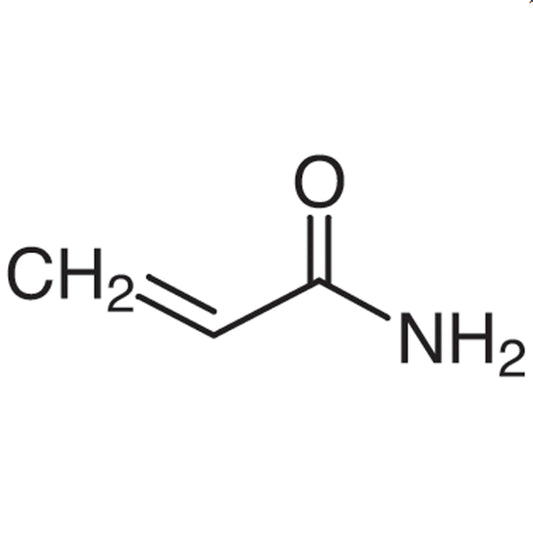
- TCI A0139 79-06-1 Acrylamide Monomer
- TCI H1164 19243-95-9 N-(4-Hydroxyphenyl)methacrylamide
- TCI T3826 874363-18-5 N-[3-(4,4,5,5-Tetramethyl-1,3,2-dioxaborolan-2-yl)phenyl]acrylamide
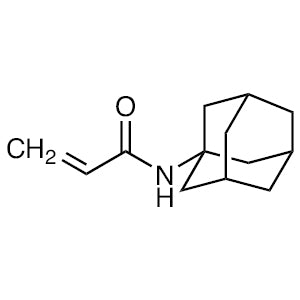
- TCI A3438 19026-83-6 N-(1-Adamantyl)acrylamide
- TCI P0920 1611-83-2 N-Phenylmethacrylamide
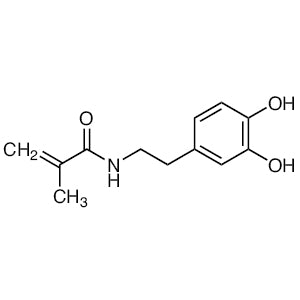
- TCI D5907 471915-89-6 N-(3,4-Dihydroxyphenethyl)methacrylamide
- Polymer synthesis for creating materials with tailored mechanical and chemical properties.
- Development of environmentally resistant polymers for industrial and scientific applications.
- Research in polymer-based coatings and adhesives requiring controlled cross-linking.
- Investigation of polymer chain formation and structural modification in material science.
- Testing of polymer reactivity with various initiators and catalysts in chemical synthesis.
| Brand | TCI |
|---|---|
| CAS number | 2210-24-4 |
| Molecular formula | — |
| Purity | — |
| Category | Materials Science > Polymer/Macromolecule Reagents > Monomers |
| Pack sizes | Available in standard laboratory quantities |
| Physical form | Solid powder |
| Storage | Store in a cool, dry place away from light and moisture |
N-Phenylacrylamide should be stored in a cool, dry place, away from direct light and moisture. It is recommended to use airtight containers to prevent exposure to air and humidity, which can affect its stability. The compound should be kept in a well-ventilated area to minimize inhalation risks. When handling, it is advisable to use appropriate personal protective equipment such as gloves and safety goggles. Avoid contact with skin and eyes, and ensure proper disposal of any unused material according to local regulations. Regular monitoring of storage conditions ensures the compound remains effective for laboratory use.
—
Product Categories
Produk Terkait
-
AcrylamideMonomer TCI A0139
Regular price From Rp 505.050,00Regular price -
N-(4-Hydroxyphenyl)methacrylamide TCI H1164
Regular price Rp 2.757.300,00Regular price -
N-[3-(4,4,5,5-Tetramethyl-1,3,2-dioxaborolan-2-yl)phenyl]acrylamide TCI T3826
Regular price From Rp 2.677.500,00Regular price -
N-(1-Adamantyl)acrylamide TCI A3438
Regular price Rp 3.630.900,00Regular price -
N-Phenylmethacrylamide TCI P0920
Regular price Rp 3.870.300,00Regular price -
N-(3,4-Dihydroxyphenethyl)methacrylamide TCI D5907
Regular price From Rp 2.466.450,00Regular price -
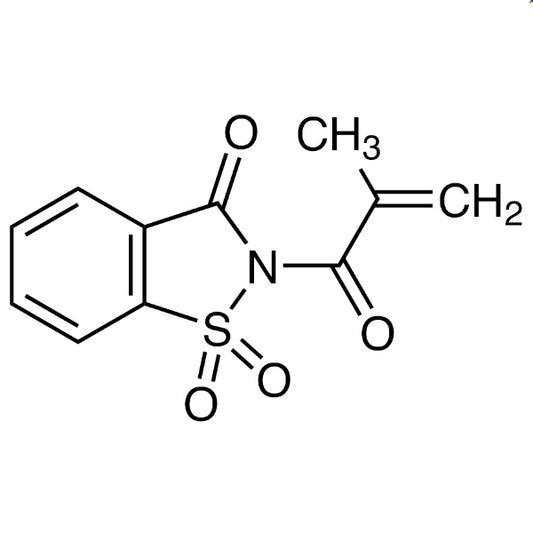
SaccharinMethacrylamide TCI A3463
Regular price From Rp 3.605.700,00Regular price -
N-[4-Cyano-3-(trifluoromethyl)phenyl]methacrylamide TCI C3188
Regular price From Rp 823.200,00Regular price


![874363-18-5 N-[3-(4,4,5,5-Tetramethyl-1,3,2-dioxaborolan-2-yl)phenyl]acrylamide - AMI Scientific](http://amiscientific.com/cdn/shop/files/TCI2510T3826.jpg?v=1769143777&width=533)


![N-[4-Cyano-3-(trifluoromethyl)phenyl]methacrylamide (CAS 90357-53-2) - TCI C3188 - AMI Scientific](http://amiscientific.com/cdn/shop/files/TCI2510C3188.jpg?v=1768817044&width=533)