N-Phthaloylglycine is a chemical compound widely used in chemical and biochemical applications, particularly in peptide synthesis. It functions as an amino acid analog, with the phthaloyl group serving as a protective group for the amino functionality. In the laboratory, this compound is essential for the synthesis of complex molecules where the amino group needs to be protected to prevent unwanted side reactions. Its role is critical in ensuring the accuracy and efficiency of chemical reactions, especially in controlled environments.
The compound is chemically stable and highly reactive with various reagents, making it ideal for precise chemical reactions. The phthaloyl group can be efficiently removed when needed, allowing for controlled deprotection steps in synthesis processes. These properties make N-Phthaloylglycine a preferred choice for researchers working on complex organic and peptide structures. Its reliability and versatility contribute to its widespread use in both academic and industrial research settings.
In Indonesian laboratories, N-Phthaloylglycine is extensively used in chemical and biochemical research, particularly in higher education institutions and research organizations. It plays a vital role in the synthesis of compounds requiring amino group protection, supporting ongoing scientific research in chemistry and molecular biology. Its availability and effectiveness make it a key component in many experimental protocols.
Related TCI products
- TCI B3230 33125-05-2 N-(tert-Butoxycarbonyl)-D-2-phenylglycine
- TCI B3211 2900-27-8 N-(tert-Butoxycarbonyl)-L-2-phenylglycine
- TCI F1234 35665-38-4 N-[(9H-Fluoren-9-ylmethoxy)carbonyl]glycylglycine
- TCI F1193 111524-95-9 N-[(9H-Fluoren-9-ylmethoxy)carbonyl]-D-2-phenylglycine
- TCI F1163 77128-70-2 N-[(9H-Fluoren-9-ylmethoxy)carbonyl]-N-methylglycine
- TCI F0669 102410-65-1 N-[(9H-Fluoren-9-ylmethoxy)carbonyl]-L-2-phenylglycine
- Peptide Synthesis: N-Phthaloylglycine is used to protect amino groups during the synthesis of peptides, ensuring that only the intended reactions occur and maintaining the integrity of the final product.
- Organic Compound Synthesis: The compound is valuable in the synthesis of complex organic molecules where controlled reactivity and protection of functional groups are essential.
- Biochemical Research: It supports biochemical studies by enabling the controlled modification of amino acid derivatives, aiding in the development of new pharmaceuticals and bioactive compounds.
- Analytical Chemistry: N-Phthaloylglycine is used in analytical procedures to study reaction mechanisms and the behavior of amino acid derivatives under various conditions.
- Teaching and Training: It is commonly used in laboratory courses to teach students about protecting groups and their role in synthetic chemistry.
| Brand | TCI |
|---|---|
| CAS number | 4702-13-0 |
| Molecular formula | — |
| Purity | — |
| Category | Chemistry > Chemical Biology > Peptide Chemistry |
| Pack sizes | Available in various quantities as per standard laboratory supply |
| Physical form | Solid |
| Storage | Store in a cool, dry place away from light and moisture |
N-Phthaloylglycine should be stored in a cool, dry place, away from light and moisture to maintain its chemical stability. It is recommended to use airtight containers to prevent exposure to humidity and air. Due to its reactivity, it should be handled with care, using appropriate personal protective equipment such as gloves and safety goggles. It is important to ensure that the compound is stored in a well-ventilated area to minimize any potential risks associated with its chemical nature. Proper labeling and storage conditions will help in maintaining the quality and effectiveness of the compound for laboratory use.
—
Product Categories
Produk Terkait
-
N-(tert-Butoxycarbonyl)-D-2-phenylglycine TCI B3230
Regular price From Rp 452.550,00Regular price -
N-(tert-Butoxycarbonyl)-L-2-phenylglycine TCI B3211
Regular price From Rp 823.200,00Regular price -
N-[(9H-Fluoren-9-ylmethoxy)carbonyl]glycylglycine TCI F1234
Regular price From Rp 875.700,00Regular price -
N-[(9H-Fluoren-9-ylmethoxy)carbonyl]-D-2-phenylglycine TCI F1193
Regular price Rp 769.650,00Regular price -
N-[(9H-Fluoren-9-ylmethoxy)carbonyl]-N-methylglycine TCI F1163
Regular price From Rp 1.273.650,00Regular price -
N-[(9H-Fluoren-9-ylmethoxy)carbonyl]-L-2-phenylglycine TCI F0669
Regular price From Rp 505.050,00Regular price -
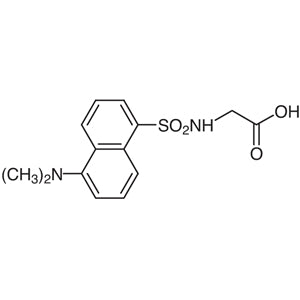
Dansylglycine TCI D1501
Regular price From Rp 823.200,00Regular price -
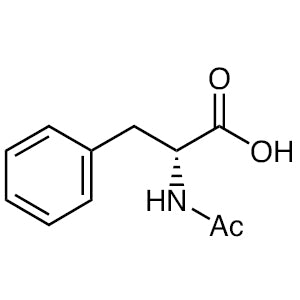
N-Acetyl-D-phenylalanine TCI A0105
Regular price From Rp 1.087.800,00Regular price


![N-[(9H-Fluoren-9-ylmethoxy)carbonyl]glycylglycine (CAS 35665-38-4) - TCI F1234 - AMI Scientific](http://amiscientific.com/cdn/shop/files/TCI2510F1234.jpg?v=1768205457&width=533)
![N-[(9H-Fluoren-9-ylmethoxy)carbonyl]-D-2-phenylglycine (CAS 111524-95-9) - TCI F1193 - AMI Scientific](http://amiscientific.com/cdn/shop/files/TCI2510F1193.jpg?v=1768205447&width=533)
![N-[(9H-Fluoren-9-ylmethoxy)carbonyl]-N-methylglycine (CAS 77128-70-2) - TCI F1163 - AMI Scientific](http://amiscientific.com/cdn/shop/files/TCI2510F1163.jpg?v=1769142460&width=533)
![N-[(9H-Fluoren-9-ylmethoxy)carbonyl]-L-2-phenylglycine (CAS 102410-65-1) - TCI F0669 - AMI Scientific](http://amiscientific.com/cdn/shop/files/TCI2510F0669.jpg?v=1771058185&width=533)