2-Propylcyclohexanone is an organic compound widely used in chemical reactions for the synthesis of complex molecules. It serves as a versatile building block in organic chemistry, enabling the creation of various functional groups and structural variations. This compound is particularly valuable in synthetic pathways where controlled reactivity and selectivity are required. Its unique molecular structure, featuring a cyclohexanone ring with a propyl side chain, makes it a key component in the development of aromatic compounds, pharmaceuticals, and industrial chemicals.
The compound’s high reactivity and volatility make it a preferred choice in laboratory settings. It is well-suited for substitution and oxidation reactions due to its ability to participate in multiple reaction mechanisms. Its low boiling point allows for efficient processing under high-temperature conditions, while its non-colored, liquid form ensures ease of identification and handling. These properties contribute to its reliability and effectiveness in chemical synthesis, making it a staple in both academic and industrial research environments.
In Indonesian laboratories, 2-Propylcyclohexanone is commonly used in organic chemistry research, particularly in universities and research institutions. Its role in synthesizing complex compounds and its predictable chemical behavior make it an essential tool for researchers. The compound’s stability and clarity in its liquid form further enhance its usability in a wide range of experimental applications. Its presence in Indonesian laboratories underscores its importance in advancing chemical research and development.
Related TCI products
- TCI P1849 40649-36-3 4-Propylcyclohexanone
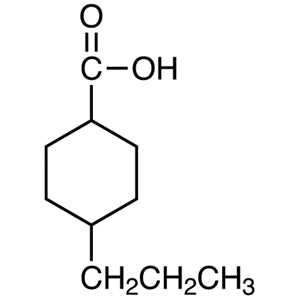
- TCI P1656 70928-91-5 4-Propylcyclohexanecarboxylic Acid (cis- and trans- mixture)
- TCI P0943 38289-27-9 trans-4-Propylcyclohexanecarboxylic Acid
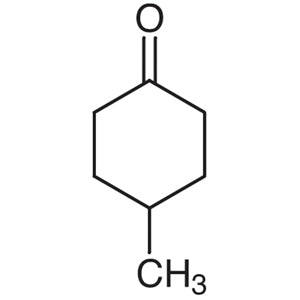
- TCI M0199 589-92-4 4-Methylcyclohexanone
- TCI M0198 591-24-2 3-Methylcyclohexanone
- TCI M0197 583-60-8 2-Methylcyclohexanone
- Organic synthesis applications benefit from 2-Propylcyclohexanone due to its reactivity and ability to form complex molecular structures.
- Pharmaceutical research utilizes this compound for the development of new drug compounds through controlled chemical modifications.
- Industrial chemical production relies on its versatility in creating a variety of functional groups and molecular frameworks.
- Analytical chemistry experiments use it as a reference standard for testing reaction mechanisms and purity levels.
- Teaching laboratories incorporate it into curriculum-based experiments to demonstrate key organic reaction principles.
| Brand | TCI |
|---|---|
| CAS number | 94-65-5 |
| Molecular formula | — |
| Purity | — |
| Category | Chemistry > Building Blocks > Non-Heterocyclic Building Blocks |
| Pack sizes | Available in various quantities as per supplier specifications |
| Physical form | Liquid |
| Storage | Store in a cool, dark place away from heat and direct sunlight |
2-Propylcyclohexanone should be stored in a cool, dark location, away from heat and direct sunlight to maintain its stability. It is recommended to use sealed containers made of glass or high-density polyethylene to prevent evaporation and contamination. Due to its volatility, proper ventilation is essential when handling the compound. Laboratory personnel should wear appropriate personal protective equipment, including gloves and safety goggles, to ensure safe handling. The compound should be kept away from incompatible materials such as strong oxidizing agents. Regular monitoring of storage conditions is advised to ensure the integrity and safety of the material during use.
—
Produk Terkait
-
4-Propylcyclohexanone TCI P1849
Regular price From Rp 769.650,00Regular price -
4-PropylcyclohexanecarboxylicAcid(cis-andtrans-mixture) TCI P1656
Regular price From Rp 2.466.450,00Regular price -
trans-4-PropylcyclohexanecarboxylicAcid TCI P0943
Regular price From Rp 530.250,00Regular price -
4-Methylcyclohexanone TCI M0199
Regular price From Rp 980.700,00Regular price -
3-Methylcyclohexanone TCI M0198
Regular price From Rp 689.850,00Regular price -
2-Methylcyclohexanone TCI M0197
Regular price From Rp 769.650,00Regular price -
4-Isopropylcyclohexanone TCI I1170
Regular price From Rp 1.776.600,00Regular price -
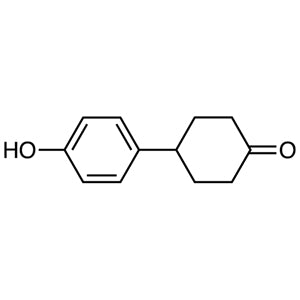
4-(4-Hydroxyphenyl)cyclohexanone TCI H1316
Regular price From Rp 1.167.600,00Regular price