2-Phenylbenzothiazole is a chemical compound widely used in laboratory settings as a building block for the synthesis of complex heterocyclic structures. It plays a crucial role in organic chemistry by enabling the creation of molecules with specific functional groups and desired properties. This compound is particularly valuable for researchers aiming to develop new materials or pharmaceutical compounds. Its versatility makes it a key component in various chemical reactions, supporting both academic and industrial research.
The compound is known for its stable molecular structure and good reactivity under different chemical conditions. These characteristics make it a preferred choice for synthetic chemists who require reliable and predictable results. Its solubility in organic solvents further enhances its usability, simplifying the processes of purification and reaction setup. These properties ensure that it remains a popular material in both teaching and research laboratories.
In Indonesian laboratories, 2-Phenylbenzothiazole is commonly used in organic synthesis and pharmaceutical research. It is especially relevant for the development of new drugs and advanced materials. Its application in laboratory settings supports innovation and contributes to the growth of scientific research in Indonesia.
TCI brochures (PDF)
- Ligands 2025-12-01 · p. 11
- Synthesis of heterocyclic compounds for the development of new pharmaceuticals, as it provides a stable and reactive building block for creating complex molecular structures.
- Testing of organic compounds' biological activity, due to its ability to participate in various chemical reactions that mimic biological processes.
- Research in material science for the creation of advanced polymers and functional materials, leveraging its chemical versatility and structural stability.
- Development of new synthetic methodologies in organic chemistry, where its predictable reactivity aids in the design of efficient reaction pathways.
- Exploration of optoelectronic materials, as its molecular structure can be modified to exhibit specific optical properties for advanced applications.
| Brand | TCI |
|---|---|
| CAS number | 883-93-2 |
| Molecular formula | — |
| Purity | — |
| Category | Chemistry > Building Blocks > Heterocyclic Building Blocks |
| Pack sizes | Available in various quantities as per standard laboratory supply |
| Physical form | Solid |
| Storage | Store in a cool, dry place away from light and moisture |
2-Phenylbenzothiazole should be stored in a cool, dry place away from direct light and moisture to maintain its stability and reactivity. It is recommended to use airtight containers to prevent exposure to air and humidity, which could affect its chemical properties. In a laboratory setting, it should be handled with appropriate personal protective equipment to ensure safety. Due to its chemical nature, it should be stored separately from incompatible substances to avoid any potential reactions. Regular monitoring of storage conditions is essential to ensure the integrity of the material during long-term use. Proper labeling and organization of storage areas help in maintaining a safe and efficient laboratory environment.
—
Product Categories
Produk Terkait
-
2-Phenylbenzoxazole TCI P2264
Regular price From Rp 1.485.750,00Regular price -
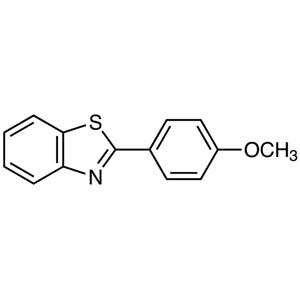
2-(4-Methoxyphenyl)benzothiazole TCI M1654
Regular price Rp 717.150,00Regular price -
2-(2-Hydroxyphenyl)benzothiazole TCI H0973
Regular price From Rp 903.000,00Regular price -
2-(2-Hydroxyphenyl)benzoxazole TCI H0291
Regular price From Rp 505.050,00Regular price -
2-Phenylbenzimidazole TCI P1105
Regular price Rp 848.400,00Regular price -
2,5,6-Trimethylbenzothiazole TCI T1738
Regular price Rp 4.479.300,00Regular price -
2-Amino-5,6-dimethylbenzothiazole TCI A1461
Regular price From Rp 5.432.700,00Regular price -
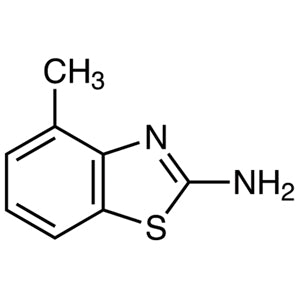
2-Amino-4-methylbenzothiazole TCI A1344
Regular price Rp 795.900,00Regular price