![127833-53-8 1-[4-(2-Phenylethyl)benzyl]naphthalene - AMI Scientific](http://amiscientific.com/cdn/shop/files/TCI2510P1181.jpg?v=1767134440&width=1946)
![127833-53-8 1-[4-(2-Phenylethyl)benzyl]naphthalene - AMI Scientific](http://amiscientific.com/cdn/shop/files/TCI2510P1181.jpg?v=1767134440&width=1445)
1-[4-(2-Phenylethyl)benzyl]naphthalene is a complex organic compound widely used in synthetic chemistry applications. It serves as a crucial building block in the development of various organic molecules, particularly in the synthesis of heterocyclic and aromatic compounds. This compound is highly valued in laboratory settings for its structural versatility and ability to participate in multiple chemical reactions. Its presence in research projects often leads to the creation of new compounds with potential applications in pharmaceutical and industrial sectors. Due to its unique molecular structure, it is a preferred choice for chemists seeking to explore complex chemical transformations.
The compound’s stability and reactivity make it an ideal candidate for substitution and coupling reactions. Its molecular structure features two aromatic rings and a phenyl group, contributing to its chemical versatility. These properties allow it to be used in a wide range of synthetic pathways, making it a valuable resource for researchers. The compound’s ability to undergo various chemical modifications further enhances its utility in laboratory experiments. Its chemical stability ensures that it remains effective even under different reaction conditions.
In Indonesian laboratories, 1-[4-(2-Phenylethyl)benzyl]naphthalene is commonly used in research focused on drug development and industrial chemical synthesis. Its availability and consistent quality make it a reliable choice for scientists working on complex molecular structures. Researchers often rely on this compound for experiments requiring high chemical precision and structural complexity. It is particularly useful in projects involving the synthesis of bioactive compounds and advanced organic materials.
- Organic synthesis research benefits from this compound due to its structural complexity and reactivity, enabling the creation of novel chemical entities.
- Drug development projects utilize it as a building block for synthesizing compounds with potential pharmaceutical applications.
- Industrial chemical synthesis relies on its stability and versatility for producing complex aromatic derivatives.
- Bioactive compound research leverages its molecular structure to design molecules with specific biological activities.
- Advanced materials development incorporates it for creating compounds with unique physical and chemical properties.
| Brand | TCI |
|---|---|
| CAS number | 127833-53-8 |
| Molecular formula | — |
| Purity | — |
| Category | Chemistry > Building Blocks > Non-Heterocyclic Building Blocks |
| Pack sizes | Available in standard laboratory quantities |
| Physical form | Solid |
| Storage | Store in a cool, dry place away from direct sunlight |
This compound should be stored in a cool, dry environment to maintain its chemical integrity. It is recommended to keep it in a tightly sealed container to prevent moisture absorption and contamination. Due to its chemical nature, it should be stored away from incompatible substances such as strong oxidizers or acids. Proper ventilation is essential when handling the compound to ensure safe laboratory conditions. Laboratory personnel should wear appropriate personal protective equipment, including gloves and safety goggles, when working with this material. Regular monitoring of storage conditions helps ensure the compound remains stable and suitable for use in research applications.
—
Produk Terkait
-
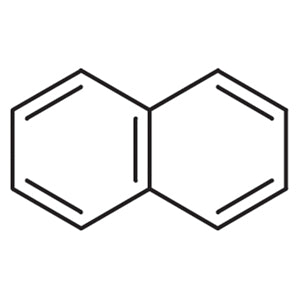
Naphthalene TCI N0885
Regular price From Rp 505.050,00Regular price -
1-Methyl-4-(phenylethynyl)benzene TCI M3021
Regular price From Rp 2.359.350,00Regular price -
1-Ethynyl-4-(phenylethynyl)benzene TCI E0967
Regular price From Rp 3.100.650,00Regular price -
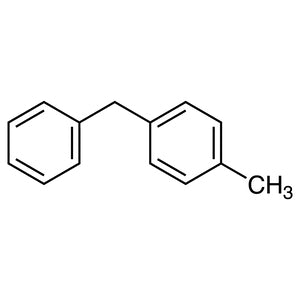
1-Benzyl-4-methylbenzene TCI B6623
Regular price From Rp 2.386.650,00Regular price -
Triphenylethylene TCI T1834
Regular price Rp 1.724.100,00Regular price -
2-PhenylethylAcetate TCI A0692
Regular price From Rp 769.650,00Regular price -
Tetraphenylethylene TCI T0167
Regular price From Rp 875.700,00Regular price -
N-(1-Phenylethyl)acetamide TCI P3170
Regular price From Rp 1.035.300,00Regular price