Tetraphenylethylene (TPE) is an organic compound with a complex molecular structure featuring four phenyl groups attached to an ethylene core. This compound serves as a fundamental building block in organic chemistry laboratories, where it is used as a precursor for the synthesis of more complex molecules. Its structural simplicity and chemical stability make it a versatile tool for researchers aiming to modify its properties through various chemical reactions. TPE is widely utilized in both academic and industrial settings for its predictable behavior and ease of manipulation under controlled laboratory conditions.
TPE is valued for its chemical stability, which prevents spontaneous reactions and ensures consistent results during experiments. Its symmetric molecular structure also contributes to its optical properties, such as fluorescence, making it relevant in material science and photophysical studies. These characteristics allow researchers to explore its potential in developing new materials with tailored optical and electronic properties. Additionally, its non-reactive nature under normal conditions simplifies handling and storage, making it a reliable choice for laboratory use.
In Indonesian laboratories, TPE is commonly used in organic chemistry research, particularly in higher education institutions and research organizations. It plays a crucial role in the development of new compounds, testing chemical reactions, and studying the optical and electronic properties of materials. Its availability in the local market supports ongoing scientific investigations and educational activities, ensuring that researchers have access to this essential compound for their work.
TCI brochures (PDF)
- Building Blocks for Organic Semiconductor 2026-03-24 · p. 7
- Organic synthesis applications benefit from TPE’s stability and predictable chemical behavior, enabling precise control over reaction outcomes.
- Material science research utilizes TPE’s fluorescent properties to study the optical characteristics of new materials and their potential applications.
- Photophysical studies rely on TPE’s symmetric structure to investigate light absorption and emission properties in various chemical environments.
- Educational laboratories use TPE as a teaching tool to demonstrate the principles of molecular structure and chemical reactivity in organic chemistry.
- Industrial research settings incorporate TPE in the development of advanced materials with specific optical and electronic properties for commercial applications.
| Brand | TCI |
|---|---|
| CAS number | 632-51-9 |
| Molecular formula | — |
| Purity | — |
| Category | Chemistry > Building Blocks > Non-Heterocyclic Building Blocks |
| Pack sizes | Available in standard laboratory quantities |
| Physical form | Solid at room temperature |
| Storage | Store in a cool, dry place away from light and moisture |
TPE should be stored in a cool, dry environment, away from direct light and moisture to maintain its chemical stability. It is recommended to use airtight containers made of glass or inert plastic to prevent contamination and degradation. Due to its non-reactive nature, TPE does not require special handling under normal laboratory conditions, but it is advisable to work with it in a well-ventilated area. Proper labeling of containers is essential to ensure safe handling and prevent accidental exposure. Regular inspection of storage conditions ensures the compound remains suitable for use in research applications.
—
Produk Terkait
-
Triphenylethylene TCI T1834
Regular price Rp 1.724.100,00Regular priceRp 1.205.400,00Sale price Rp 1.724.100,00 -
1,1-Diphenylethylene(stabilizedwithHQ) TCI D0886
Regular price From Rp 1.140.300,00Regular priceRp 796.950,00Sale price From Rp 1.140.300,00 -
2-PhenylethylAcetate TCI A0692
Regular price From Rp 769.650,00Regular priceRp 537.600,00Sale price From Rp 769.650,00 -
1,1,4,4-Tetraphenyl-1,3-butadiene TCI T0168
Regular price From Rp 1.035.300,00Regular priceRp 723.450,00Sale price From Rp 1.035.300,00 -
N-(1-Phenylethyl)acetamide TCI P3170
Regular price From Rp 1.087.800,00Regular priceRp 775.950,00Sale price From Rp 1.087.800,00 -
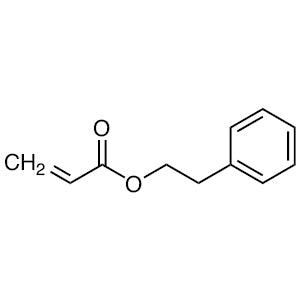
2-PhenylethylAcrylate TCI P2888
Regular price From Rp 1.538.250,00Regular priceRp 1.075.200,00Sale price From Rp 1.538.250,00 -
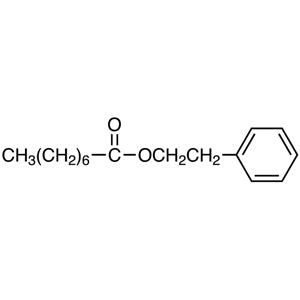
2-Phenylethyln-Octanoate TCI P2741
Regular price From Rp 1.351.350,00Regular priceRp 960.750,00Sale price From Rp 1.351.350,00 -
2-PhenylethylMethacrylate(stabilizedwithHQ) TCI P2714
Regular price From Rp 1.298.850,00Regular priceRp 908.250,00Sale price From Rp 1.298.850,00