TCI P1975 Probenecid (CAS 57-66-9) is a benzoic acid derivative with a sulfonamide group. In medicine it is known as a uricosuric agent. In the laboratory it is used mainly as an inhibitor of organic anion transporters, which makes it useful in many kinds of biological experiments. TCI lists this product under Animal Disease Models Preparation. Researchers often give probenecid together with another compound to extend how long the animal is exposed to that compound, or to strengthen its effect.
Probenecid is useful because it blocks organic anion transporters. This slows the removal of certain compounds from tissues and cells, so researchers can keep a co-administered compound in the body longer without changing the compound itself. A well-known example is the chronic Parkinson's disease model in mice, which combines MPTP with probenecid. In cell biology, probenecid is often added to calcium imaging assays so that cells do not quickly pump out fluorescent dyes such as AM ester calcium indicators. It is also known as an inhibitor of pannexin-1 channels. Because it works in several of these settings, it is a flexible supporting reagent.
In Indonesia, probenecid is a practical supporting reagent for pharmacology, neuroscience, and cell biology laboratories. University research groups, teaching hospitals, and institutional laboratories can use it to build animal disease models, especially chronic neurodegeneration models, and to improve the reliability of fluorescence-based cell assays. A single compound that serves both in vivo and in vitro work fits well in laboratories that run several research programs with limited reagent budgets.
TCI brochures (PDF)
- Pharmaceutical Ingredients for Research and Experimental Use 2026-03-09 · p. 47
- Chronic Parkinson's disease mouse models: Probenecid is combined with MPTP to build the well-known chronic Parkinson's model in mice, because it slows the clearance of the neurotoxic compound.
- Extending compound exposure in animal studies: By inhibiting organic anion transporters, probenecid slows the removal of certain co-administered compounds from tissues, which prolongs exposure in experimental animals.
- Calcium imaging assays: Probenecid is added to cell loading buffers so that AM ester calcium indicators stay inside the cells, giving stronger and more stable fluorescent signals.
- Organic anion transporter studies: As a recognized inhibitor of organic anion transporters, probenecid serves as a reference tool for studying transporter-dependent uptake and efflux in cells and tissues.
- Pannexin-1 channel research: Probenecid is known to inhibit pannexin-1 channels, so it is used in cell biology and neuroscience experiments that study channel-mediated signaling and release.
| Brand | TCI (product code P1975) |
|---|---|
| CAS number | 57-66-9 |
| Molecular formula | — |
| Purity | — |
| Category | Life Science > Biochemicals and Reagents > Animal Disease Models Preparation |
| Pack sizes | Please refer to the available options on the product page |
| Physical form | Solid. Check the label and certificate of analysis for details. |
| Storage | Follow the storage conditions stated on the manufacturer's label |
Store probenecid in its original tightly closed container, in a cool, dry, well-ventilated place away from direct light and moisture, and follow the storage conditions on the TCI label. Keep it away from incompatible substances such as strong oxidizing agents. When weighing or preparing solutions, wear standard protective equipment, including a laboratory coat, safety glasses, and gloves. Avoid creating or breathing in dust, and work in a fume hood or a well-ventilated area. Label prepared stock solutions clearly with the concentration and preparation date. Always read the manufacturer's Safety Data Sheet before use, and dispose of waste according to your institution's rules and local regulations.
—
Product Categories
- Biochemicals and ReagentsAnimal Disease Models PreparationReagents for Central Nervous System Disease Models
- Biochemicals and ReagentsPharmaceutical Research Reagents (for Experimental Use)Pharmaceutical Research Reagents (Others)
- Biochemicals and Reagents
- Cell BiologyCell Signaling and NeuroscienceNeuroscience
- Pharmaceutical Development and Drug Discovery ResearchPharmaceutical Research Reagents (for Experimental Use)Pharmaceutical Research Reagents (Others)
Produk Terkait
-
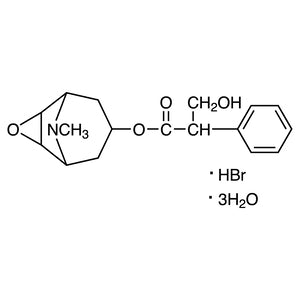
ScopolamineHydrobromideTrihydrate TCI S0021
Regular price From Rp 2.730.000,00Regular priceRp 1.924.650,00Sale price From Rp 2.730.000,00 -
Reserpine TCI R0007
Regular price Rp 1.988.700,00Regular priceRp 1.405.950,00Sale price Rp 1.988.700,00 -
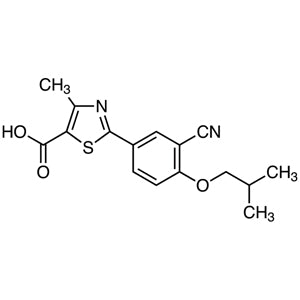
Febuxostat TCI F0847
Regular price From Rp 2.809.800,00Regular priceRp 1.980.300,00Sale price From Rp 2.809.800,00 -
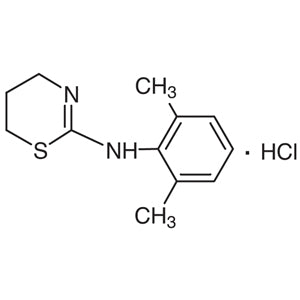
XylazineHydrochloride TCI X0059
Regular price Rp 2.544.150,00Regular priceRp 1.794.450,00Sale price Rp 2.544.150,00 -
Melatonin TCI M1105
Regular price From Rp 1.988.700,00Regular priceRp 1.405.950,00Sale price From Rp 1.988.700,00 -
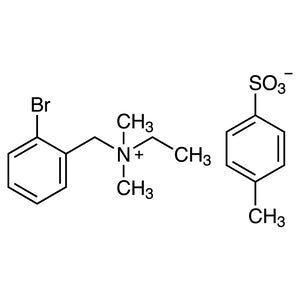
BretyliumTosylate TCI B6544
Regular price Rp 5.855.850,00Regular priceRp 4.110.750,00Sale price Rp 5.855.850,00 -
Digoxin TCI D1828
Regular price From Rp 1.113.000,00Regular priceRp 793.800,00Sale price From Rp 1.113.000,00 -
Zonisamide TCI Z0026
Regular price From Rp 2.199.750,00Regular priceRp 1.554.000,00Sale price From Rp 2.199.750,00