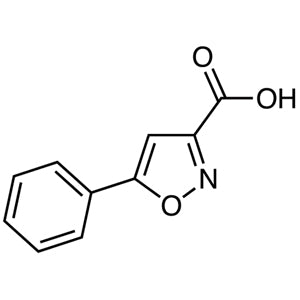
5-Phenylisoxazole-3-carboxylic Acid is a versatile organic compound widely used in laboratory settings for its role in the synthesis of heterocyclic compounds. This building block is essential in the development of complex molecules with specific structural features, making it a valuable tool in both academic and industrial research. Its presence in the chemical toolbox allows chemists to explore new synthetic pathways and design molecules with desired biological or chemical properties. As a key component in organic synthesis, it contributes to the advancement of pharmaceutical and materials science research.
The compound is known for its stable heterocyclic structure and high reactivity, which make it an ideal candidate for a variety of chemical transformations. Its solubility in organic solvents facilitates efficient handling and reaction processes in the laboratory. Additionally, its ability to form bonds with various functional groups enhances its utility in the synthesis of bioactive compounds. These properties collectively position it as a preferred choice for researchers aiming to create complex molecules with tailored functionalities.
In Indonesian laboratories, 5-Phenylisoxazole-3-carboxylic Acid is commonly used in the study of bioactive compounds and drug development. Its stability and reactivity make it a go-to material for chemists and students engaged in organic synthesis experiments. Its role in the creation of new chemical entities supports both fundamental and applied research efforts in the chemical sciences.
Related TCI products
- TCI P2390 14442-12-7 3-Phenylisoxazole-5-carboxylic Acid
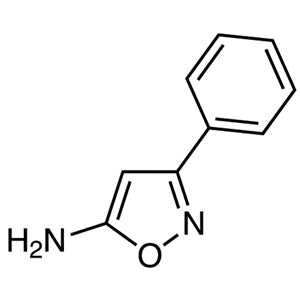
- TCI A2437 4369-55-5 5-Amino-3-phenylisoxazole
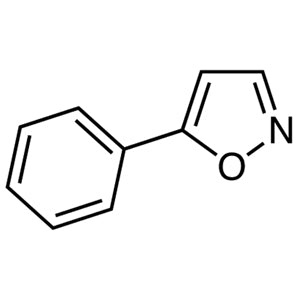
- TCI P2309 1006-67-3 5-Phenylisoxazole
- TCI M2996 16883-16-2 5-Methyl-3-phenylisoxazole-4-carbonyl Chloride
- TCI P2386 1619-37-0 (5-Phenylisoxazol-3-yl)methanol
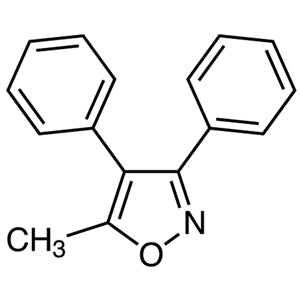
- TCI M2830 37928-17-9 5-Methyl-3,4-diphenylisoxazole
- Bioactive Compound Synthesis: This compound is widely used in the synthesis of bioactive molecules due to its reactivity and ability to form complex structures, making it ideal for pharmaceutical research.
- Organic Chemistry Research: It serves as a fundamental building block for synthesizing heterocyclic compounds, supporting advanced research in organic chemistry and materials science.
- Drug Development: Its role in creating molecules with specific biological activities makes it a key component in the development of new therapeutic agents.
- Academic Teaching: It is commonly used in educational settings to demonstrate organic synthesis techniques and heterocyclic chemistry principles.
- Functional Group Modification: Its ability to react with various functional groups allows it to be used in modifying existing molecules for enhanced properties.
| Brand | TCI |
|---|---|
| CAS number | 14441-90-8 |
| Molecular formula | — |
| Purity | — |
| Category | Chemistry > Building Blocks > Heterocyclic Building Blocks |
| Pack sizes | Available in various quantities as per supplier specifications |
| Physical form | Solid |
| Storage | Store in a cool, dry place away from direct sunlight |
This compound should be stored in a cool, dry environment to maintain its stability and prevent degradation. It is recommended to keep it in a tightly sealed container to avoid exposure to moisture and air. Due to its reactivity, it should be handled with appropriate personal protective equipment, such as gloves and safety goggles. Storage away from incompatible substances is essential to ensure safety. Regular inspection of the container and storage conditions is advised to maintain the integrity of the material. Proper labeling and adherence to standard laboratory safety protocols are necessary when working with this compound.
—
Produk Terkait
-
3-Phenylisoxazole-5-carboxylicAcid TCI P2390
Regular price Rp 2.384.550,00Regular priceRp 1.683.150,00Sale price Rp 2.384.550,00 -
5-Amino-3-phenylisoxazole TCI A2437
Regular price Rp 2.359.350,00Regular priceRp 1.665.300,00Sale price Rp 2.359.350,00 -
5-Phenylisoxazole TCI P2309
Regular price Rp 1.618.050,00Regular priceRp 1.146.600,00Sale price Rp 1.618.050,00 -
5-Methyl-3-phenylisoxazole-4-carbonylChloride TCI M2996
Regular price Rp 822.150,00Regular priceRp 590.100,00Sale price Rp 822.150,00 -
(5-Phenylisoxazol-3-yl)methanol TCI P2386
Regular price Rp 3.735.900,00Regular priceRp 2.628.150,00Sale price Rp 3.735.900,00 -
5-Methyl-3,4-diphenylisoxazole TCI M2830
Regular price Rp 900.900,00Regular priceRp 645.750,00Sale price Rp 900.900,00 -
Xanthene-9-carboxylicAcid TCI X0031
Regular price Rp 1.060.500,00Regular priceRp 757.050,00Sale price Rp 1.060.500,00 -
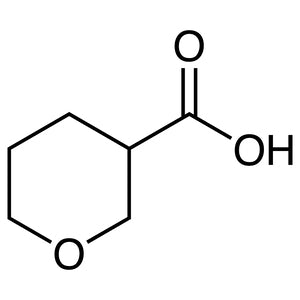
Tetrahydro-2H-pyran-3-carboxylicAcid TCI T4166
Regular price Rp 1.458.450,00Regular priceRp 1.035.300,00Sale price Rp 1.458.450,00