3-Perylenecarboxaldehyde is a chemical compound widely used as a foundational building block in the synthesis of complex molecules. Its unique molecular structure consists of a perylene ring system linked by a carbonyl group, making it a versatile reagent in organic chemistry. In the laboratory, it serves as a key component for the development of various organic compounds, supporting research in pharmaceuticals, materials science, and analytical chemistry. Its role is critical in enabling the creation of functionalized molecules with specific chemical properties.
This compound is favored for its chemical stability and controlled reactivity, allowing it to participate in a wide range of chemical reactions. Its ability to form stable intermediates and its compatibility with various functional groups make it a preferred choice for chemists. The compound’s predictable behavior under different reaction conditions ensures reliable outcomes, which is essential in both academic and industrial research settings. Its versatility in reacting with different reagents further enhances its utility in synthetic pathways.
In Indonesian laboratories, 3-Perylenecarboxaldehyde is commonly used in research and development projects. It is a staple in academic and industrial laboratories, where it supports the synthesis of novel compounds and the exploration of new chemical applications. Its stability and reactivity make it an essential tool for scientists working in diverse fields, including pharmaceutical development and material innovation. Its availability through suppliers like AMI Scientific ensures that researchers have access to this important chemical for their work.
TCI brochures (PDF)
- Building Blocks for Organic Semiconductor 2026-03-24 · p. 11
- Pharmaceutical research utilizes 3-Perylenecarboxaldehyde for the synthesis of bioactive compounds due to its reactivity and structural versatility.
- Material science experiments benefit from its ability to form stable intermediates, aiding in the creation of advanced polymers and coatings.
- Analytical chemistry applications leverage its unique spectral properties for identification and quantification in complex mixtures.
- Organic synthesis projects rely on its predictable behavior in condensation and substitution reactions, enhancing reaction efficiency.
- Industrial chemical processes use it as a reliable building block for the production of specialty chemicals and functional materials.
| Brand | TCI |
|---|---|
| CAS number | 35438-63-2 |
| Molecular formula | — |
| Purity | — |
| Category | Chemistry > Building Blocks > Non-Heterocyclic Building Blocks |
| Pack sizes | Available in various quantities as per supplier specifications |
| Physical form | Solid |
| Storage | Store in a cool, dry place away from light and moisture |
3-Perylenecarboxaldehyde should be stored in a cool, dry environment, away from direct light and moisture to maintain its chemical integrity. It is recommended to use airtight containers made of glass or inert materials to prevent contamination and degradation. Due to its reactivity, it should be handled with appropriate personal protective equipment, including gloves and safety goggles. In laboratory settings, it is important to ensure proper ventilation to minimize exposure to vapors. Always follow standard chemical safety protocols when working with this compound to ensure safe handling and storage.
—
Produk Terkait
-
Cyclohexanecarboxaldehyde TCI C0880
Regular price From Rp 1.988.700,00Regular price -
1-Pyrenecarboxaldehyde TCI P1448
Regular price From Rp 557.550,00Regular price -
9-Anthracenecarboxaldehyde TCI A0779
Regular price From Rp 1.326.150,00Regular price -
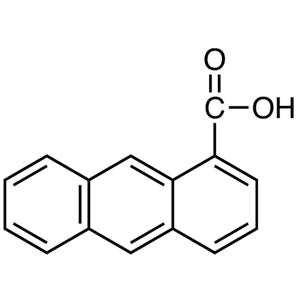
1-AnthracenecarboxylicAcid TCI A1220
Regular price Rp 7.684.950,00Regular price -
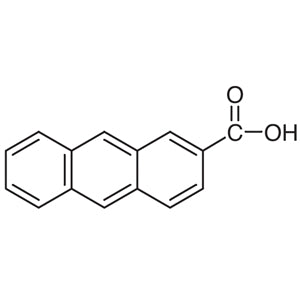
2-AnthracenecarboxylicAcid TCI A1150
Regular price From Rp 5.009.550,00Regular price -
9-AnthracenecarboxylicAcid TCI A0690
Regular price From Rp 1.220.100,00Regular price -
2-Triphenylenecarboxaldehyde TCI T3304
Regular price From Rp 3.683.400,00Regular price -
DiisobutylPerylenedicarboxylate(mixtureofregioisomers) TCI P1197
Regular price Rp 2.386.650,00Regular price