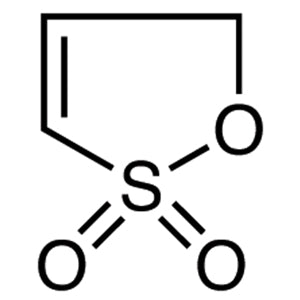
1-Propene 1,3-Sultone is a chemical compound widely used in laboratory settings for the synthesis of complex molecules. As a building block in organic chemistry, it plays a crucial role in various reactions that require high reactivity and specificity. This compound is particularly valued for its ability to participate in multiple chemical transformations, making it an essential tool for researchers working on advanced chemical synthesis. Its unique structure allows for versatile applications in both academic and industrial research environments.
The compound’s high reactivity and stability under controlled conditions make it a preferred choice for chemical synthesis. Its sultone structure enables it to undergo reactions such as sultonification, epoxidation, and substitution, which are fundamental in the development of new compounds. These properties contribute to its popularity among scientists and researchers who need reliable and efficient chemical intermediates. The compound’s versatility and effectiveness in various reaction conditions further enhance its appeal in the field of organic chemistry.
In Indonesian laboratories, 1-Propene 1,3-Sultone is commonly used in chemical research, especially in the synthesis of new compounds and the development of industrial chemicals. It is a key component in the work of research institutions and chemical industries that require precise and high-quality chemical materials. Its relevance in both academic and industrial contexts underscores its importance in the chemical research landscape of Indonesia.
Related TCI products
- Organic synthesis: This compound is ideal for creating complex molecules due to its reactivity and structural versatility.
- Polymer development: Its sultone structure allows for the formation of polymers with unique chemical properties.
- Industrial chemical production: It serves as a building block for various industrial applications requiring chemical intermediates.
- Heterocyclic compound synthesis: Its reactivity makes it suitable for the creation of heterocyclic structures in chemical research.
- Research and development: It is widely used in R&D settings for the exploration of new chemical compounds and processes.
| Brand | TCI |
|---|---|
| CAS number | 21806-61-1 |
| Molecular formula | — |
| Purity | — |
| Category | Chemistry > Building Blocks > Non-Heterocyclic Building Blocks |
| Pack sizes | Available in various quantities as per standard laboratory supply |
| Physical form | Liquid |
| Storage | Store in a cool, dry place away from direct sunlight |
This compound should be stored in a cool, dry place, away from direct sunlight and sources of heat. It is recommended to use airtight containers to prevent exposure to moisture and air, which may affect its stability. Due to its reactivity, it should be handled in a well-ventilated area, and appropriate personal protective equipment should be worn. Avoid contact with incompatible materials, and ensure proper disposal according to local regulations. Regular monitoring of storage conditions is essential to maintain the compound’s integrity and effectiveness in laboratory applications.
—
Produk Terkait
-
Sodium2-Methyl-2-propene-1-sulfonate TCI M1408
Regular price From Rp 505.050,00Regular price -
3-Bromo-2-methyl-1-propene TCI B2467
Regular price Rp 2.332.050,00Regular price -
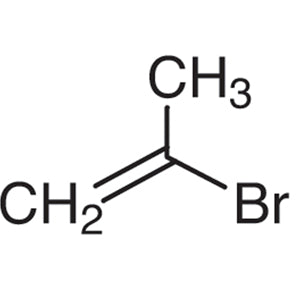
2-Bromo-1-propene TCI B1269
Regular price Rp 2.386.650,00Regular price -
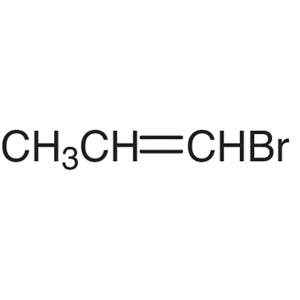
1-Bromo-1-propene(cis-andtrans-mixture) TCI B1038
Regular price From Rp 1.431.150,00Regular price -
2-Amino-1,1,3-tricyano-1-propene TCI A1097
Regular price Rp 3.683.400,00Regular price -
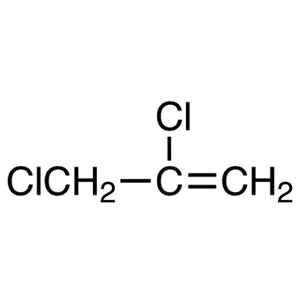
2,3-Dichloro-1-propene TCI D0406
Regular price Rp 1.008.000,00Regular price -
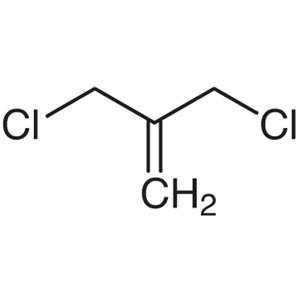
3-Chloro-2-chloromethyl-1-propene TCI C1565
Regular price From Rp 2.174.550,00Regular price -
1-Chloro-1-propene(cis-andtrans-mixture) TCI C0272
Regular price Rp 4.743.900,00Regular price