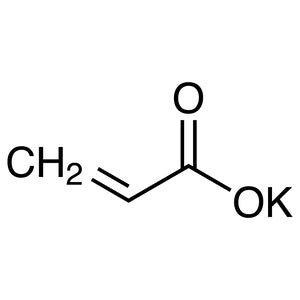
Potassium Acrylate (TCI P2276, CAS 10192-85-5) is a chemical compound widely utilized in laboratory settings for its role in polymer synthesis and material science research. As a monomer, it plays a crucial part in the formation of polymers, particularly in polymerization processes. Its chemical structure makes it a versatile reagent for creating various polymeric materials, such as polyacrylates, which are used in both industrial and scientific applications. This compound is essential for researchers working on polymer chemistry, as it provides a reliable starting point for developing new materials with specific properties.
One of the key attributes that make Potassium Acrylate a preferred choice in laboratories is its chemical stability and high reactivity. These properties allow it to participate effectively in polymerization reactions, ensuring consistent results in experimental setups. Additionally, it exhibits good solubility in organic solvents like ethyl acetate and acetone, which simplifies handling and processing in the lab. Its non-toxic and environmentally friendly nature further enhances its appeal for use in both small-scale and large-scale experiments.
In Indonesian laboratories, Potassium Acrylate is commonly used in research related to polymers, biopolymers, and material modification. It is a staple in academic and research institutions, supporting studies in chemical engineering, materials science, and environmental chemistry. Its availability ensures that researchers can conduct experiments without supply constraints, contributing to the advancement of scientific knowledge in the region.
TCI brochures (PDF)
- Biomaterials Research Reagents 2025-02-19 · p. 9
- Monomers 2025-05-28 · p. 5
Related TCI products
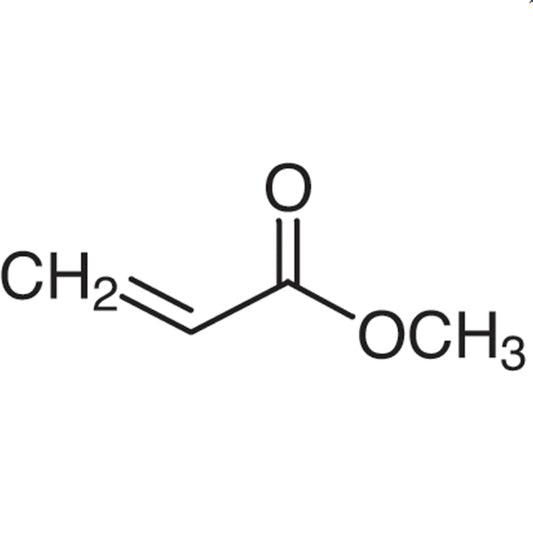
- TCI A0145 96-33-3 Methyl Acrylate (stabilized with MEHQ)
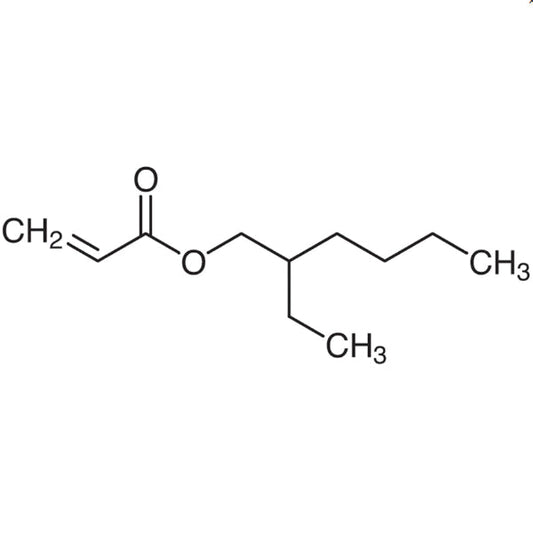
- TCI A0144 103-11-7 2-Ethylhexyl Acrylate Monomer (stabilized with MEHQ)
- TCI A0142 141-32-2 Butyl Acrylate (stabilized with MEHQ)
- TCI U0117 31098-20-1 3-Sulfopropyl Acrylate Potassium Salt
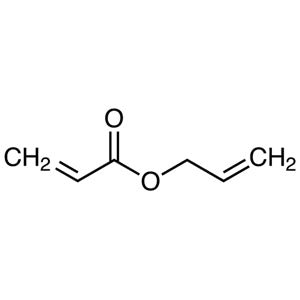
- TCI A1740 999-55-3 Allyl Acrylate (stabilized with MEHQ)
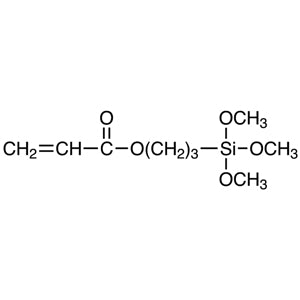
- TCI A1597 4369-14-6 3-(Trimethoxysilyl)propyl Acrylate (stabilized with BHT)
- Polymer Synthesis: Potassium Acrylate is ideal for synthesizing polyacrylates, which are used in coatings, adhesives, and biomedical applications due to their versatility and chemical stability.
- Material Modification: It is frequently used in modifying existing materials to enhance their properties, such as improving flexibility or thermal resistance in polymer-based composites.
- Biopolymer Research: The compound supports studies on biopolymers by providing a stable monomer base for creating biodegradable or bioactive materials.
- Industrial Coating Development: Its solubility and reactivity make it suitable for formulating coatings that offer durability and resistance to environmental factors.
- Environmental Chemistry Studies: It is used in experiments assessing the degradation of polymers and their impact on the environment, aiding in sustainable material development.
| Brand | TCI |
|---|---|
| CAS number | 10192-85-5 |
| Molecular formula | — |
| Purity | — |
| Category | Materials Science > Polymer/Macromolecule Reagents > Monomers |
| Pack sizes | Available in various quantities as per standard laboratory supply options |
| Physical form | Solid or powder, depending on packaging specifications |
| Storage | Store in a cool, dry place away from direct sunlight and moisture |
Potassium Acrylate should be stored in a cool, dry environment to maintain its chemical stability and prevent degradation. It is recommended to use airtight containers to protect it from moisture and contaminants. Due to its solubility in organic solvents, it is important to ensure proper containment to avoid accidental exposure. In laboratory settings, it should be handled with standard chemical safety precautions, including the use of personal protective equipment. While it is non-toxic, care should still be taken during handling to prevent skin or eye contact. Proper labeling and storage conditions will help ensure the safety and effectiveness of the compound in research applications.
—
Product Categories
Produk Terkait
-
MethylAcrylate(stabilizedwithMEHQ) TCI A0145
Regular price From Rp 477.750,00Regular price -
2-EthylhexylAcrylateMonomer(stabilizedwithMEHQ) TCI A0144
Regular price From Rp 505.050,00Regular price -
ButylAcrylate(stabilizedwithMEHQ) TCI A0142
Regular price From Rp 505.050,00Regular price -
3-SulfopropylAcrylatePotassiumSalt TCI U0117
Regular price Rp 1.565.550,00Regular price -
AllylAcrylate(stabilizedwithMEHQ) TCI A1740
Regular price Rp 7.209.300,00Regular price -
3-(Trimethoxysilyl)propylAcrylate(stabilizedwithBHT) TCI A1597
Regular price Rp 5.274.150,00Regular price -
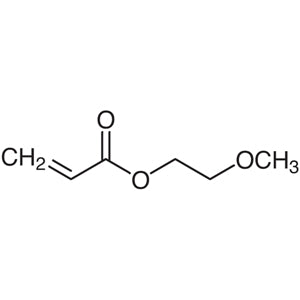
2-MethoxyethylAcrylate(stabilizedwithMEHQ) TCI A1405
Regular price From Rp 505.050,00Regular price -
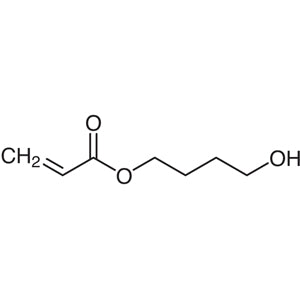
4-HydroxybutylAcrylate(stabilizedwithMEHQ) TCI A1390
Regular price From Rp 557.550,00Regular price