1-Phenylisatin is a chemical compound classified under the heterocyclic category, commonly used as a building block in the synthesis of complex molecules. It plays a vital role in organic chemistry laboratories, where it serves as a versatile intermediate for various chemical reactions. Its unique molecular structure enables it to participate in substitution and condensation reactions, making it a valuable tool for researchers. This compound is widely utilized in the development of bioactive compounds, including antioxidants, antitumor agents, and antimicrobial substances. Its chemical stability and controlled reactivity make it an ideal choice for a wide range of synthetic applications.
The compound's ability to form bonds with various functional groups enhances its utility in the synthesis of heterocyclic compounds. This characteristic allows chemists to design and create new molecules with specific biological activities. Its reactivity can be finely tuned, which is essential for achieving desired outcomes in synthetic pathways. Additionally, its compatibility with a variety of reaction conditions makes it a reliable component in both academic and industrial research settings.
In Indonesian laboratories, 1-Phenylisatin is extensively used in pure and applied chemistry research. It is frequently found in projects related to the synthesis of new compounds, drug development, and molecular reactivity studies. Its availability and consistent properties make it a preferred material for researchers aiming to explore the potential of heterocyclic chemistry in various scientific applications.
- Synthetic chemistry research: 1-Phenylisatin is widely used in the synthesis of heterocyclic compounds due to its versatile reactivity and compatibility with various reaction conditions.
- Drug development projects: Its ability to form bioactive molecules makes it a key component in the development of pharmaceutical compounds with antioxidant and antimicrobial properties.
- Organic reaction studies: The compound is frequently employed in studies examining substitution and condensation reactions, providing insights into molecular reactivity.
- Bioactive compound synthesis: Researchers use it to create compounds with potential therapeutic applications, including antitumor and antimicrobial agents.
- Molecular structure analysis: Its unique molecular framework makes it useful for studying the behavior of heterocyclic compounds in different chemical environments.
| Brand | TCI |
|---|---|
| CAS number | 723-89-7 |
| Molecular formula | — |
| Purity | — |
| Category | Chemistry > Building Blocks > Heterocyclic Building Blocks |
| Pack sizes | Available in various quantities as per standard laboratory supply formats |
| Physical form | Solid, typically in crystalline form |
| Storage | Store in a cool, dry place away from direct sunlight and moisture |
1-Phenylisatin should be stored in a cool, dry environment to maintain its chemical stability. It is recommended to keep the compound in a sealed container to prevent exposure to moisture and air. Suitable storage containers include glass or high-density polyethylene (HDPE) bottles with airtight closures. Laboratory personnel should handle the compound with care, using appropriate personal protective equipment such as gloves and safety goggles. It is important to avoid contact with incompatible substances and ensure proper ventilation in the workspace. Regular monitoring of storage conditions helps maintain the integrity and effectiveness of the compound in research applications.
—
Produk Terkait
-
1-Benzylisatin TCI B4751
Regular price Rp 3.658.200,00Regular priceRp 2.573.550,00Sale price Rp 3.658.200,00 -
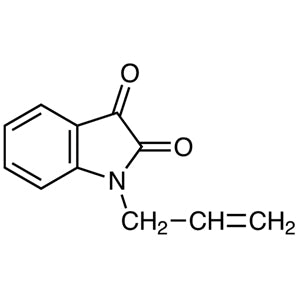
1-Allylisatin TCI A2943
Regular price Rp 4.664.100,00Regular priceRp 3.277.050,00Sale price Rp 4.664.100,00 -
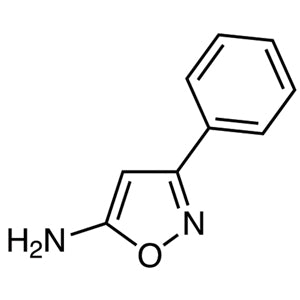
5-Amino-3-phenylisoxazole TCI A2437
Regular price Rp 2.359.350,00Regular priceRp 1.665.300,00Sale price Rp 2.359.350,00 -
3-Phenylisoxazole-5-carboxylicAcid TCI P2390
Regular price From Rp 2.384.550,00Regular priceRp 1.683.150,00Sale price From Rp 2.384.550,00 -
(5-Phenylisoxazol-3-yl)methanol TCI P2386
Regular price From Rp 3.735.900,00Regular priceRp 2.628.150,00Sale price From Rp 3.735.900,00 -
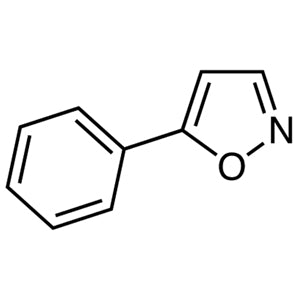
5-Phenylisoxazole TCI P2309
Regular price From Rp 1.618.050,00Regular priceRp 1.146.600,00Sale price From Rp 1.618.050,00 -
6-Phenylisocytosine TCI P2123
Regular price From Rp 1.988.700,00Regular priceRp 1.405.950,00Sale price From Rp 1.988.700,00 -
5-Phenylisoxazole-3-carboxylicAcid TCI P2020
Regular price From Rp 2.068.500,00Regular priceRp 1.461.600,00Sale price From Rp 2.068.500,00