TCI P2465 Pyrimidine-2-sulfonyl Fluoride (CAS 35762-87-9) is a synthetic reagent made of a pyrimidine ring with a sulfonyl fluoride group at the 2-position. It belongs to the family of fluorination reagents. In modern synthetic chemistry, heteroaromatic sulfonyl fluorides like this one are known as deoxyfluorination reagents, which convert the hydroxyl group of an alcohol into a fluoride. The compound is also relevant to SuFEx (sulfur(VI) fluoride exchange) chemistry. In the laboratory, it supports the introduction of fluorine atoms into organic molecules.
Chemists often choose this reagent because sulfonyl fluorides are generally more stable and easier to handle than some classical deoxyfluorination reagents, which can be highly reactive and sensitive. The pyrimidine ring is strongly electron-deficient, and this affects the reactivity of the attached sulfonyl group. When used with a suitable base, the alcohol is first activated as a sulfonate ester, and a fluoride ion then displaces it. This approach is valued because it can suppress elimination side reactions with certain substrates, which gives cleaner conversion to the desired fluorinated product.
In Indonesia, this reagent is relevant to laboratories working in synthetic organic chemistry, medicinal chemistry, and radiopharmaceutical chemistry. These research groups often need dependable ways to place fluorine atoms in target molecules, whether to adjust the properties of drug candidates or to prepare fluorinated building blocks. University research laboratories, pharmaceutical development teams, and institutional research centres can use it in exploratory synthesis, in method development, and in teaching advanced fluorination and SuFEx concepts to postgraduate researchers.
TCI brochures (PDF)
- Halogenation Reagents 2026-04-03 · p. 5
- Fluorination Reagents, Fluorinated Building Blocks 2026-03-18 · p. 7
Related TCI products
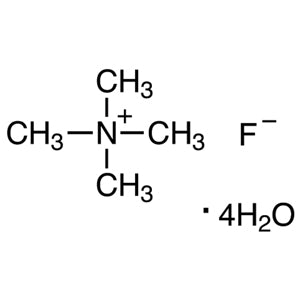
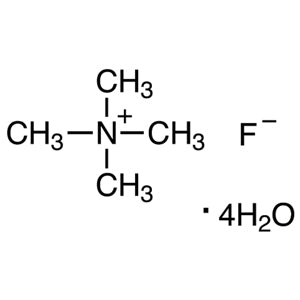
- TCI T2754 17787-40-5 Tetramethylammonium Fluoride Tetrahydrate
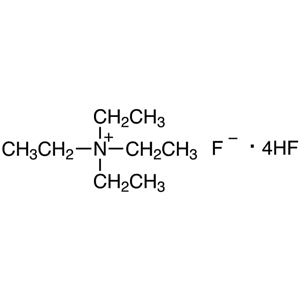
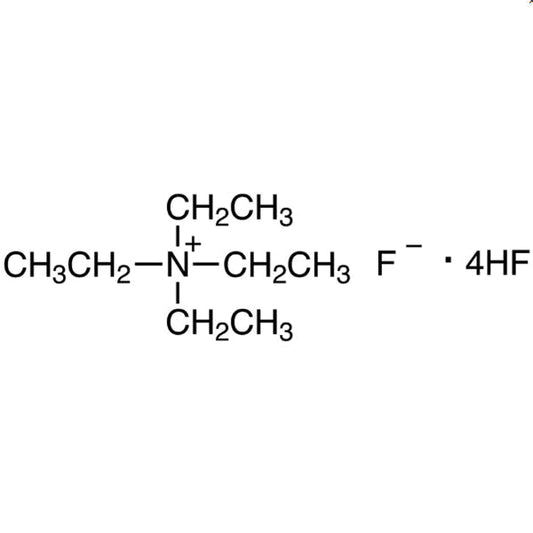
- TCI T2027 145826-81-9 Tetraethylammonium Fluoride Tetrahydrofluoride
- TCI T1339 429-41-4 Tetrabutylammonium Fluoride (70-75% in Water)
- TCI T1338 429-41-4 Tetrabutylammonium Fluoride (ca 1mol/L in Tetrahydrofuran)
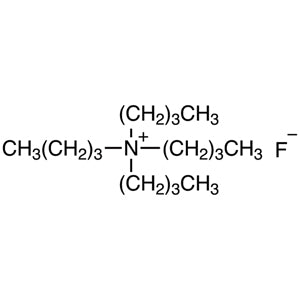
- TCI T1037 22206-57-1 Tetrabutylammonium Fluoride Hydrate [for Catalyst of silylation and cleavage of silyl ether]
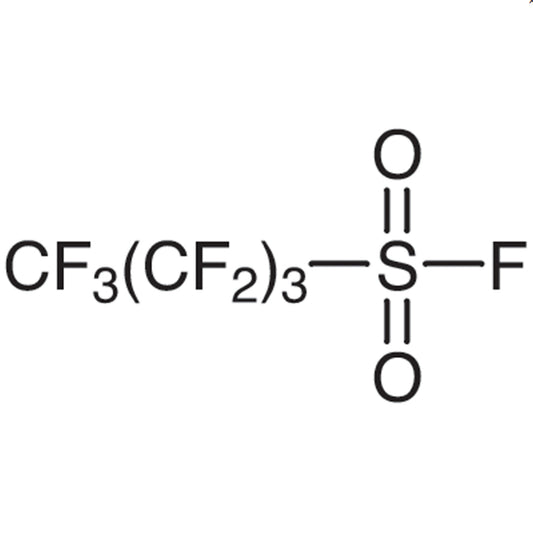
- TCI P1098 375-72-4 Perfluoro-1-butanesulfonyl Fluoride
- Deoxyfluorination of alcohols: the reagent converts alcohol hydroxyl groups into fluorides by forming a sulfonate ester intermediate that a fluoride ion then displaces in the presence of a suitable base.
- Fluorination with fewer side products: this activation-and-displacement pathway can suppress elimination side reactions on certain substrates, so it is useful when other reagents give unwanted alkene byproducts.
- SuFEx (sulfur(VI) fluoride exchange) chemistry: the sulfonyl fluoride group makes the compound relevant to SuFEx studies, where sulfur(VI)–fluoride bonds are used as dependable connecting points in synthesis.
- Medicinal chemistry research: it supports the introduction of fluorine atoms into organic molecules, which medicinal chemists often need when they modify and study candidate compounds and their analogues.
- Radiopharmaceutical and method-development studies: radiopharmaceutical chemistry groups that need ways to install fluorine on organic scaffolds can use it in developing and comparing fluorination methods.
| Brand | TCI (product code P2465) |
|---|---|
| CAS number | 35762-87-9 |
| Molecular formula | — |
| Purity | — |
| Category | Chemistry > Synthetic Reagents > Fluorination Reagents |
| Pack sizes | as listed in the TCI catalogue; please check current availability with AMI Scientific |
| Physical form | not stated here; please see the TCI product label and certificate of analysis |
| Storage | keep tightly closed and follow the storage conditions on the TCI label and Safety Data Sheet |
Store Pyrimidine-2-sulfonyl Fluoride in its original, tightly sealed TCI container. Keep it in a cool, dry, well-ventilated place, away from moisture, strong bases, and incompatible materials, and follow any temperature or inert-atmosphere instructions on the product label. Handle the reagent in a fume hood and wear suitable personal protective equipment, including gloves, safety glasses, and a lab coat. Avoid inhalation, skin contact, and eye contact. Fluorination reactions can release hazardous fluoride-containing byproducts, so plan workup and waste disposal carefully. Before use, read the Safety Data Sheet and follow your institution's chemical safety and waste procedures.
—
Produk Terkait
-
TetramethylammoniumFluorideTetrahydrate TCI T2754
Regular price From Rp 1.115.100,00Regular price -
TetraethylammoniumFluorideTetrahydrofluoride TCI T2027
Regular price Rp 4.133.850,00Regular price -
TetrabutylammoniumFluoride(70-75%inWater) TCI T1339
Regular price From Rp 769.650,00Regular price -
TetrabutylammoniumFluoride(ca1mol/LinTetrahydrofuran) TCI T1338
Regular price From Rp 664.650,00Regular price -
TetrabutylammoniumFluorideHydrate[forCatalystofsilylationandcleavageofsilylether] TCI T1037
Regular price From Rp 4.028.850,00Regular price -
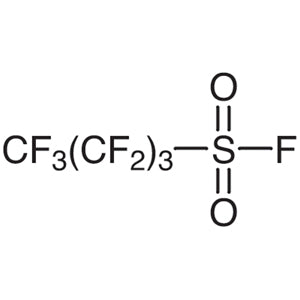
Perfluoro-1-butanesulfonylFluoride TCI P1098
Regular price From Rp 1.405.950,00Regular price -
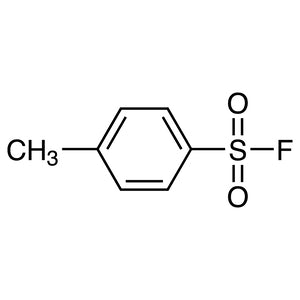
4-MethylbenzenesulfonylFluoride TCI M3518
Regular price From Rp 1.803.900,00Regular price -
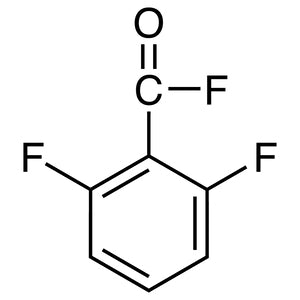
2,6-DifluorobenzoylFluoride TCI D6292
Regular price From Rp 1.220.100,00Regular price

![22206-57-1 Tetrabutylammonium Fluoride Hydrate [for Catalyst of silylation and cleavage of silyl ether] - AMI Scientific](http://amiscientific.com/cdn/shop/files/TCI2510T1037.jpg?v=1768206363&width=533)
![22206-57-1 Tetrabutylammonium Fluoride Hydrate [for Catalyst of silylation and cleavage of silyl ether] - AMI Scientific](http://amiscientific.com/cdn/shop/files/TCI2510T1037_0351390a-1307-46ee-aff3-d705aa015f4b.jpg?v=1768363189&width=533)