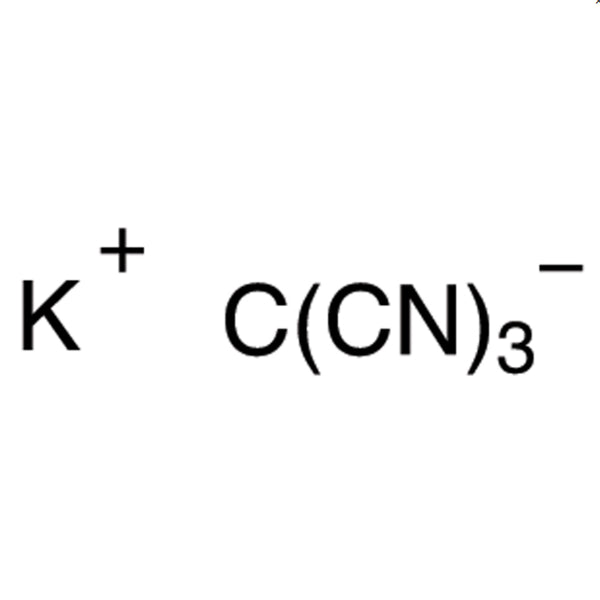
Potassium Tricyanomethanide (KTCM), with the CAS number 34171-69-2, is a chemical compound widely used in scientific research, particularly in the fields of materials science and battery technology. This compound plays a vital role in laboratory settings as a key component in the development of battery electrolytes. Its unique molecular structure enables it to interact effectively with various ions, making it essential for the synthesis of advanced materials and the enhancement of electrochemical performance. Due to its reactivity and functional properties, KTCM is a valuable tool for researchers working on high-capacity battery systems and other electrochemical applications.
KTCM is preferred for its chemical stability under controlled conditions and its solubility in organic solvents. These properties make it ideal for use in complex chemical reactions and synthesis processes. Its ability to participate in redox reactions further enhances its relevance in electrochemical studies. However, it is important to note that KTCM is sensitive to moisture and oxidation, requiring careful handling and storage to maintain its integrity. This sensitivity underscores the need for precise laboratory protocols when working with this compound.
In Indonesian laboratories, KTCM is commonly utilized by researchers in energy and material science. It is a key material in the development of advanced battery technologies and other electrochemical systems. Its availability in crystalline form and good solubility make it a practical choice for a wide range of experimental applications. As a result, KTCM remains a critical component in the research and development activities of Indonesian scientific institutions.
TCI brochures (PDF)
- Battery Research Reagents 2026-09-18 · p. 4
Related TCI products
- TCI O0489 36603-80-2 Sodium Tricyanomethanide
- TCI L0308 Lithium Tricyanomethanide - Acetonitrile Complex
- TCI Z0057-5G 54010-75-2 Zinc(II) Trifluoromethanesulfonate [for Electrolyte]
- TCI B2543 90076-67-8 Potassium Bis(trifluoromethanesulfonyl)imide
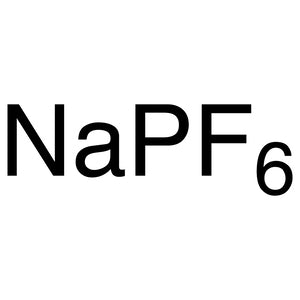
- TCI S0392 21324-39-0 Sodium Hexafluorophosphate
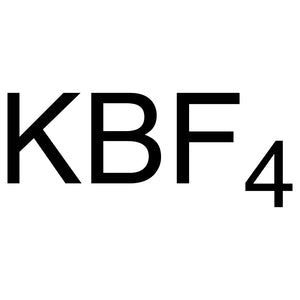
- TCI P2565 14075-53-7 Potassium Tetrafluoroborate
- Battery Electrolyte Development: KTCM is used to create high-performance electrolytes for rechargeable batteries due to its ion interaction properties and solubility.
- Electrochemical Research: Its participation in redox reactions makes it suitable for studies in electrochemistry and energy storage systems.
- Material Synthesis: The compound is a key reagent in the synthesis of various functional materials, especially those with electrochemical applications.
- High-Capacity Battery Research: KTCM contributes to the development of advanced battery systems by enhancing ion transport and conductivity.
- Organic Chemistry Reactions: Its solubility in organic solvents makes it a useful component in complex chemical synthesis processes.
| Brand | TCI |
|---|---|
| CAS number | 34171-69-2 |
| Molecular formula | — |
| Purity | — |
| Category | Materials Science > Battery Materials > Battery Electrolytes |
| Pack sizes | Available in various quantities as per standard laboratory supply |
| Physical form | Crystalline solid |
| Storage | Requires dry, cool, and well-ventilated storage to prevent moisture and oxidation |
KTCM should be stored in a dry, cool, and well-ventilated area to prevent moisture and oxidation, which can degrade its properties. It is recommended to use airtight containers made of inert materials such as glass or polyethylene to minimize exposure to air and humidity. Due to its reactivity, it should be handled with care, using appropriate personal protective equipment like gloves and safety goggles. Avoid contact with water or oxidizing agents to maintain its chemical integrity. In laboratory settings, KTCM should be stored away from incompatible substances and in a location that ensures safe access and proper labeling. Regular monitoring of storage conditions is essential to ensure the compound remains stable and suitable for use in research applications.
—
Produk Terkait
-
SodiumTricyanomethanide TCI O0489
Regular price From Rp 2.306.850,00Regular price -
LithiumTricyanomethanide-AcetonitrileComplex TCI L0308
Regular price From Rp 2.916.900,00Regular price -
Zinc(II)Trifluoromethanesulfonate[forElectrolyte] TCI Z0057-5G
Regular price Rp 1.326.150,00Regular price -
PotassiumBis(trifluoromethanesulfonyl)imide TCI B2543
Regular price From Rp 664.650,00Regular price -
SodiumHexafluorophosphate TCI S0392
Regular price Rp 2.121.000,00Regular price -
PotassiumTetrafluoroborate TCI P2565
Regular price From Rp 610.050,00Regular price -
Potassium(Fluorosulfonyl)(trifluoromethanesulfonyl)imide TCI P2410
Regular price From Rp 1.988.700,00Regular price -
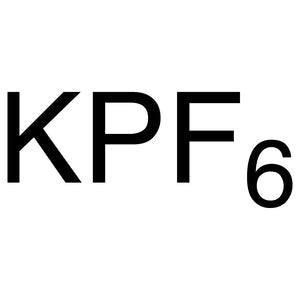
PotassiumHexafluorophosphate TCI P1023
Regular price From Rp 689.850,00Regular price


![54010-75-2 Zinc(II) Trifluoromethanesulfonate [for Electrolyte] - AMI Scientific](http://amiscientific.com/cdn/shop/files/TCI2510Z0057_9ad4d559-5f76-4c77-b1e0-21de52a28b66.jpg?v=1769181390&width=533)