Potassium Tetrafluoroborate (KBF₄) is a chemical compound widely used in various chemical reactions and catalytic processes within laboratory settings. As a stable ionic compound, it serves as a reliable source of fluoride ions in laboratory environments. Its unique chemical structure allows it to interact effectively with a range of compounds, making it a versatile reagent in both organic and inorganic synthesis. This compound is particularly valuable in applications where fluoride ions are essential for catalytic activity or reaction mechanisms. Its chemical stability and solubility make it an essential tool for researchers working in diverse chemical fields.
The properties of KBF₄ that make it a preferred choice include its high solubility in water and its ability to remain chemically stable under controlled conditions. These characteristics ensure that it can be easily incorporated into various chemical solutions without compromising the integrity of the reaction. Additionally, its thermal stability allows it to be used in environments where temperature control is necessary. The compound’s reactivity with different substances further enhances its utility, as it can be tailored to suit specific experimental requirements. These features collectively contribute to its widespread use in both academic and industrial research settings.
In Indonesian laboratories, KBF₄ is commonly used in chemical research, especially in catalysis and the synthesis of complex compounds. Its application in electrochemical processes and as a reagent in fluoride-dependent reactions highlights its importance in both fundamental and applied research. The compound’s ease of handling and solubility make it a practical choice for researchers looking to conduct experiments that require fluoride ions without complicating the reaction environment.
TCI brochures (PDF)
- Battery Research Reagents 2026-09-18 · p. 3
- Metallic Salts 2025-11-06 · p. 10
- Boron Compounds 2025-10-07 · p. 24
Related TCI products
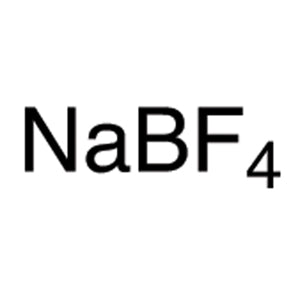
- TCI O0494 13755-29-8 Sodium Tetrafluoroborate
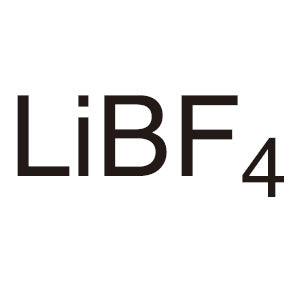
- TCI L0133 14283-07-9 Lithium Tetrafluoroborate
- TCI P2410 860653-59-4 Potassium (Fluorosulfonyl)(trifluoromethanesulfonyl)imide
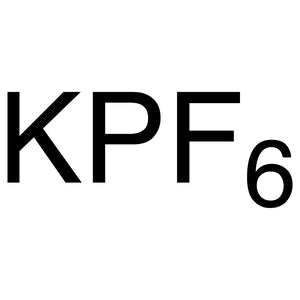
- TCI P1023 17084-13-8 Potassium Hexafluorophosphate
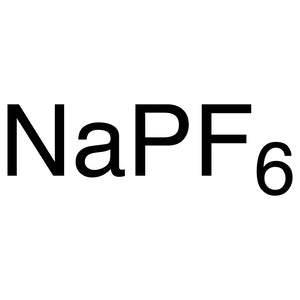
- TCI S0392 21324-39-0 Sodium Hexafluorophosphate
- TCI Z0057-5G 54010-75-2 Zinc(II) Trifluoromethanesulfonate [for Electrolyte]
- Catalytic Reactions: KBF₄ is ideal for catalytic processes due to its ability to provide fluoride ions, which are essential for activating substrates and facilitating reaction pathways.
- Organic Synthesis: Its use in organic synthesis is widespread because it can participate in various reaction mechanisms, including nucleophilic substitutions and acid-base reactions.
- Electrochemical Processes: The compound is frequently used in electrochemical applications due to its stable ionic nature and ability to maintain ion balance in electrolytic solutions.
- Inorganic Chemistry Research: KBF₄ is a key reagent in inorganic chemistry studies, particularly in the preparation of fluoride-containing compounds and metal complexes.
- Fluoride-Dependent Reactions: Its role as a fluoride source makes it suitable for reactions where fluoride ions are required to drive specific chemical transformations.
| Brand | TCI |
|---|---|
| CAS number | 14075-53-7 |
| Molecular formula | — |
| Purity | — |
| Category | Chemistry > Catalysis and Inorganic Chemistry > Main-group Elements |
| Pack sizes | Available in various sizes as per supplier specifications |
| Physical form | Solid powder |
| Storage | Store in a cool, dry place away from moisture and incompatible substances |
KBF₄ should be stored in a cool, dry environment to maintain its chemical stability and prevent degradation. It is recommended to use airtight containers to protect it from moisture and humidity, which can affect its solubility and reactivity. Due to its ionic nature, it is important to handle the compound with care to avoid contamination from incompatible substances. In laboratory settings, it should be kept away from strong acids or bases to prevent unwanted reactions. Proper labeling and storage conditions ensure the safety of both the compound and the personnel working with it. Always follow standard laboratory safety protocols when handling and storing this material.
—
Product Categories
- Catalysis and Inorganic ChemistryMain-group Elements [Catalysis and Inorganic Chemistry]Potassium [Catalysis and Inorganic Chemistry]
- Catalysis and Inorganic ChemistryMetallic Salts [Catalysis and Inorganic Chemistry]Tetrafluoroborates, Tetracyanoborates, Tetrahydroborates, Difluoro(oxalato)borates [Metallic Salts]
Produk Terkait
-
SodiumTetrafluoroborate TCI O0494
Regular price From Rp 505.050,00Regular priceRp 352.800,00Sale price From Rp 505.050,00 -
LithiumTetrafluoroborate TCI L0133
Regular price Rp 2.386.650,00Regular priceRp 1.668.450,00Sale price Rp 2.386.650,00 -
Potassium(Fluorosulfonyl)(trifluoromethanesulfonyl)imide TCI P2410
Regular price From Rp 2.041.200,00Regular priceRp 1.442.700,00Sale price From Rp 2.041.200,00 -
PotassiumHexafluorophosphate TCI P1023
Regular price From Rp 689.850,00Regular priceRp 481.950,00Sale price From Rp 689.850,00 -
SodiumHexafluorophosphate TCI S0392
Regular price Rp 2.121.000,00Regular priceRp 1.482.600,00Sale price Rp 2.121.000,00 -
Zinc(II)Trifluoromethanesulfonate[forElectrolyte] TCI Z0057-5G
Regular price Rp 1.326.150,00Regular priceRp 927.150,00Sale price Rp 1.326.150,00 -
PotassiumBis(trifluoromethanesulfonyl)imide TCI B2543
Regular price From Rp 717.150,00Regular priceRp 516.600,00Sale price From Rp 717.150,00 -
LithiumDifluoro(oxalato)borate TCI L0370
Regular price From Rp 1.326.150,00Regular priceRp 927.150,00Sale price From Rp 1.326.150,00