Sodium Hexafluorophosphate (NaPF₆) is a chemical compound widely used in various chemical reactions and catalytic processes within laboratory settings. This material is a key component in synthetic chemistry, particularly in the preparation of organic and inorganic compounds. Its unique ionic structure, composed of sodium and hexafluorophosphate ions, provides exceptional chemical and physical stability. Due to its inert nature, NaPF₆ is a reliable reagent for complex chemical syntheses and electrochemical applications. It is also commonly used in the development of electrolyte solutions for batteries and electrochemical cells.
The chemical stability and high solubility of NaPF₆ make it a preferred choice for laboratory use. It dissolves well in both organic solvents and water, allowing for versatile application in different experimental setups. Its resistance to decomposition and high melting point ensure that it remains effective under a wide range of conditions. These properties make it suitable for use in environments that require chemical stability, such as high-temperature or corrosive conditions. Additionally, its inert nature minimizes unwanted side reactions, making it ideal for precision chemical processes.
In Indonesian laboratories, NaPF₆ is commonly used in chemical research, particularly in catalysis, synthesis of compounds, and electrochemical studies. It plays a crucial role in supporting advanced research and development activities. Its availability and reliability make it a standard reagent for both academic and industrial research in the country. The compound is essential for maintaining the accuracy and efficiency of chemical experiments in various scientific fields.
TCI brochures (PDF)
- Sodium Electrolytes 2025-09-19 · p. 1
- Battery Research Reagents 2026-09-18 · p. 3
- Metallic Salts 2025-11-06 · p. 8
Related TCI products
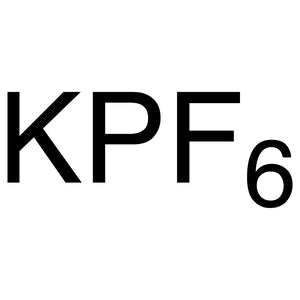
- TCI P1023 17084-13-8 Potassium Hexafluorophosphate
- TCI L0146 21324-40-3 Lithium Hexafluorophosphate
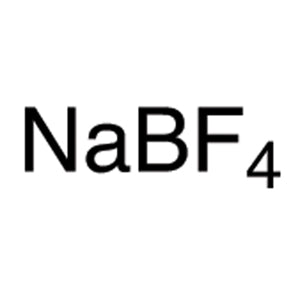
- TCI O0494 13755-29-8 Sodium Tetrafluoroborate
- TCI S0981 26042-63-7 Silver Hexafluorophosphate
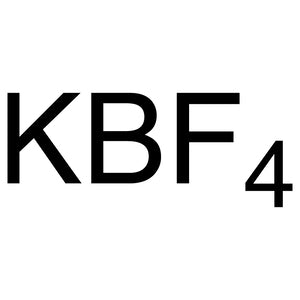
- TCI P2565 14075-53-7 Potassium Tetrafluoroborate
- TCI P2410 860653-59-4 Potassium (Fluorosulfonyl)(trifluoromethanesulfonyl)imide
- Catalytic Reactions: Sodium Hexafluorophosphate is ideal for catalytic processes due to its chemical stability and inert nature, allowing it to facilitate reactions without interfering.
- Electrochemical Research: It is widely used in the development of electrolyte solutions for batteries and electrochemical cells due to its high solubility and stable properties.
- Organic Synthesis: Its ability to dissolve in both organic and aqueous solvents makes it a valuable reagent in the synthesis of organic compounds.
- Inorganic Compound Preparation: Its stability and reactivity make it suitable for the synthesis of various inorganic compounds under controlled conditions.
- Corrosive Environment Studies: The compound’s resistance to decomposition and high melting point make it suitable for experiments in corrosive or high-temperature environments.
| Brand | TCI |
|---|---|
| CAS number | 21324-39-0 |
| Molecular formula | — |
| Purity | — |
| Category | Chemistry > Catalysis and Inorganic Chemistry > Main-group Elements [Catalysis and Inorganic Chemistry] |
| Pack sizes | Available in various quantities as per supplier specifications |
| Physical form | Solid powder |
| Storage | Store in a cool, dry place away from moisture and direct sunlight |
Sodium Hexafluorophosphate should be stored in a cool, dry place, away from moisture and direct sunlight to maintain its chemical stability. It is recommended to use airtight containers made of materials that are chemically inert, such as glass or polyethylene, to prevent any reaction with the environment. In laboratory settings, it is important to handle the compound with care, using appropriate personal protective equipment such as gloves and safety goggles. Due to its inert nature, it generally does not react with common laboratory materials, but proper handling is still essential to ensure safety. The compound should not be exposed to high temperatures or sources of ignition, as it may affect its stability. Always follow standard laboratory safety protocols when working with this reagent.
—
Product Categories
- Catalysis and Inorganic ChemistryMain-group Elements [Catalysis and Inorganic Chemistry]Sodium [Catalysis and Inorganic Chemistry]
- Catalysis and Inorganic ChemistryMetallic Salts [Catalysis and Inorganic Chemistry]Hexafluorophosphate Salts [Metallic Salts]
- Synthetic ReagentsInorganic Salts [Synthetic Reagents]
Produk Terkait
-
PotassiumHexafluorophosphate TCI P1023
Regular price From Rp 689.850,00Regular priceRp 481.950,00Sale price From Rp 689.850,00 -
LithiumHexafluorophosphate TCI L0146
Regular price From Rp 2.227.050,00Regular priceRp 1.557.150,00Sale price From Rp 2.227.050,00 -
SodiumTetrafluoroborate TCI O0494
Regular price From Rp 505.050,00Regular priceRp 352.800,00Sale price From Rp 505.050,00 -
SilverHexafluorophosphate TCI S0981
Regular price From Rp 1.829.100,00Regular priceRp 1.278.900,00Sale price From Rp 1.829.100,00 -
PotassiumTetrafluoroborate TCI P2565
Regular price From Rp 610.050,00Regular priceRp 426.300,00Sale price From Rp 610.050,00 -
Potassium(Fluorosulfonyl)(trifluoromethanesulfonyl)imide TCI P2410
Regular price From Rp 2.041.200,00Regular priceRp 1.442.700,00Sale price From Rp 2.041.200,00 -
Zinc(II)Trifluoromethanesulfonate[forElectrolyte] TCI Z0057-5G
Regular price Rp 1.326.150,00Regular priceRp 927.150,00Sale price Rp 1.326.150,00 -
PotassiumBis(trifluoromethanesulfonyl)imide TCI B2543
Regular price From Rp 717.150,00Regular priceRp 516.600,00Sale price From Rp 717.150,00