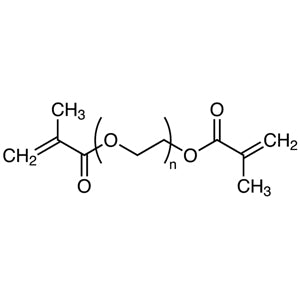
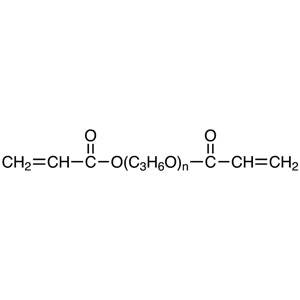
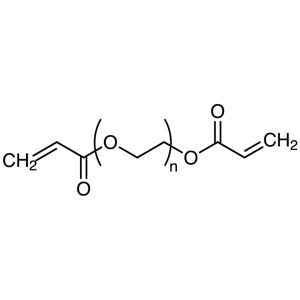
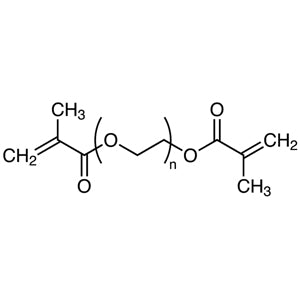
Polyethylene Glycol Diacrylate (PEGDA) is a chemical compound widely used in laboratory applications related to polymerization and the synthesis of complex molecules. It is a key reagent in materials science, particularly in the development of polymers with tunable mechanical properties. The molecule consists of a polyethylene glycol chain connected by two acrylate groups, enabling it to undergo polymerization reactions under controlled conditions. This makes it a versatile material for creating cross-linked networks with specific physical and chemical characteristics.
PEGDA is preferred due to its high reactivity and stability under appropriate processing conditions, such as the use of photoinitiators or thermal initiators. Its ability to form stable polymer networks makes it ideal for applications requiring mechanical strength and chemical resistance. The stabilization with MEHQ (methyl ethyl ketone peroxide) ensures that the material remains safe and non-degradable until it is ready for use. These properties make it a reliable choice for precise and consistent synthesis processes in research settings.
In Indonesian laboratories, PEGDA is highly relevant for research in materials science, biomedical engineering, and advanced technologies. It is commonly used in the development of composite materials, coatings, and biomedical devices. Its versatility and performance make it a valuable tool for researchers aiming to innovate in these fields. Many research institutions and universities in Indonesia rely on PEGDA for the creation of new products and materials.
TCI brochures (PDF)
- Biomaterials Research Reagents 2025-02-19 · p. 12
- Monomers 2025-05-28 · p. 9
Related TCI products
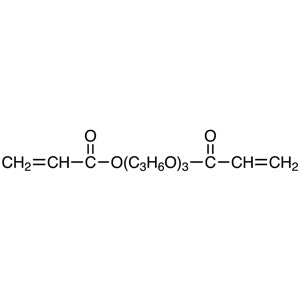
- TCI T2389 42978-66-5 Tripropylene Glycol Diacrylate (stabilized with MEHQ)
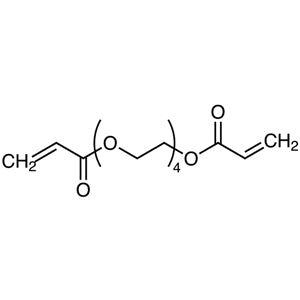
- TCI T1569 17831-71-9 Tetraethylene Glycol Diacrylate (stabilized with MEHQ)
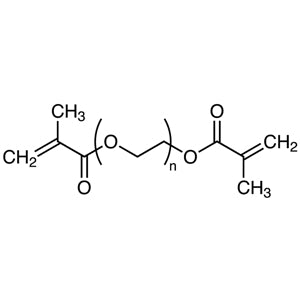
- TCI T1352 25852-47-5 Polyethylene Glycol Dimethacrylate (n=approx 4) (stabilized with MEHQ)
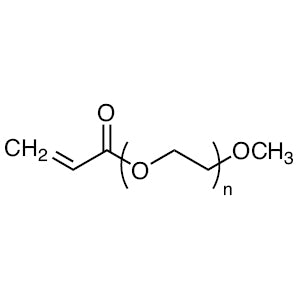
- TCI P2870 32171-39-4 Polyethylene Glycol Monomethyl Ether Acrylate (n=approx 13) (stabilized with MEHQ)
- TCI P2760 25852-47-5 Polyethylene Glycol Dimethacrylate (n=approx 14) (stabilized with MEHQ)
- TCI P2759 52496-08-9 Polypropylene Glycol Diacrylate (n=approx 12) (stabilized with MEHQ)
- Polymer synthesis and cross-linking applications benefit from PEGDA’s ability to form stable, tunable polymer networks.
- Biomedical device development utilizes PEGDA for creating biocompatible and durable materials in tissue engineering.
- Composite material fabrication relies on PEGDA to enhance mechanical properties and structural integrity in polymer-based composites.
- Coating and surface modification projects use PEGDA to produce thin, durable films with controlled chemical and physical properties.
- Advanced material research incorporates PEGDA to explore new polymer architectures and functional properties in materials science.
| Brand | TCI |
|---|---|
| CAS number | 26570-48-9 |
| Molecular formula | — |
| Purity | — |
| Category | Materials Science > Polymer/Macromolecule Reagents > Monomers |
| Pack sizes | — |
| Physical form | — |
| Storage | Store in a cool, dry place away from light and heat sources |
PEGDA should be stored in a cool, dry environment, away from direct light and heat sources to maintain its stability and reactivity. It is recommended to use airtight containers to prevent moisture absorption and contamination. Due to its chemical reactivity, it should be handled in a well-ventilated area, and appropriate personal protective equipment such as gloves and safety goggles should be worn. Avoid exposure to incompatible substances and ensure proper disposal according to local regulations. Regular monitoring of storage conditions is advised to ensure the material remains in optimal condition for laboratory use.
—
Product Categories
Produk Terkait
-
TripropyleneGlycolDiacrylate(stabilizedwithMEHQ) TCI T2389
Regular price From Rp 477.750,00Regular price -
TetraethyleneGlycolDiacrylate(stabilizedwithMEHQ) TCI T1569
Regular price Rp 955.500,00Regular price -
PolyethyleneGlycolDimethacrylate(n=approx4)(stabilizedwithMEHQ) TCI T1352
Regular price From Rp 505.050,00Regular price -
PolyethyleneGlycolMonomethylEtherAcrylate(n=approx13)(stabilizedwithMEHQ) TCI P2870
Regular price From Rp 1.035.300,00Regular price -
PolyethyleneGlycolDimethacrylate(n=approx14)(stabilizedwithMEHQ) TCI P2760
Regular price From Rp 610.050,00Regular price -
PolypropyleneGlycolDiacrylate(n=approx12)(stabilizedwithMEHQ) TCI P2759
Regular price From Rp 769.650,00Regular price -
PolyethyleneGlycolDiacrylate(n=approx4)(stabilizedwithMEHQ) TCI P2756
Regular price From Rp 557.550,00Regular price -
PolyethyleneGlycolDimethacrylate(n=approx9)(stabilizedwithMEHQ) TCI P2709
Regular price From Rp 610.050,00Regular price