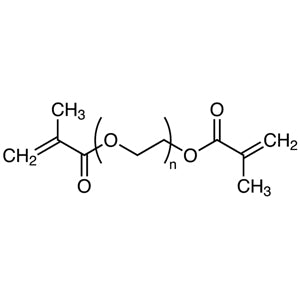
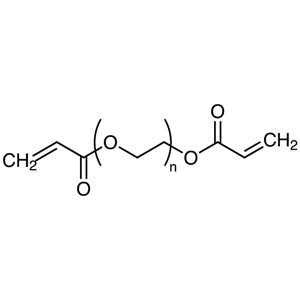
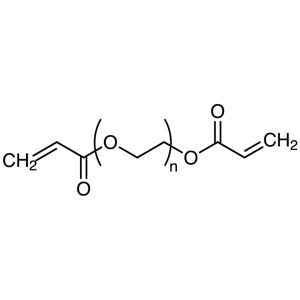
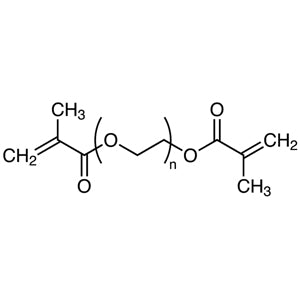
Polypropylene Glycol Diacrylate (PPGD) is a chemical compound widely used in laboratory applications related to polymerization and chemical reactions. As a monomer, PPGD serves as a foundational building block for creating acrylic-based polymers that exhibit high elasticity and durability. Its versatility makes it an essential component in various research fields, including materials science and chemical engineering. In the laboratory, PPGD is employed to develop polymer structures that can be reshaped through photopolymerization or thermopolymerization processes. This compound is particularly valuable for its ability to participate in a wide range of chemical reactions, making it a key material for synthetic and analytical experiments.
PPGD is known for its stable chemical properties and high reactivity, which make it a preferred choice for researchers. The compound has been stabilized with MEHQ, enhancing its resistance to oxidation and degradation. This stabilization ensures a longer shelf life and safer handling, making it reliable for long-term use in laboratory settings. Its chemical stability and reactivity allow it to be used in diverse applications, from creating composite materials to developing coatings and adhesives. The combination of these properties ensures that PPGD remains a valuable tool in both academic and industrial research environments.
In Indonesian laboratories, PPGD is a critical material for research in materials science, chemistry, and engineering. It is commonly used in the development of new materials, such as water-resistant coatings and structural adhesives. Many research institutions and universities in Indonesia rely on PPGD for experimental work, particularly in projects involving polymer synthesis and functional material development. Its availability and reliability make it a popular choice for both basic and advanced research applications.
TCI brochures (PDF)
- Biomaterials Research Reagents 2025-02-19 · p. 12
- Monomers 2025-05-28 · p. 9
Related TCI products
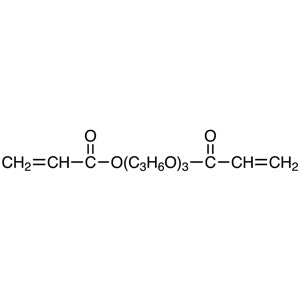
- TCI T2389 42978-66-5 Tripropylene Glycol Diacrylate (stabilized with MEHQ)
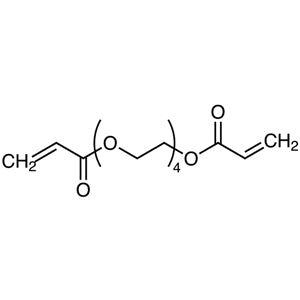
- TCI T1569 17831-71-9 Tetraethylene Glycol Diacrylate (stabilized with MEHQ)
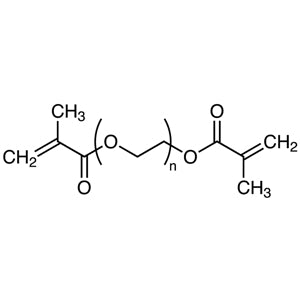
- TCI T1352 25852-47-5 Polyethylene Glycol Dimethacrylate (n=approx 4) (stabilized with MEHQ)
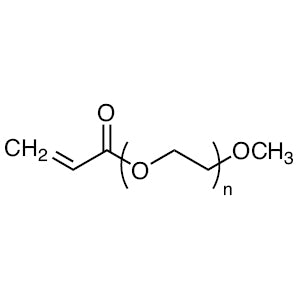
- TCI P2870 32171-39-4 Polyethylene Glycol Monomethyl Ether Acrylate (n=approx 13) (stabilized with MEHQ)
- TCI P2760 25852-47-5 Polyethylene Glycol Dimethacrylate (n=approx 14) (stabilized with MEHQ)
- TCI P2757 26570-48-9 Polyethylene Glycol Diacrylate (n=approx 14) (stabilized with MEHQ)
- Polymer synthesis and composite material development due to its high reactivity and ability to form cross-linked networks.
- Photopolymerization and thermopolymerization experiments because of its compatibility with UV and heat-induced curing processes.
- Coating and adhesive formulations as it provides flexibility and durability in final polymer structures.
- Chemical reaction studies due to its stability and ability to participate in various synthetic pathways.
- Research in materials science for creating advanced polymers with tailored mechanical and chemical properties.
| Brand | TCI |
|---|---|
| CAS number | 52496-08-9 |
| Molecular formula | — |
| Purity | — |
| Category | Materials Science > Polymer/Macromolecule Reagents > Monomers |
| Pack sizes | — |
| Physical form | Liquid |
| Storage | Store in a cool, dry place away from light and heat sources. |
PPGD should be stored in a cool, dry environment, away from direct light and heat sources to maintain its stability and prevent degradation. It is recommended to use sealed containers made of materials compatible with organic solvents to avoid contamination and evaporation. Due to its chemical reactivity, it should be handled with appropriate personal protective equipment, such as gloves and safety goggles, to ensure laboratory safety. Proper ventilation is essential when working with this compound to minimize exposure to vapors. Regular monitoring of storage conditions will help maintain the integrity and effectiveness of the material for laboratory use.
—
Product Categories
Produk Terkait
-
TripropyleneGlycolDiacrylate(stabilizedwithMEHQ) TCI T2389
Regular price Rp 477.750,00Regular priceRp 333.900,00Sale price Rp 477.750,00 -
TetraethyleneGlycolDiacrylate(stabilizedwithMEHQ) TCI T1569
Regular price Rp 955.500,00Regular priceRp 667.800,00Sale price Rp 955.500,00 -
PolyethyleneGlycolDimethacrylate(n=approx4)(stabilizedwithMEHQ) TCI T1352
Regular price Rp 505.050,00Regular priceRp 352.800,00Sale price Rp 505.050,00 -
PolyethyleneGlycolMonomethylEtherAcrylate(n=approx13)(stabilizedwithMEHQ) TCI P2870
Regular price Rp 1.087.800,00Regular priceRp 775.950,00Sale price Rp 1.087.800,00 -
PolyethyleneGlycolDimethacrylate(n=approx14)(stabilizedwithMEHQ) TCI P2760
Regular price Rp 610.050,00Regular priceRp 426.300,00Sale price Rp 610.050,00 -
PolyethyleneGlycolDiacrylate(n=approx14)(stabilizedwithMEHQ) TCI P2757
Regular price Rp 557.550,00Regular priceRp 389.550,00Sale price Rp 557.550,00 -
PolyethyleneGlycolDiacrylate(n=approx4)(stabilizedwithMEHQ) TCI P2756
Regular price Rp 557.550,00Regular priceRp 389.550,00Sale price Rp 557.550,00 -
PolyethyleneGlycolDimethacrylate(n=approx9)(stabilizedwithMEHQ) TCI P2709
Regular price Rp 610.050,00Regular priceRp 426.300,00Sale price Rp 610.050,00