Spinosin from TCI is a flavonoid C-glycoside recognised as one of the marker compounds in the seeds of Ziziphus jujuba var. spinosa, known in East Asian traditional medicine as Suan Zao Ren. TCI classifies this product among its crude medicine ingredients for research and experimental use. In the laboratory, spinosin is used as a reference standard in phytochemical analysis and as a test compound in pharmacological studies, especially work on the central nervous system, sleep, and anxiety.
Researchers choose spinosin because it is a characteristic constituent that is often used to control the quality of jujube seed extracts. With pure spinosin as a reference, analysts can identify the compound and measure how much of it a sample contains by chromatography with greater confidence. In the literature, spinosin has been studied extensively in animal models for its sedative-hypnotic and anxiolytic effects, including its links to serotonergic and GABAergic pathways. Its C-glycosidic bond is generally more resistant to hydrolysis than an O-glycosidic bond, which makes it useful for stability and metabolism studies.
Indonesia has a strong jamu tradition and growing interest in natural product research. Spinosin is therefore relevant to Indonesian university pharmacognosy and phytochemistry laboratories, herbal medicine research centres, and quality control units that work with botanical raw materials and extracts. It suits analytical method development, comparative studies of seed extracts from different sources, and pharmacology projects on natural compounds that act on the nervous system.
TCI brochures (PDF)
- Phytochemicals 2025-12-17 · p. 12
- Pharmaceutical Ingredients for Research and Experimental Use 2026-03-09 · p. 29
- Phytochemical reference standard: spinosin is a characteristic marker of Ziziphus jujuba var. spinosa seeds, so it is suitable for identifying and confirming this constituent in plant material and extracts.
- Chromatographic quantification: pure spinosin works as a comparison standard, so analysts can measure its content in jujube seed extracts by chromatography with greater confidence and reproducibility.
- Quality control of herbal extracts: spinosin is often used to control the quality of Suan Zao Ren preparations, which makes it useful for checking the consistency and authenticity of raw materials.
- Neuropharmacology research: spinosin has been widely studied in animal models for sedative-hypnotic and anxiolytic effects, so it is a relevant test compound for studies of sleep, anxiety, and the central nervous system.
- Stability and metabolism studies: its C-glycosidic bond is relatively more resistant to hydrolysis than O-glycosides, which makes spinosin a useful model compound for studying glycoside stability and metabolic fate.
| Brand | TCI (product code P2887) |
|---|---|
| CAS number | 72063-39-9 |
| Molecular formula | — |
| Purity | — |
| Category | Life Science > Biochemicals and Reagents > Crude Medicine Ingredients for Research and Experimental Use |
| Pack sizes | as offered in the TCI catalogue; please ask our team about current options |
| Physical form | refer to the TCI specification sheet and Certificate of Analysis |
| Storage | follow the storage conditions on the TCI label and Safety Data Sheet |
Store spinosin under the conditions stated on the TCI product label and Safety Data Sheet. Keep it in its original, tightly closed container, away from direct light, moisture, and heat. Opening the container as little as possible and returning it to storage promptly after use helps keep the reference material intact. Prepare solutions in clean, inert glassware and label them clearly. When handling the material, wear standard laboratory protective equipment, including gloves, safety glasses, and a lab coat. Avoid breathing in dust and avoid contact with skin and eyes. Weigh and handle the material in a well-ventilated area or a fume hood. This product is for research and experimental use only and is not intended for human or veterinary use. Dispose of waste according to institutional and local regulations.
—
Product Categories
- Biochemicals and ReagentsCrude Medicine Ingredients for Research and Experimental Use
- Biochemicals and ReagentsPharmaceutical Research Reagents (for Experimental Use)Neurotransmitter Agent Ingredients (for Research and Experimental Use)
- Biochemicals and ReagentsPhenylpropanoids, Aromatic PolyketidesAromatic Polyketides
- Cell BiologyNutrition ResearchPhytochemicals
- Pharmaceutical Development and Drug Discovery ResearchPharmaceutical Research Reagents (for Experimental Use)Neurotransmitter Agent Ingredients (for Research and Experimental Use)
- Pharmaceutical Development and Drug Discovery ResearchCrude Medicine Ingredients for Research and Experimental Use
Produk Terkait
-
Hesperidin TCI H0049
Regular price From Rp 1.272.600,00Regular priceRp 905.100,00Sale price From Rp 1.272.600,00 -
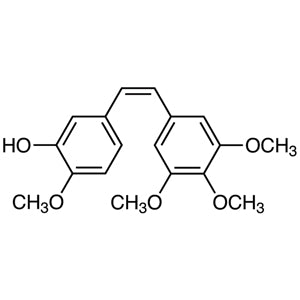
CombretastatinA4 TCI C2520
Regular price Rp 18.946.200,00Regular priceRp 13.264.650,00Sale price Rp 18.946.200,00 -
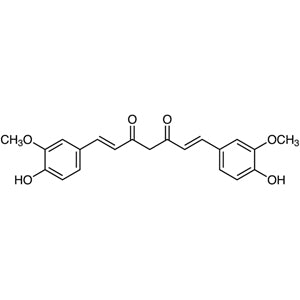
Curcumin(Synthetic) TCI C2302
Regular price From Rp 1.246.350,00Regular priceRp 887.250,00Sale price From Rp 1.246.350,00 -
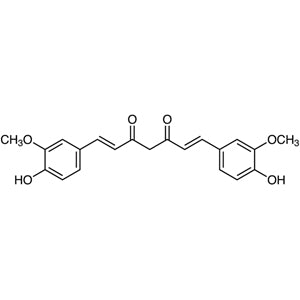
Curcumin(Natural) TCI C0434
Regular price From Rp 637.350,00Regular priceRp 445.200,00Sale price From Rp 637.350,00 -
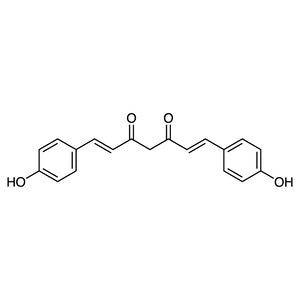
Bisdemethoxycurcumin TCI B6548
Regular price Rp 3.153.150,00Regular priceRp 2.220.750,00Sale price Rp 3.153.150,00 -
Isoliquiritigenin TCI I0822
Regular price From Rp 1.087.800,00Regular priceRp 775.950,00Sale price From Rp 1.087.800,00 -
Icariin TCI I0862
Regular price From Rp 1.881.600,00Regular priceRp 1.331.400,00Sale price From Rp 1.881.600,00 -
Xanthohumol TCI X0068
Regular price Rp 13.302.450,00Regular priceRp 9.317.700,00Sale price Rp 13.302.450,00